New York Walking Tour Overview Detail
This New York walking tour links 10 sights and 50 short video stops narrated by Clarissa, from the ferry to the Statue of Liberty and the memorial pools of Lower Manhattan to the Brooklyn Bridge, the lights of Times Square, the Art Deco towers of Midtown, the galleries of the Met, the lawns of Central Park and the gardens of the High Line. Manhattan is long, so the notes below group the stops into practical days, with timing, transport, etiquette and the free sights worth knowing. For official visitor information, also check New York City Tourism + Conventions, the city’s official tourism organisation.
Best routes around New York using the 50 stops
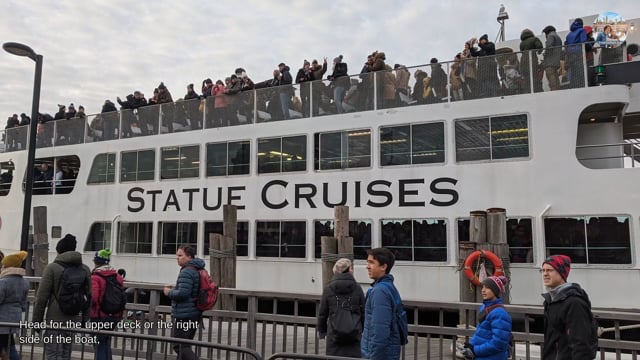
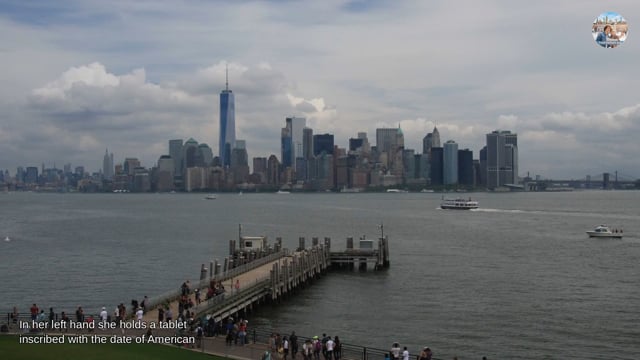
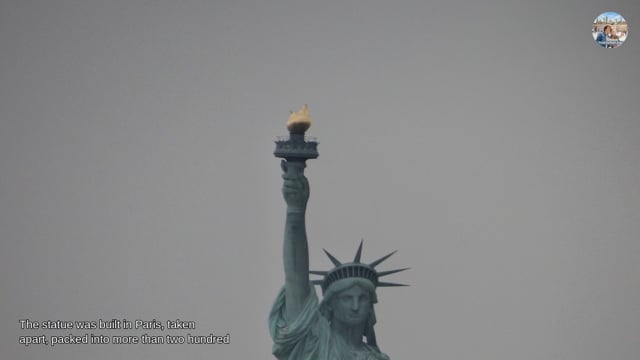
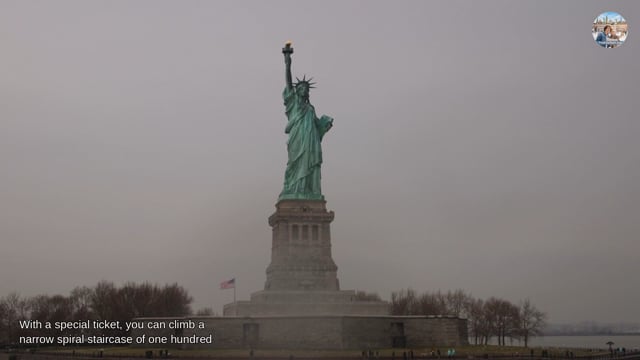
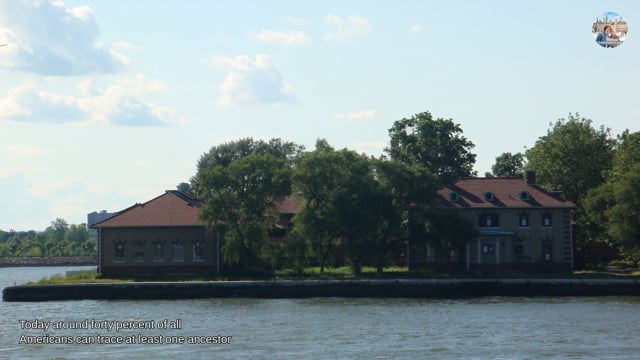
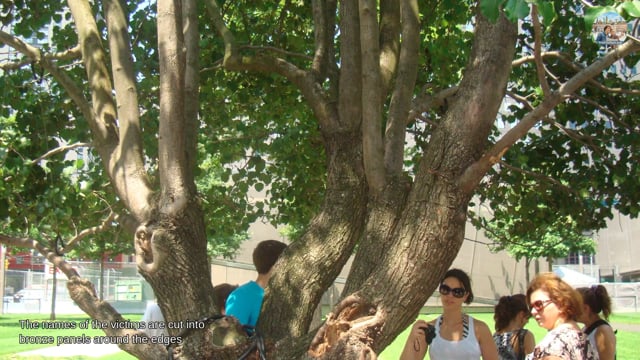
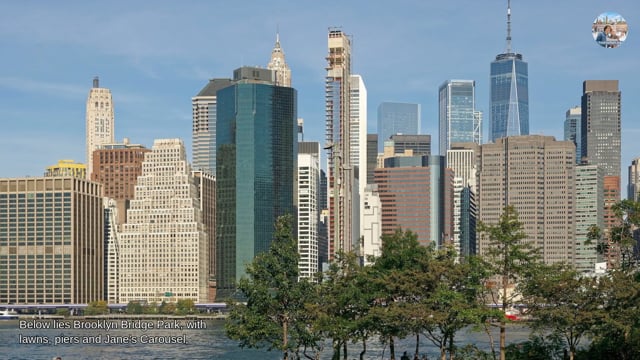
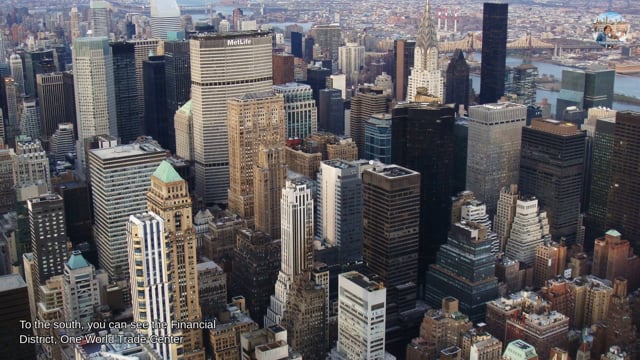
Route 1, the harbour and Lower Manhattan (stops 1 to 3). Take the ferry from Battery Park to Liberty Island and play the videos as the Statue of Liberty, designed by Frederic Auguste Bartholdi and dedicated in 1886, comes into view. Many ferries also stop at Ellis Island, where millions of immigrants first arrived. Back on shore, walk to the National September 11 Memorial, with its two reflecting pools and the Survivor Tree, look up at One World Trade Center, 1,776 feet tall, and pass the Oculus on the way to the Brooklyn Bridge.
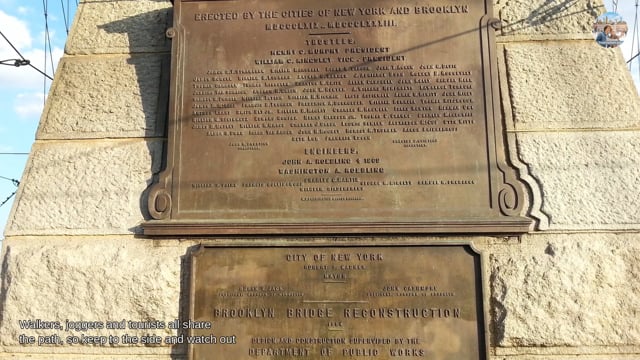
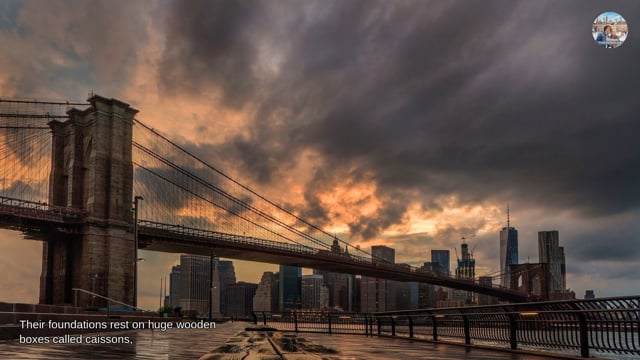
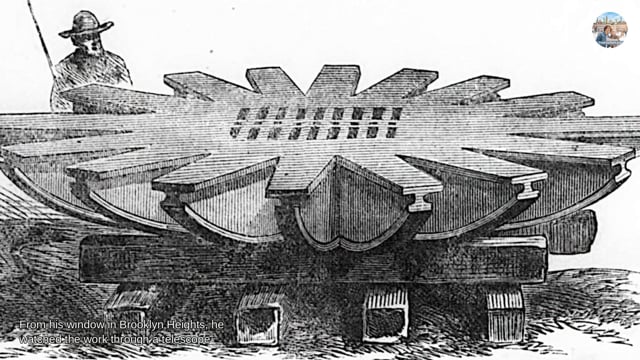
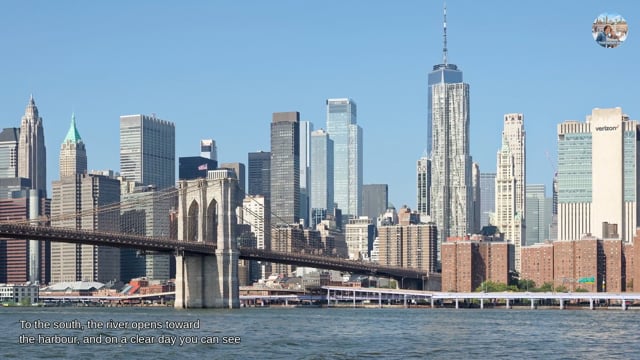
Walk across the Brooklyn Bridge, opened in 1883 as the world’s first steel-wire suspension bridge, on its raised wooden promenade between the Gothic stone towers. The videos tell the story of the Roebling family who built it, and the views of the skyline from the middle are among the best on any New York route. Finish in DUMBO on the Brooklyn side and take the subway back to Manhattan.
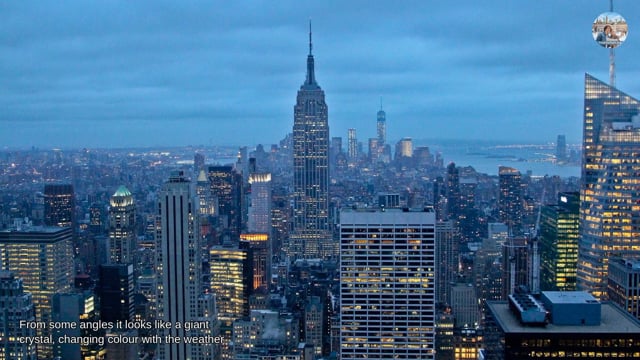
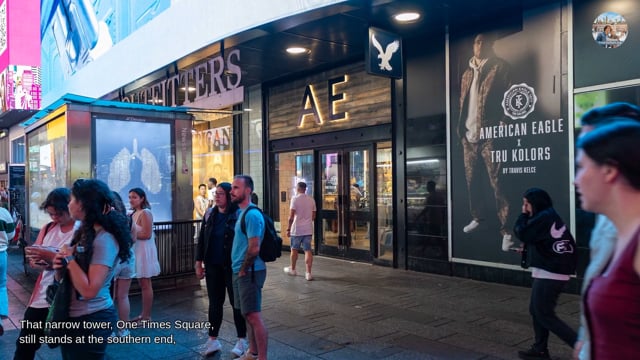
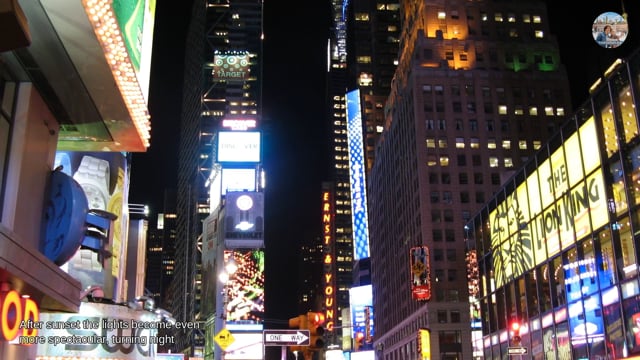
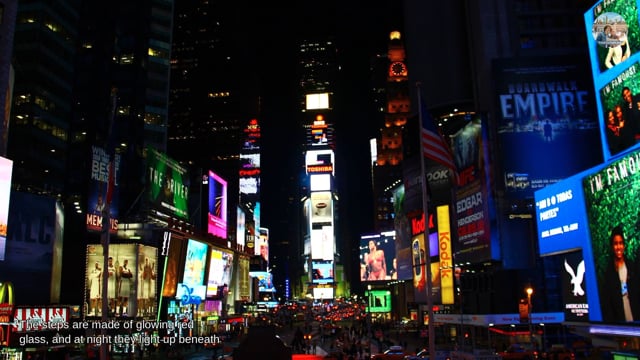
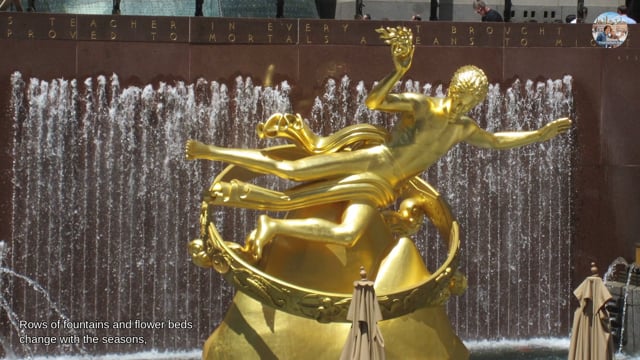
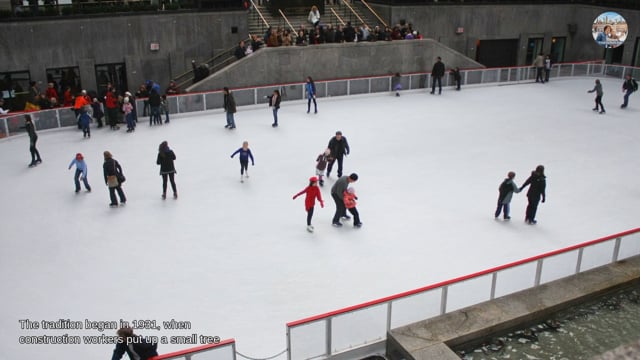
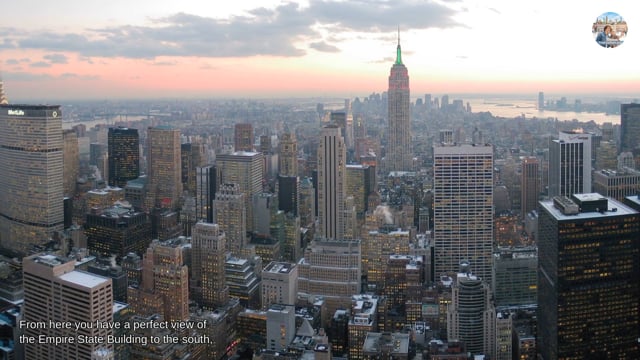
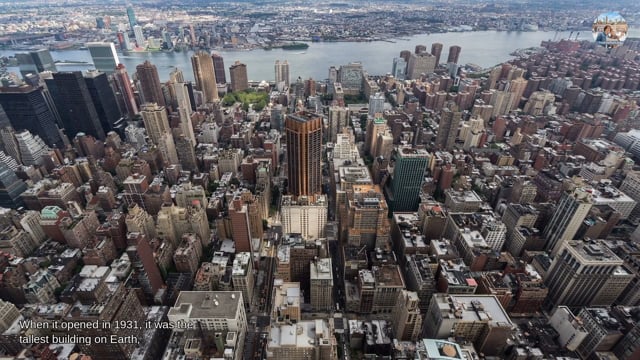
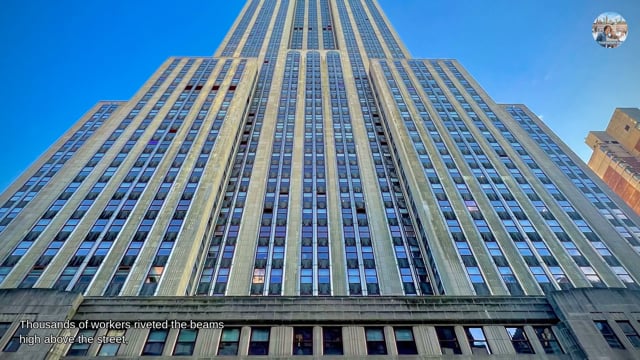
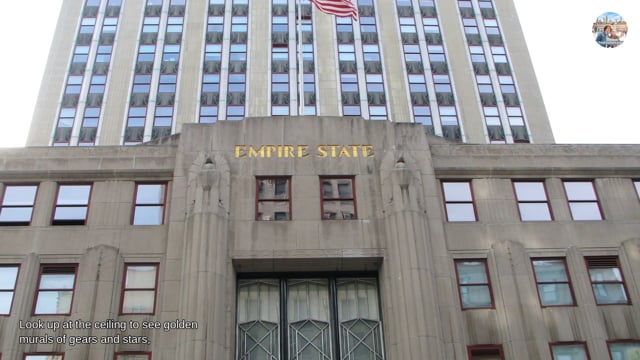
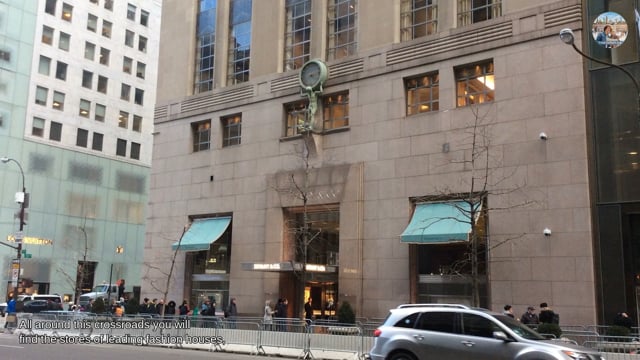
Route 2, Midtown (stops 4 to 7). Start in Times Square, where Broadway meets Seventh Avenue, and climb the red steps above the TKTS booth. Walk to Rockefeller Center, the Art Deco complex of the 1930s with the golden Prometheus statue, the winter rink and the Top of the Rock decks. See the Empire State Building, completed in 1931 in just over a year, with its Art Deco lobby and open-air 86th floor observatory, then stroll Fifth Avenue past St. Patrick’s Cathedral, the department stores and Tiffany to Grand Army Plaza.
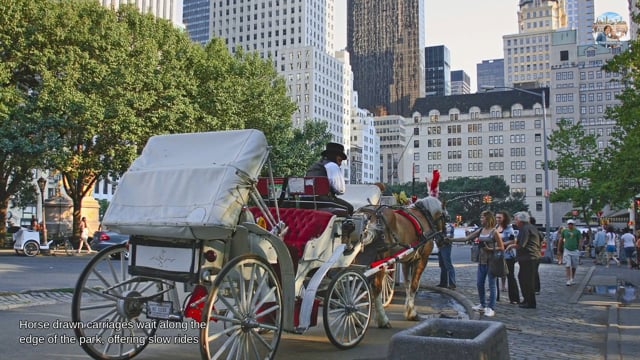
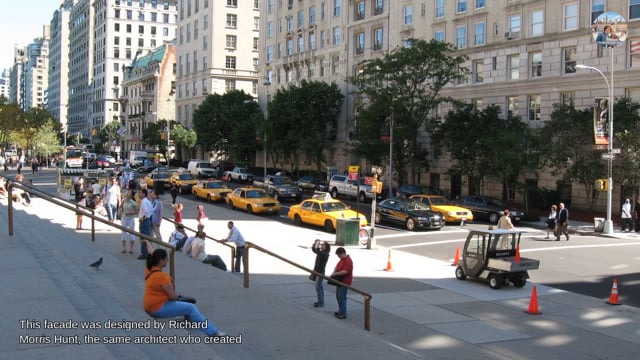
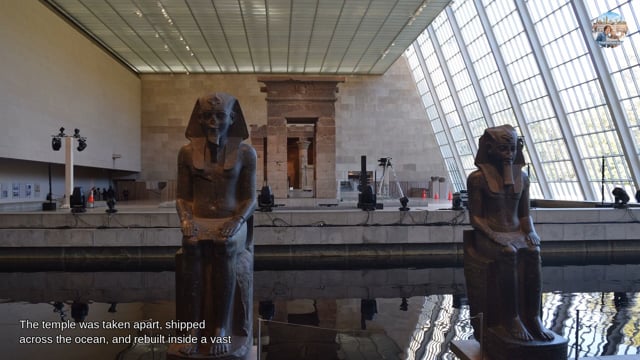
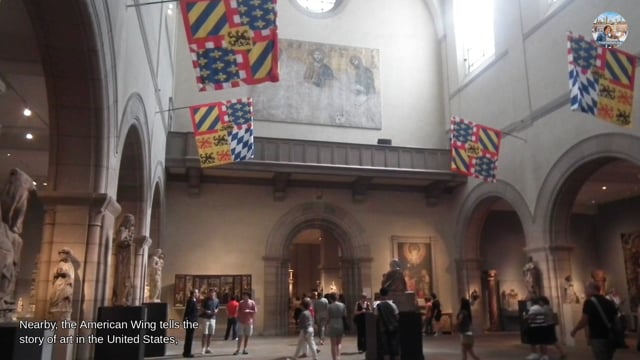
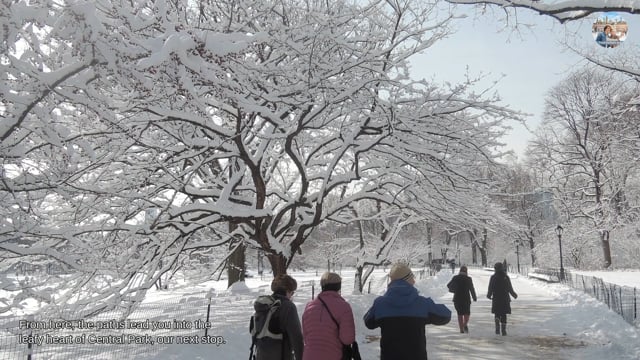
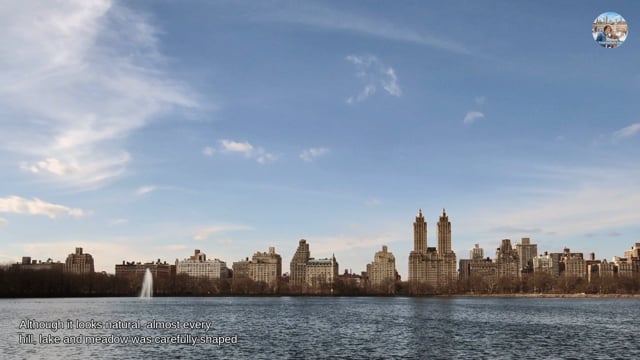
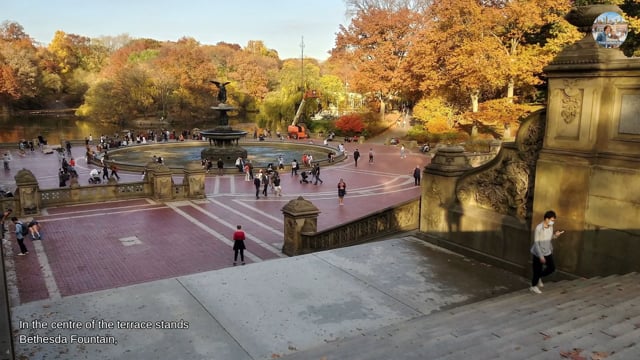
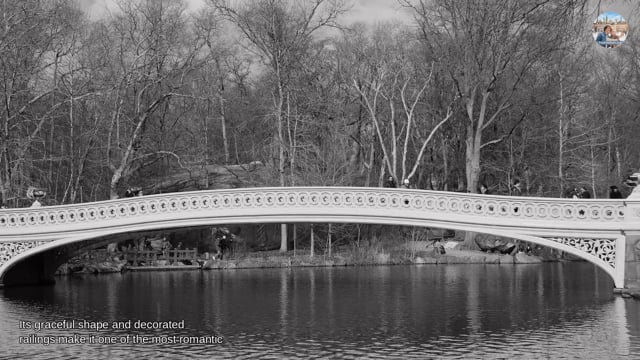
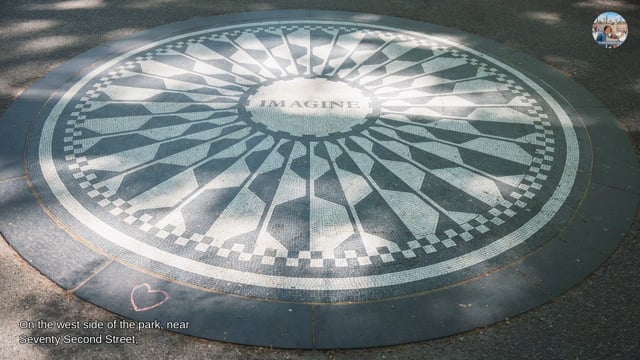
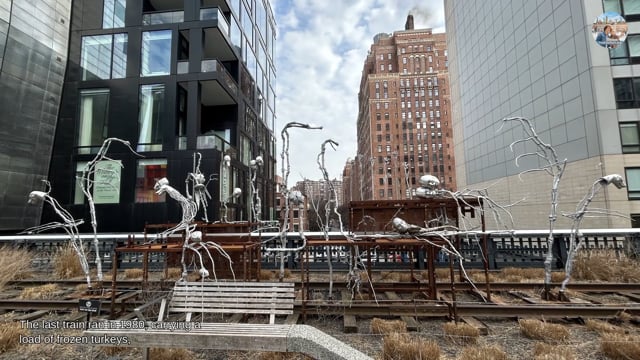
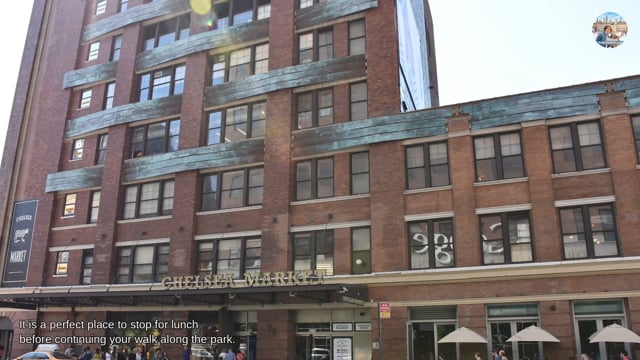
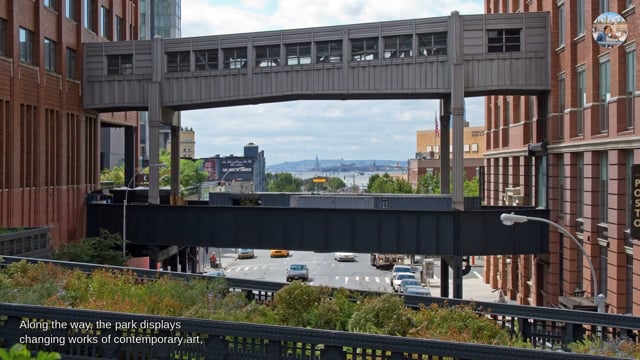
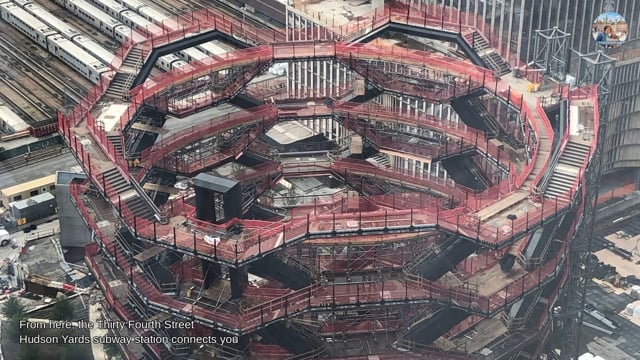
Route 3, art and parks (stops 8 to 10). Visit the Metropolitan Museum of Art, founded in 1870, for the Temple of Dendur, European painting, arms and armour and the American Wing. Walk into Central Park, opened in 1858 and designed by Frederick Law Olmsted and Calvert Vaux, for Bethesda Terrace, the Lake, Bow Bridge, Belvedere Castle and Strawberry Fields. Finish your New York route on the High Line, the elevated park on a disused freight railway, opened in stages from 2009, which runs past Chelsea Market and the Whitney Museum to Hudson Yards.
For photos, the best viewpoints on this New York route are the ferry deck facing Lady Liberty, the middle of the Brooklyn Bridge, the red steps in Times Square at night, the Top of the Rock or the Empire State observatory, and Bow Bridge in Central Park.
With one day, walk Route 2 and Central Park, the core free route New York visitors can do on foot. With three days, add the harbour, the memorial and the bridge, and the Met and the High Line.
Best times and transport for a New York walk
Spring and autumn are the most pleasant seasons for a New York walk, with mild days, blossom in Central Park in spring and bright leaves in autumn. Summer is hot and humid, and winter is cold, sometimes snowy, but brings the Rockefeller Center tree, the rink and the holiday windows on Fifth Avenue. Start early at the Statue of Liberty and the observatories, which are busiest in the middle of the day.
The Statue of Liberty ferries, the observatories, the Met and the 9/11 Memorial Museum each have their own hours and ticket rules, and some require timed tickets booked in advance. Buy Liberty Island tickets only from the official ferry operator. The Brooklyn Bridge is busiest on weekend afternoons. Check each official site before you go.
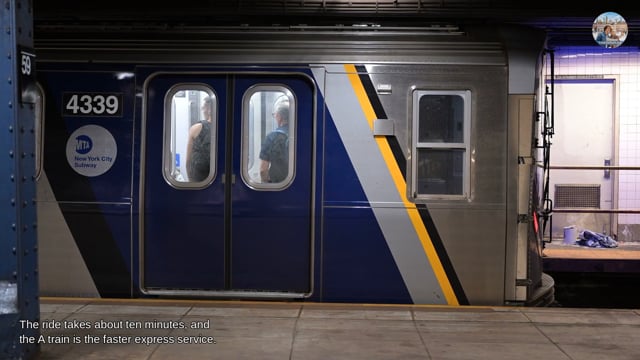
The subway runs around the clock and links every stop on this walk, from South Ferry and the World Trade Center to Times Square, Fifth Avenue and the stations around Central Park. Buses run along the avenues, and you can pay with contactless cards or phones at the fare readers. Check the current fares and payment options with the MTA before you travel. Walking is often the fastest way to get around Midtown.
From the airports, AirTrain links JFK and Newark with rail and subway lines into Manhattan, and buses serve LaGuardia. Every stop on this New York route has its own Map button, so you can change the order to suit the weather or your tickets.
Etiquette, food and safety on the New York route
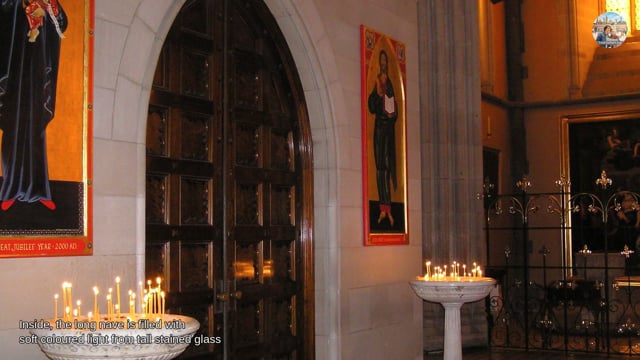
New Yorkers walk fast and expect others to keep moving. Step to the side of the pavement to check your map or take photos, let passengers off the subway before you board, and keep to the walking lane on the Brooklyn Bridge, as the other side is for cyclists. At the 9/11 Memorial and in St. Patrick’s Cathedral, keep your voice low and be respectful.
Food is a big part of any New York walk. Try a slice of pizza, a bagel with cream cheese, a pastrami sandwich, a hot dog from a street cart and a cheesecake, and explore the food halls in Chelsea Market. Tipping is expected in the United States, usually around eighteen to twenty percent in restaurants and bars, and sales tax is added at the till. Tap water is safe and good to drink.
New York is generally safe for visitors, but take normal big-city care with bags in crowded places such as Times Square, the subway and the ferry queues. Ignore costumed characters and street sellers who push for money, and use only official ticket sellers. Keep to busy, well-lit streets late at night, wear comfortable shoes, and carry water in summer.
New York is also a city of neighbourhoods, each with its own character, and the five boroughs reach far beyond Manhattan. If you have extra time, explore Brooklyn beyond DUMBO, or ride a ferry to see the skyline from the water, one of the simplest pleasures in the city. Greenwich Village, SoHo, Chinatown and Harlem are all easy subway rides from the stops on this walk, and each has its own food, music and street life to discover.
Free sights, museums and accessibility in New York
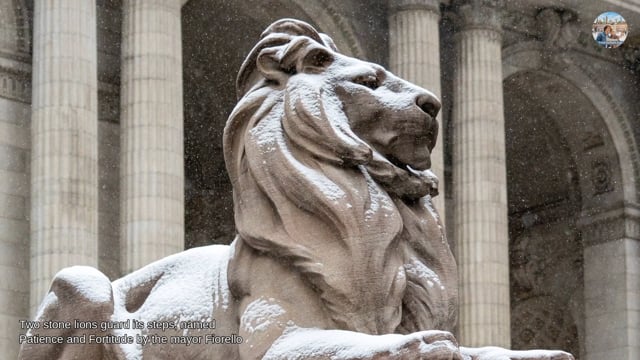
Many sights on this New York walk are free. The 9/11 Memorial pools, the Oculus, the Brooklyn Bridge, Times Square, the Rockefeller Center plaza, Fifth Avenue, St. Patrick’s Cathedral, the New York Public Library, Central Park and the High Line cost nothing to visit. The Staten Island Ferry is free and passes close to the Statue of Liberty. You pay for the Liberty Island ferry, the observatories, the Met and the memorial museum.
Some museums offer reduced or special entry for certain visitors, and children, students and seniors often pay less. If you plan to visit several paid attractions, compare the official city passes with single tickets. Prices and rules change, so check the official sites before your New York route.
Manhattan is mostly flat and its pavements are wide, and many attractions, including the observatories, the Met and the High Line, have lifts. Not all subway stations have lifts, so check the accessible station list before you travel. The Brooklyn Bridge promenade is long and slopes up to the middle, and the Liberty Island ferries and grounds are accessible, though the crown is reached only by stairs.
After this New York route, carry on with more free walks: the London route, the Paris self-guided walk, the Toronto self-guided walk and the Dublin city walk. You can browse every city on the Free City Tours home page.
From Liberty Island to the High Line: the New York route route
This New York route follows the ten stops on the Free City Tours New York page, each with its own map link and five short films, plus a city overview. It begins in the harbour at the Statue of Liberty and ends on the High Line on Manhattan’s West Side.
The stops, in route order, are:
- Statue of Liberty, on Liberty Island (ferry from The Battery)
- One World Observatory, at the World Trade Center
- Brooklyn Bridge
- Times Square
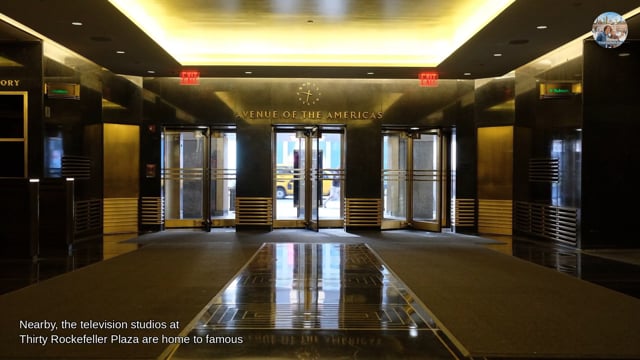
- Rockefeller Center
- Empire State Building
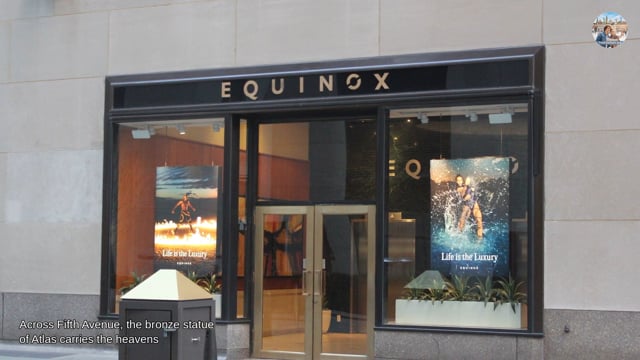
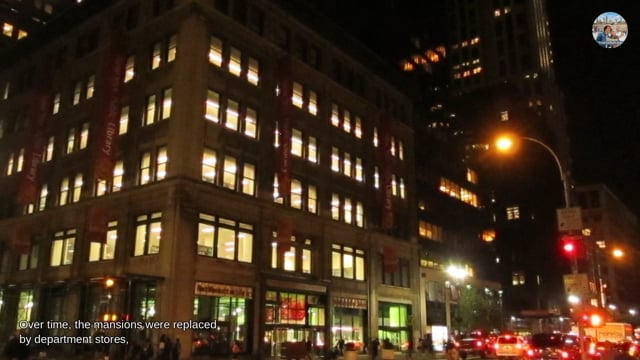
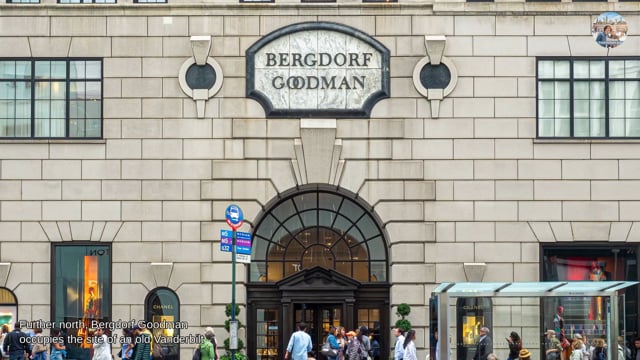
- Fifth Avenue shopping
- The Metropolitan Museum of Art
- Central Park
- High Line Park — the finish
Manhattan is long, so walk the list as three neighbourhoods. Stops 1 to 3 cover the harbour and Lower Manhattan: the boat to Liberty Island, then the World Trade Center and the walk over the Brooklyn Bridge to DUMBO. Stops 4 to 7 are a compact Midtown loop. Stops 8 to 10 pair the Met with Central Park, then head down the West Side to the High Line. All ten stops were open on 12 November 2026, and the route of New York ends on the elevated park above Chelsea.
How far you walk between Battery Park, Midtown and Chelsea
Estimated with pedestrian routing between the stop coordinates on the Free City Tours page (OpenStreetMap data), not counting the ferry ride, time inside sights or queues:
- Lower Manhattan and the bridge (stops 1–3): from The Battery to One World Trade Center, on to the Manhattan end of the Brooklyn Bridge and across to DUMBO is approximately 4.2 km, or about an hour on foot.
- Midtown (stops 4–7): Times Square to Rockefeller Center, the Empire State Building and back up Fifth Avenue is approximately 4 km, or about 55 minutes.
- Museum Mile to the West Side (stops 8–10): the Met to Central Park is about 1 km; continuing on foot to the High Line adds roughly 4.8 km, so many people take the subway for that leg.
Walked end to end without transit, the whole New York route is approximately 22 km and about 5 hours of walking. The longest single leg is the Brooklyn Bridge to Times Square (about 6.5 km), which most visitors ride by subway. These are estimates; plan at least two to three days if you want to go inside the museums and observatories.
Best hours and months to walk Manhattan’s stops
Start this New York route in the morning so the ferry and Liberty Island fit before lunch, and walk the Brooklyn Bridge’s pedestrian promenade, completed in 1883 to John A. Roebling’s design, while the light is still soft over the East River. Save Times Square for after dark, when the screens are at their brightest. The Met stays open until 9 p.m. on Fridays and Saturdays, which makes an evening visit possible; it is closed on Wednesdays. The High Line is open 7 a.m. to 10 p.m. from 1 April to 30 November and 7 a.m. to 8 p.m. from 1 December to 31 March.
Spring and autumn are usually the most comfortable seasons for long walks in New York, with mild weather and colour in Central Park. Summer is often hot and humid, and winter can be cold and snowy, though December brings the Rockefeller Center tree and the holiday windows along Fifth Avenue.
Free and pay-what-you-wish entry on the New York route
Much of this New York route costs nothing: the 9/11 Memorial pools (open daily 8 a.m. to 8 p.m.), the Brooklyn Bridge, Times Square, Fifth Avenue, Central Park and the High Line are all free public spaces. Verified free or reduced entry at the main ticketed stops:
- Statue of Liberty. The National Park Service charges no entrance fee for Liberty Island or Ellis Island, but a Statue City Cruises ferry ticket is required. Statue City Cruises is the only authorised ferry, and the only on-site ticket office is in Castle Clinton in The Battery. Because there is no entrance fee, National Park fee-free days and park passes do not cover the ferry.
- 9/11 Memorial Museum (beside stop 2). The museum is free for the public on Monday evenings from 5:30 to 7 p.m.; Free Admission Monday tickets are released online each Monday from 7 a.m. Eastern Time, first come, first served. On the first Sunday of each month, admission is free for people who live, work or study in the New York area.
- The Metropolitan Museum of Art. There is no general free day. New York State residents, and students from New York, New Jersey and Connecticut, pay what they wish (a minimum of one cent). Children 12 and under enter free. The museum is closed on Wednesdays.
One World Observatory, the Empire State Building and the Rockefeller Center observation deck are ticketed. Buy tickets only from the official operators and check hours before you go.
Official New York sources checked on 12 November 2026
New York walking tour FAQ
Is this New York walking tour really free?
Yes. All 50 video stops on this New York walking tour are free to watch, and the 9/11 Memorial pools, the Brooklyn Bridge, Times Square, Fifth Avenue, Central Park and the High Line are free to visit. You only pay for the Liberty ferry, the observatories and museums. It is a genuine free walking tour New York visitors can follow at their own pace.
Where does the New York walking tour start?
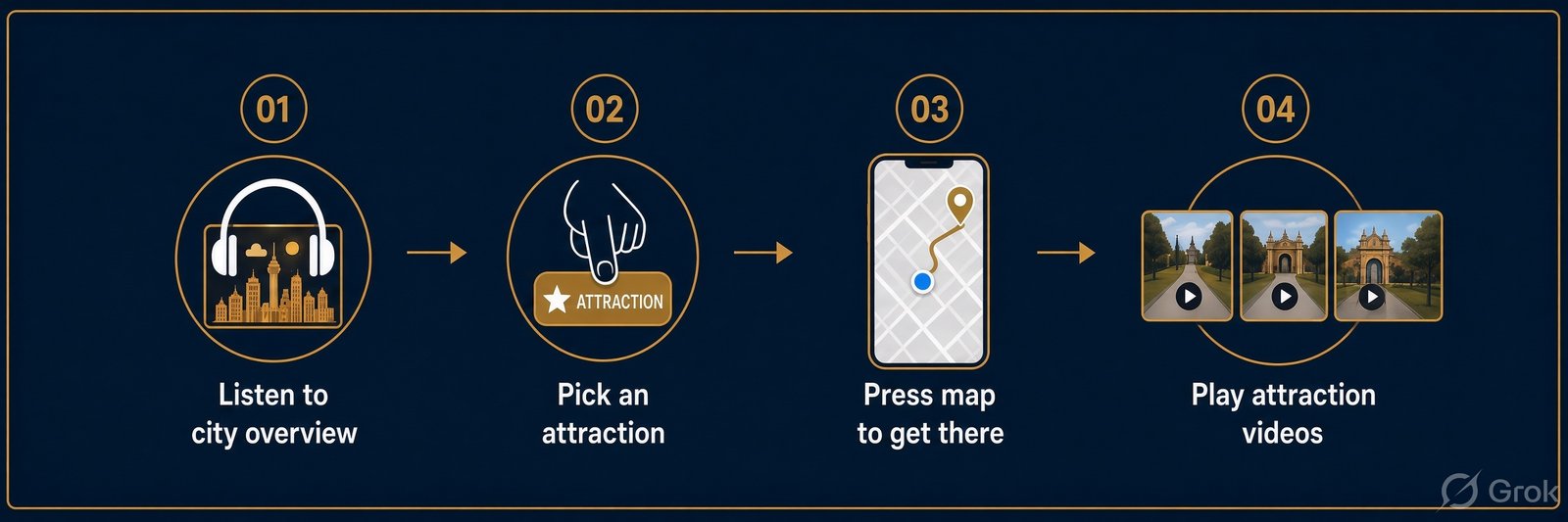
It starts at Battery Park with the ferry to the Statue of Liberty, with The Ferry from Battery Park video. You can join at any stop, because each one has its own Map button and five short videos.
Is the New York walking tour suitable for children and wheelchair users?
Yes. Children usually love the ferry, the observatories, the lights of Times Square and the playgrounds of Central Park. Manhattan is mostly flat and most big attractions have lifts, though not every subway station is accessible.
Do I need an app or mobile data for the New York walking tour?
You don’t need an app. Open this page in your phone’s browser and play the videos as you go. The videos stream, so use mobile data or Wi-Fi; free Wi-Fi is available in many parks, libraries and subway stations.
Do I need a ticket to visit the Statue of Liberty?
You need a Statue City Cruises ferry ticket, because the ferry is the only way onto Liberty Island. The National Park Service itself charges no entrance fee. Buy from Statue City Cruises online or at its ticket office in Castle Clinton, and avoid street sellers near The Battery.
How long is the walk from the World Trade Center over the Brooklyn Bridge?
From One World Trade Center to the Manhattan end of the bridge and across to DUMBO is roughly 3 km, or about 40 minutes of walking, as an estimate from pedestrian routing. Allow extra time for photos in the middle of the bridge.
When is the 9/11 Memorial Museum free?
On Monday evenings from 5:30 to 7 p.m., with free tickets released online each Monday from 7 a.m. Eastern Time. The outdoor memorial pools are free every day from 8 a.m. to 8 p.m.
Which day is the Met closed, and who can pay what they wish?
The Met Fifth Avenue is closed on Wednesdays. New York State residents and students from New York, New Jersey and Connecticut can pay what they wish; children 12 and under are free.
Can I finish the New York walking tour in one day?
Only in part. The full route is about 22 km on foot plus a ferry ride, so most visitors split it over two or three days. In a single day, the Midtown loop (stops 4 to 7) with the Met and Central Park is a realistic plan.