Rhodes Walking Tour: 50 Free Video Stops

Free City ToursRhodes walking tour · freecitytours.org
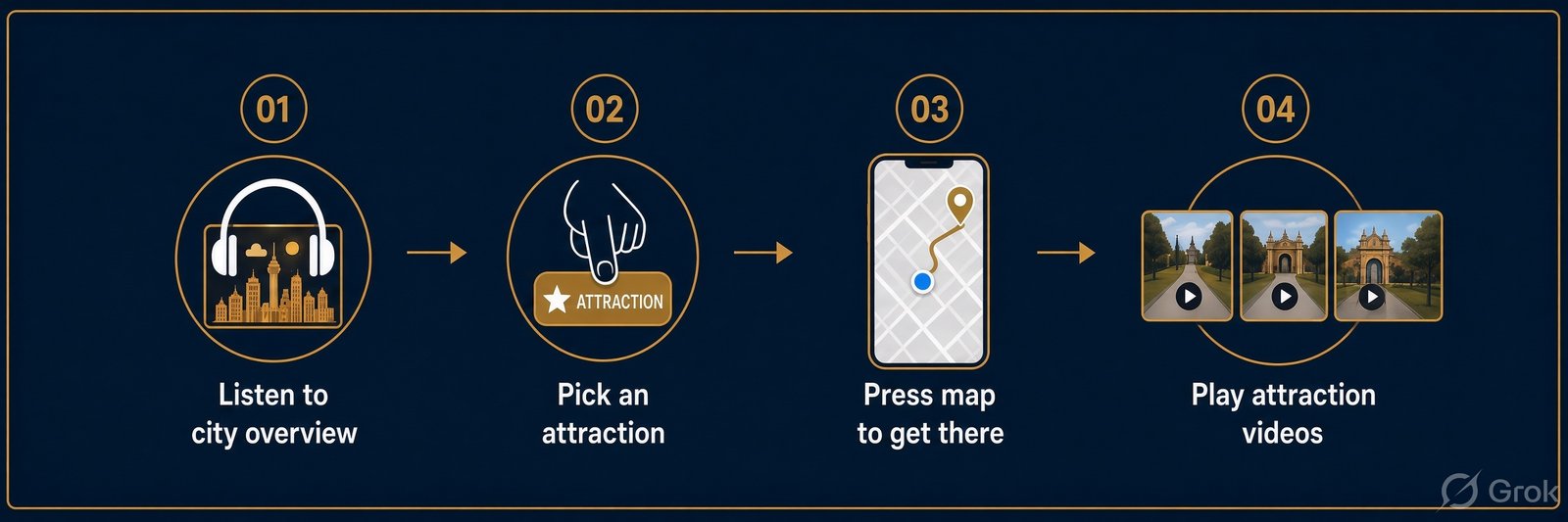
How to tour Rhodes
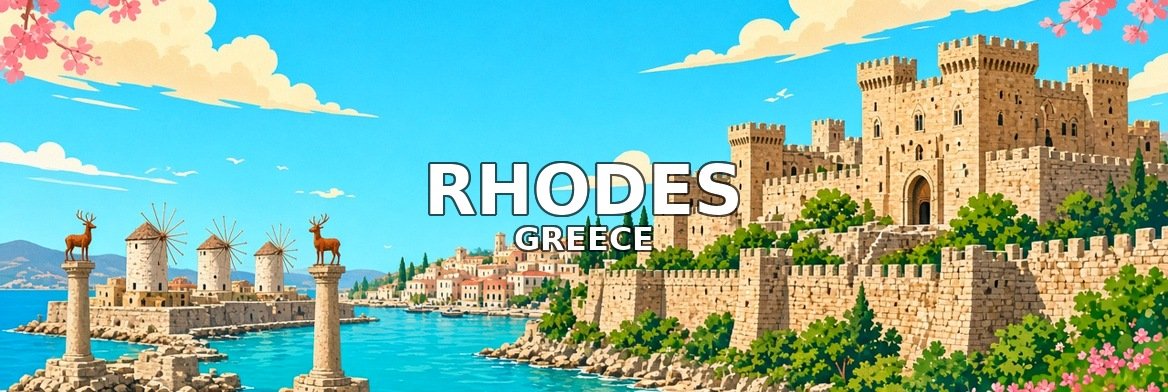
Rhodes, the largest of the Dodecanese islands, lies in the southeastern Aegean close to the coast of Turkey. Its capital was founded in 408 BC, was home to the Colossus, one of the Seven Wonders of the Ancient World, and from 1309 to 1522 was the stronghold of the Knights of St John, whose walled Old Town is now a UNESCO World Heritage Site.
This tour starts inside the medieval walls of the Old Town and the Palace of the Grand Master, travels down the island to the Acropolis of Lindos, returns to the city beaches and Mandraki Harbour, walks the Street of the Knights, then heads out to Seven Springs, Prasonisi and ancient Kameiros before ending at the Rhodes Aquarium. Each stop has five short films to guide you through it.
1. Rhodes walking tour: Old Town of Rhodes
Medieval city · start here
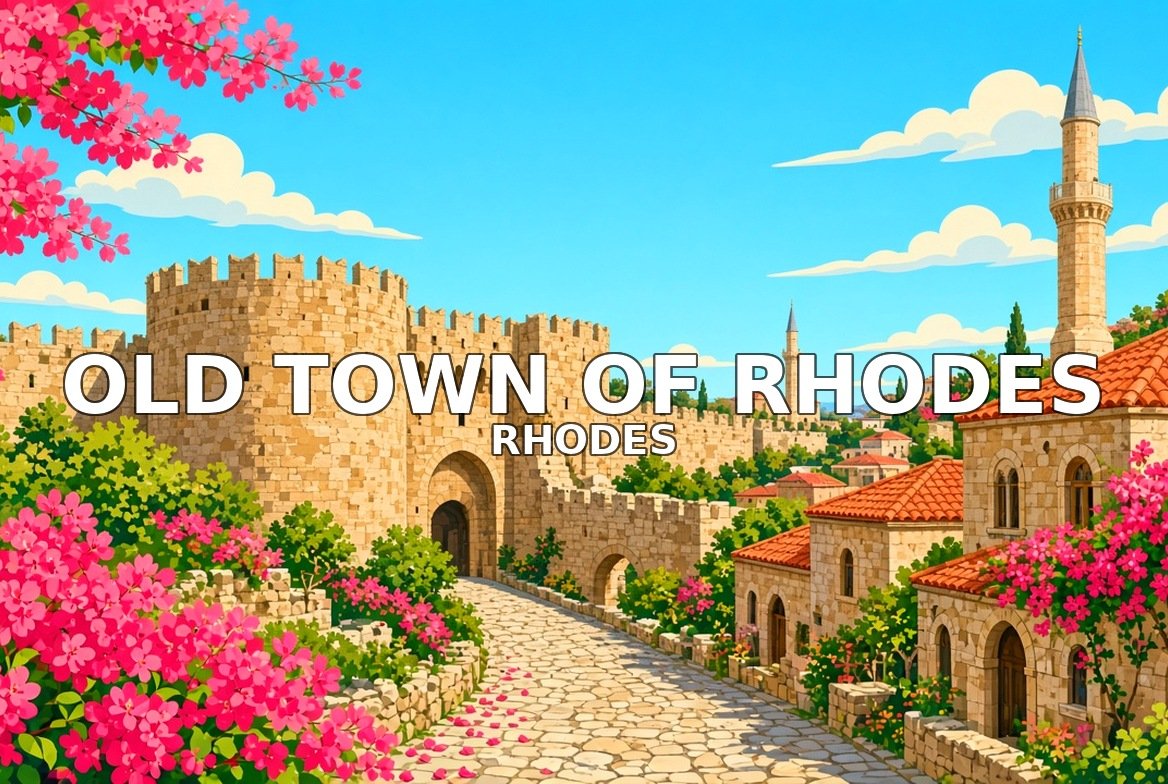
On this Rhodes walking tour, the Old Town of Rhodes is one of the best-preserved medieval towns in Europe. Behind its massive gates lie the Sokratous Street bazaar, the old Jewish Quarter and a ring of walls and dry moat built by the Knights of St John.
Walk this order. Gates of the Medieval City → Sokratous Street Bazaar → The Jewish Quarter → Walls and Moat → Exit Toward the Palace.
03 · Tour · videos inside this sight

Gates of the Medieval City

Sokratous Street Bazaar

The Jewish Quarter

Walls and Moat

Exit Toward the Palace
2. Palace of the Grand Master
Old Town · knights’ fortress
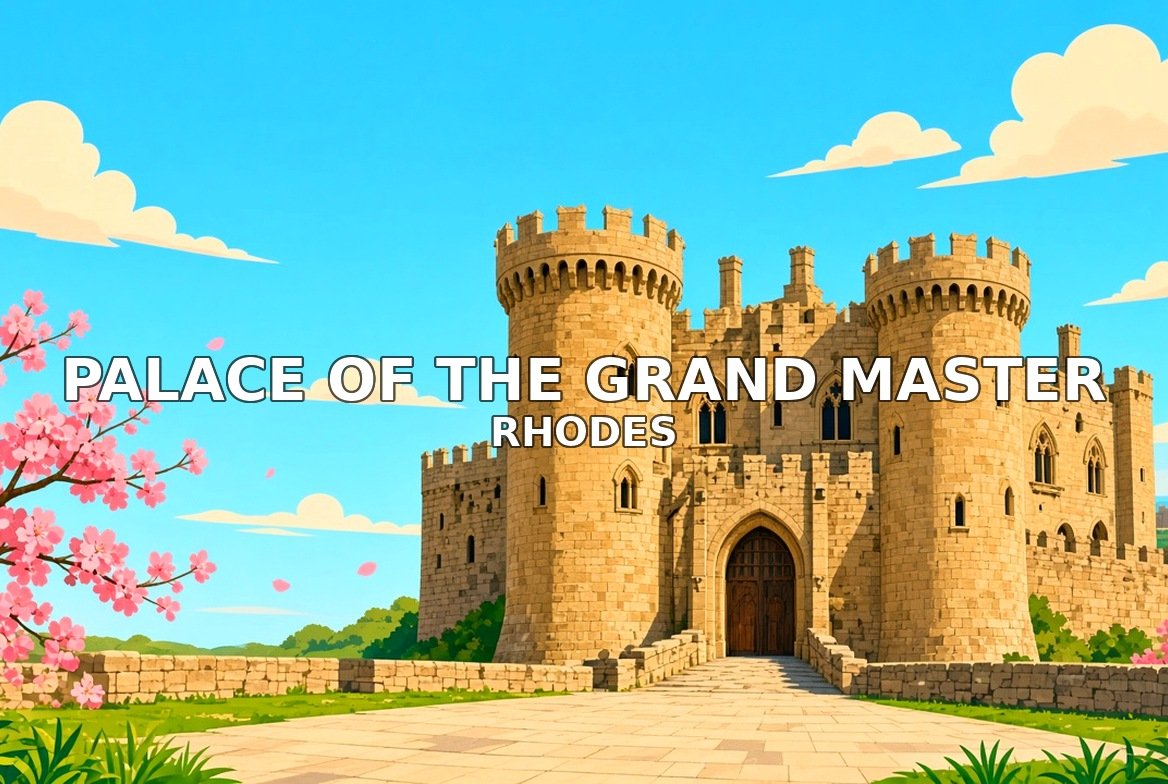
Along this Rhodes walking tour, the Palace of the Grand Master was the seat of the Knights of St John. Destroyed by an explosion in 1856, it was rebuilt by the Italians in the 1930s and now holds a grand courtyard, mosaic floors brought from Kos and halls of antiquities.
Walk this order. Fortress of the Knights → The Grand Courtyard → Halls and Mosaics → The Italian Rebuilding → Exit Toward Lindos.
03 · Tour · videos inside this sight

Fortress of the Knights

The Grand Courtyard

Halls and Mosaics

The Italian Rebuilding

Exit Toward Lindos
3. Acropolis of Lindos
Lindos · clifftop acropolis
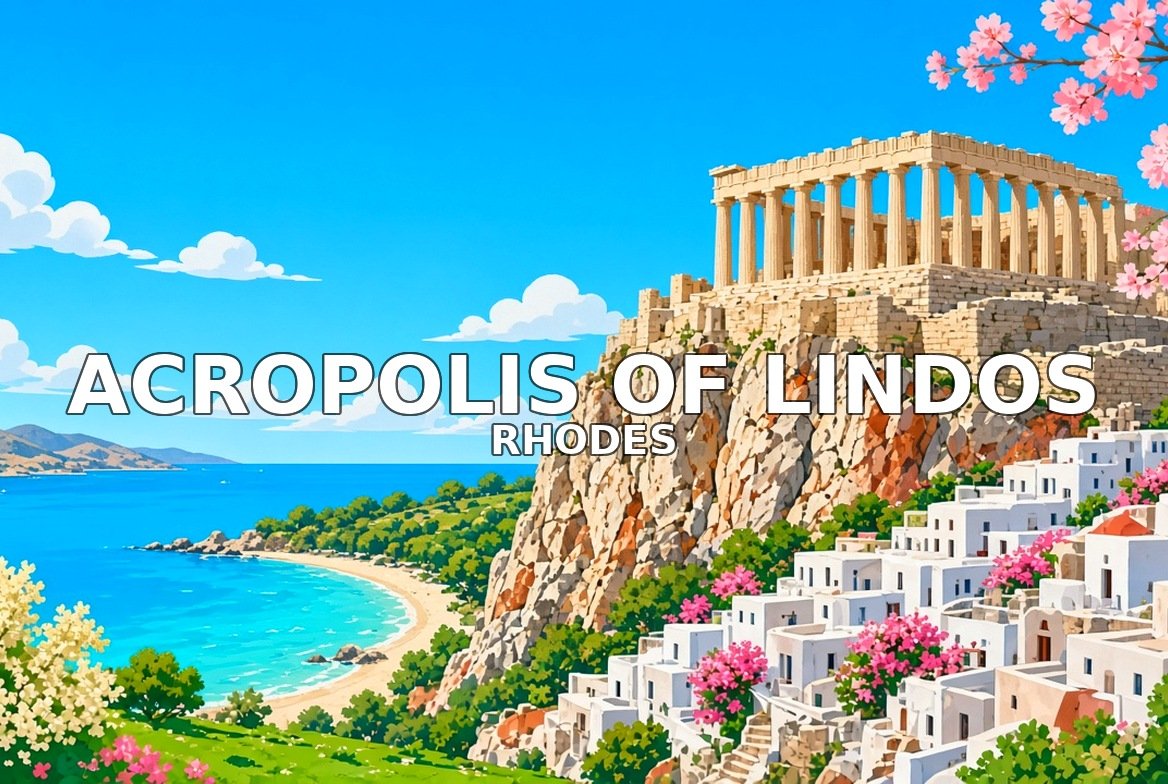
On this Rhodes walking tour, the Acropolis of Lindos rises above a white village on the east coast. A steep path climbs to the Doric Temple of Athena Lindia and a knights’ castle, with views down to the sea and the small round harbour of Saint Paul’s Bay.
Walk this order. Lindos Village → Climb to the Acropolis → Temple of Athena Lindia → Saint Paul’s Bay → Exit Toward Elli Beach.
03 · Tour · videos inside this sight

Lindos Village

Climb to the Acropolis

Temple of Athena Lindia

Saint Paul’s Bay

Exit Toward Elli Beach
4. Elli Beach
New Town · city beach
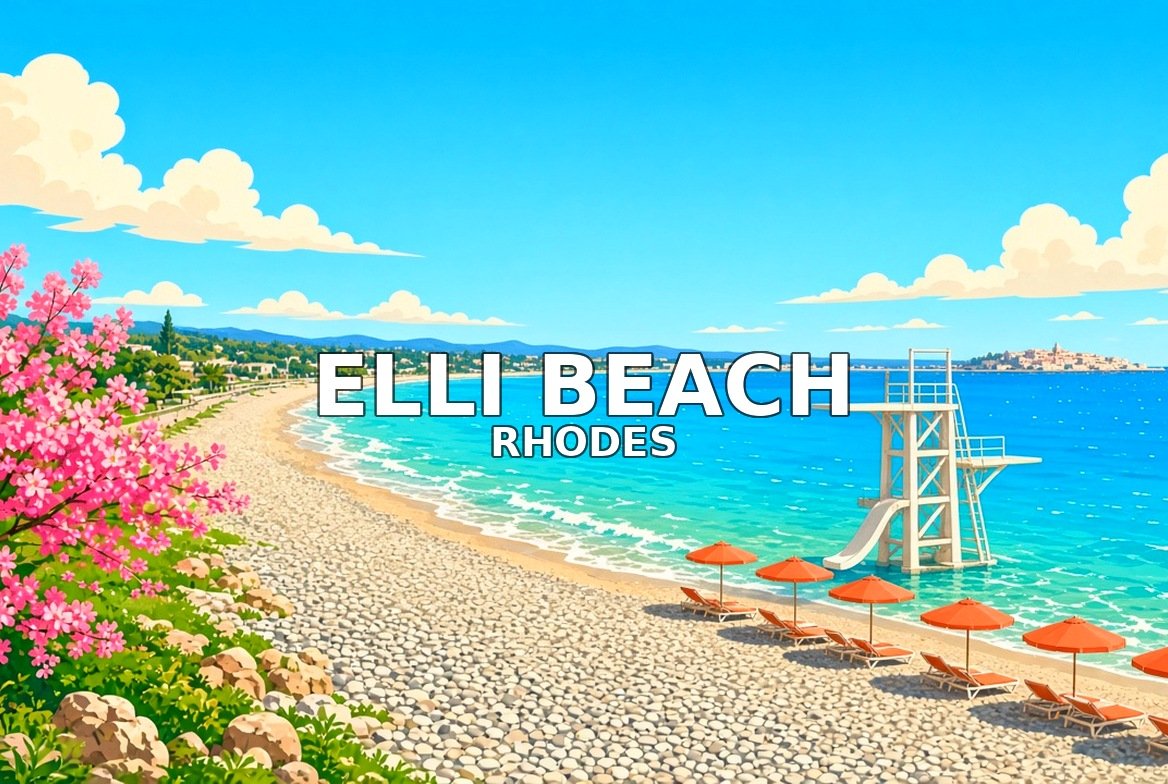
Along this Rhodes walking tour, Elli Beach is the city beach of Rhodes, on the northern tip of the New Town. It is known for its old diving platform out in the water and the grand Italian-era Albergo delle Rose, now a casino, just behind the sand.
Walk this order. The City Beach → The Diving Platform → Grand Albergo delle Rose → The Northern Cape → Exit Toward Mandraki.
03 · Tour · videos inside this sight

The City Beach

The Diving Platform

Grand Albergo delle Rose

The Northern Cape

Exit Toward Mandraki
5. Mandraki Harbour
Harbour · deer and windmills
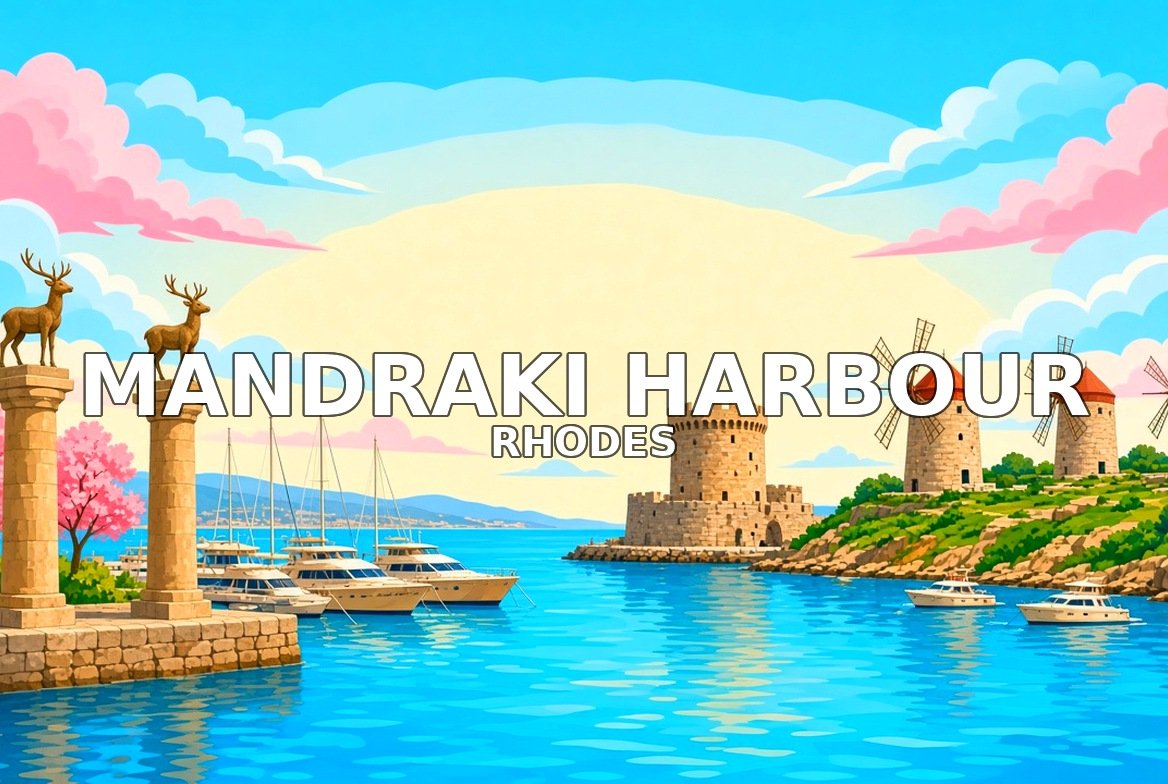
On this Rhodes walking tour, Mandraki Harbour is the ancient harbour of Rhodes, where legend places the Colossus. Two columns topped with bronze deer guard the entrance today, and the breakwater carries three medieval windmills and the Fort of St Nicholas.
Walk this order. The Ancient Harbour → The Colossus of Rhodes → The Three Windmills → Harbour Life → Exit Through the Liberty Gate.
03 · Tour · videos inside this sight

The Ancient Harbour

The Colossus of Rhodes

The Three Windmills

Harbour Life

Exit Through the Liberty Gate
6. Street of the Knights
Old Town · inns of the knights
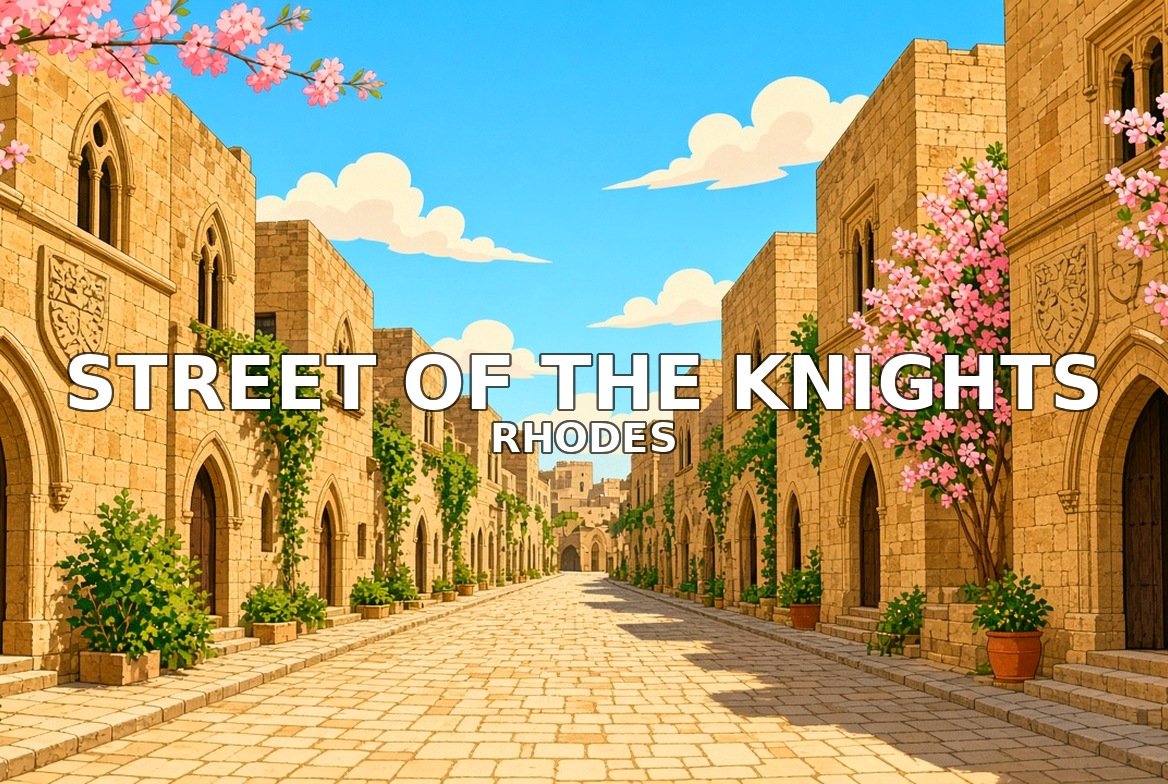
Along this Rhodes walking tour, the Street of the Knights runs from the Hospital of the Knights up to the Palace. Along it stand the inns of the knights’ national “tongues”, including the ornate Inn of France, restored by the Italians in the early 20th century.
Walk this order. Hospital of the Knights → Inns of the Tongues → Inn of France → Restoration by the Italians → Exit Toward Seven Springs.
03 · Tour · videos inside this sight

Hospital of the Knights

Inns of the Tongues

Inn of France

Restoration by the Italians

Exit Toward Seven Springs
7. Seven Springs
Inland · springs and tunnel
On this Rhodes walking tour, Seven Springs is a shaded valley in the hills of central Rhodes. Its springs feed a narrow tunnel you can wade through to a small lake and waterfall, with peacocks wandering around the taverna among the plane trees.
Walk this order. The Green Valley → The Dark Tunnel → Lake and Waterfall → Peacocks and Taverna → Exit Toward Prasonisi.

03 · Tour · videos inside this sight

The Green Valley

The Dark Tunnel

Lake and Waterfall

Peacocks and Taverna

Exit Toward Prasonisi
8. Prasonisi Beach
Southern tip · two seas
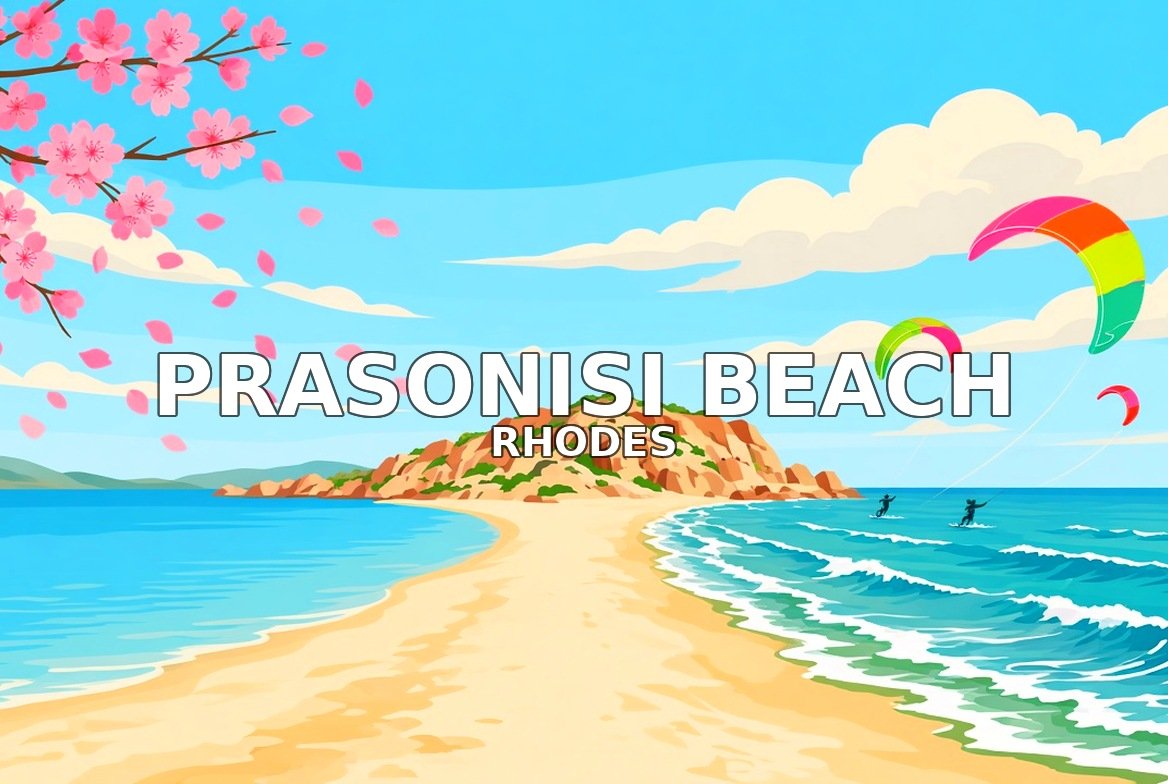
Along this Rhodes walking tour, Prasonisi is the southern tip of Rhodes, where a sandbar joins a small islet to the island. On windy days the Aegean and the Mediterranean meet on either side of it, which makes it one of Europe’s best spots for windsurfing and kitesurfing.
Walk this order. The Sandbar → Between Two Seas → Wind and Surf → The Lighthouse Islet → Exit Toward Kameiros.
03 · Tour · videos inside this sight

The Sandbar

Between Two Seas

Wind and Surf

The Lighthouse Islet

Exit Toward Kameiros
9. Kameiros Ancient Ruins
West coast · Dorian city
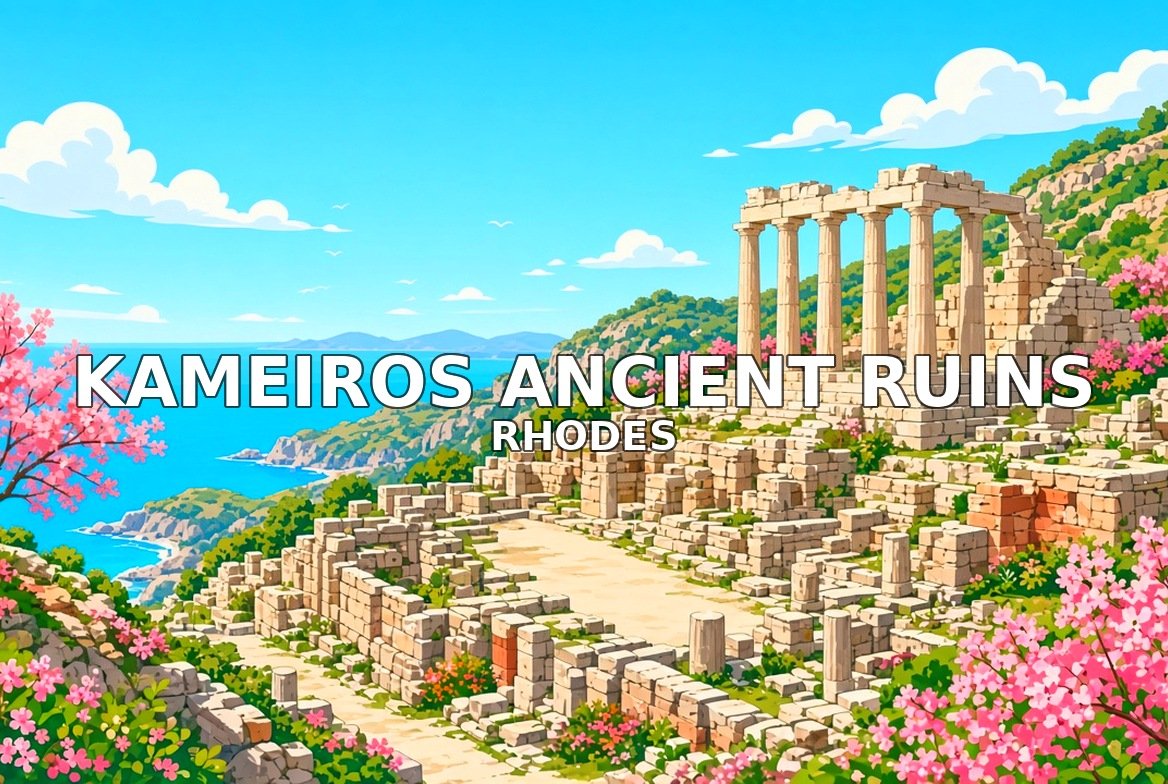
On this Rhodes walking tour, Kameiros was one of the three ancient Dorian cities of Rhodes. Its ruins climb a hillside above the west coast, from the temple and square up the main street to the acropolis and the long stoa at the top.
Walk this order. The Dorian City → Temple and Square → The Main Street → The Acropolis and Stoa → Exit Toward the Aquarium.
03 · Tour · videos inside this sight

The Dorian City

Temple and Square

The Main Street

The Acropolis and Stoa

Exit Toward the Aquarium
10. Rhodes Aquarium
Northern tip · end of the tour
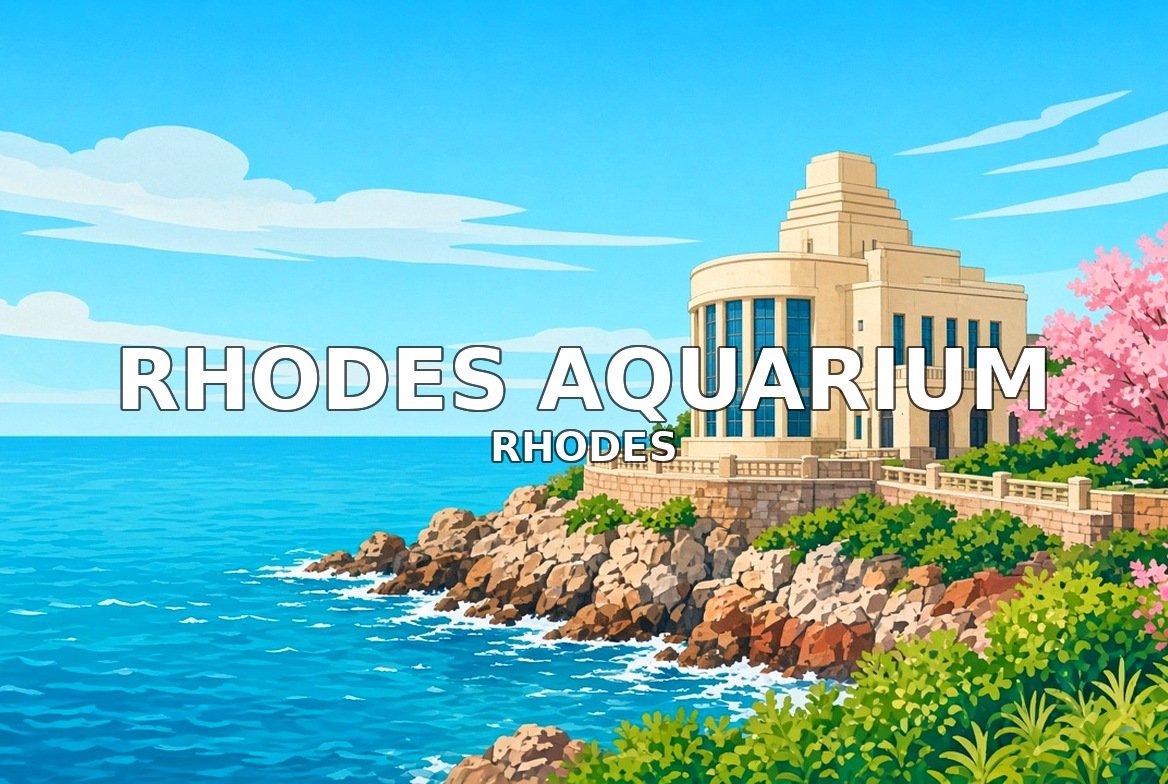
Along this Rhodes walking tour, the Rhodes Aquarium stands at the northern tip of the island in an Art Deco building from the 1930s. Its underwater-cave displays, rescued sea turtles and Museum of the Sea make a fitting last stop and farewell to Rhodes.
Walk this order. The Art Deco Station → The Underwater Cave → Rescued Sea Turtles → Museum of the Sea → Farewell to Rhodes.
03 · Tour · videos inside this sight

The Art Deco Station

The Underwater Cave

Rescued Sea Turtles

Museum of the Sea

Farewell to Rhodes