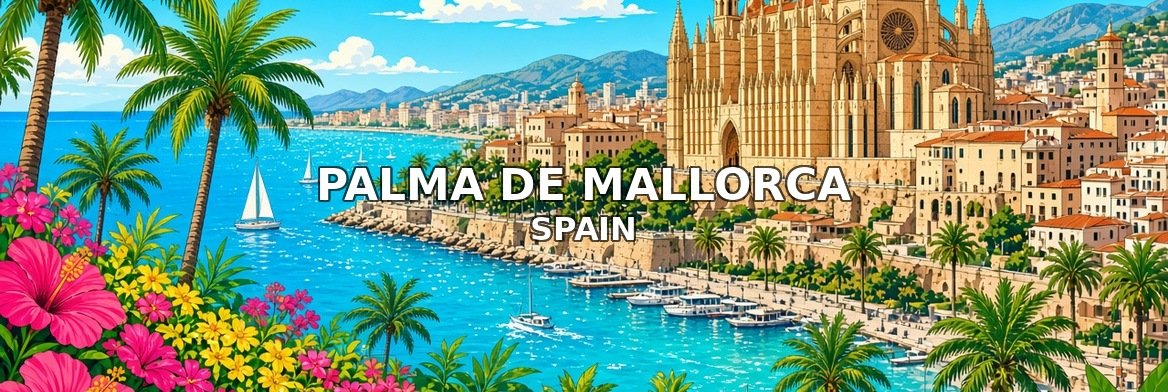
Palma de Mallorca Walking Tour: 50 Free Video Stops
Free City ToursPalma de Mallorca walking tour · freecitytours.org
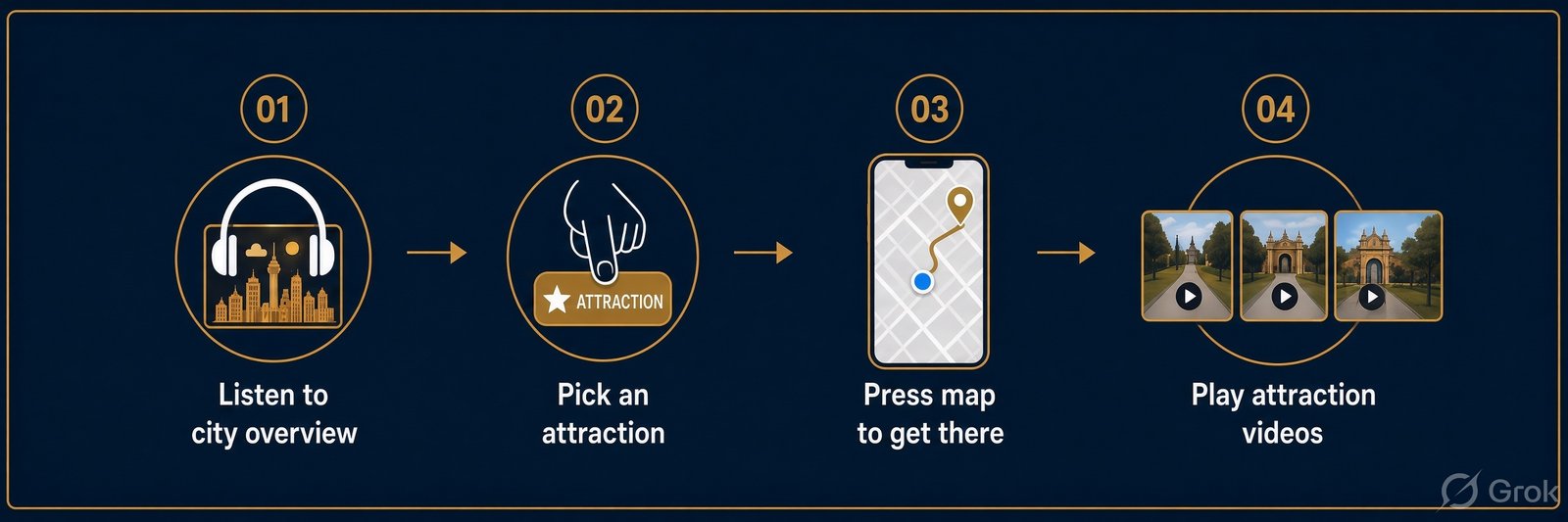
How to tour Palma de Mallorca
Palma de Mallorca, capital of the Balearic Islands, curves around a wide bay on the south coast of Mallorca. Founded by the Romans, ruled for centuries by the Moors and conquered by King James I of Aragon in 1229, it is crowned by its great Gothic cathedral, La Seu, rising over the sea.
This tour starts at the cathedral and the Almudaina Palace, climbs to Bellver Castle, explores the Old Town, Es Baluard, the Olivar market and the Passeig des Born, visits the Miró Foundation and the Playa de Palma, and ends aboard the vintage train to Sóller. Each stop has five short films to guide you through it.
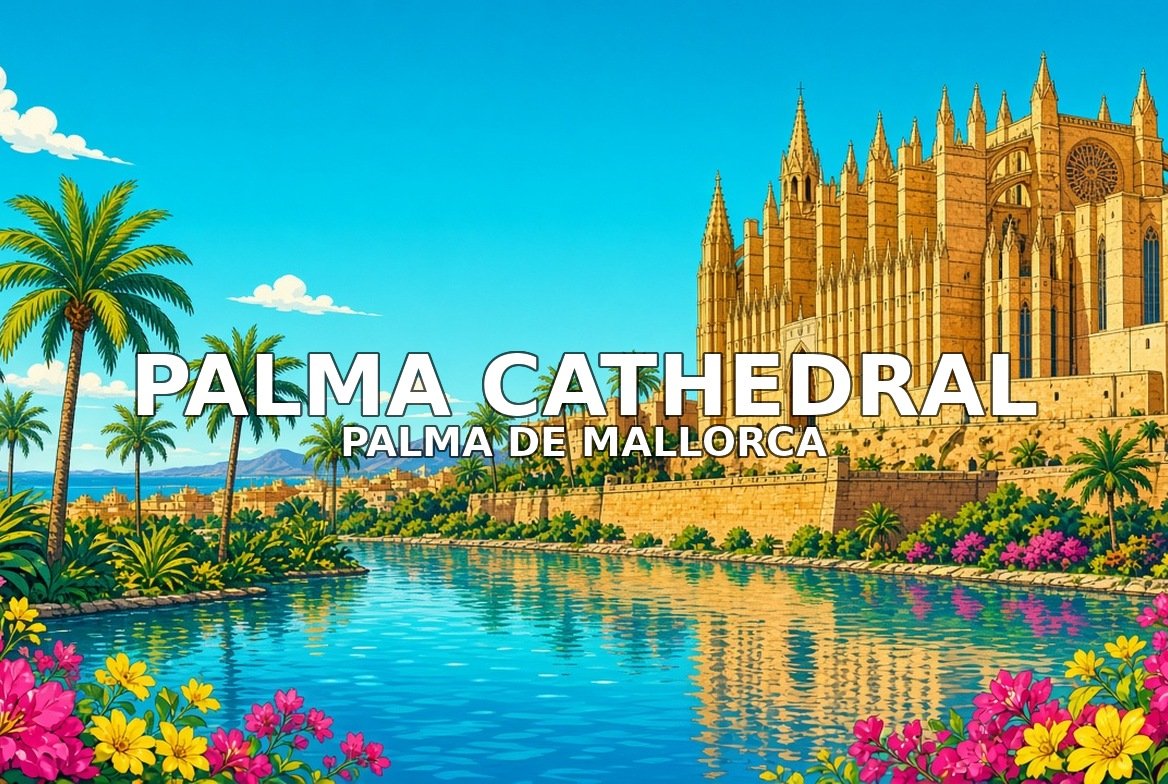
1. Palma de Mallorca walking tour: Palma Cathedral
Seafront · start here
Palma Cathedral, La Seu, was begun after the Christian conquest of 1229, on the site of the city’s main mosque. Its Gothic nave is one of the tallest in Europe, its great rose window floods the interior with colour, and Antoni Gaudí redesigned the sanctuary in the early 20th century.
Walk this order. Seafront Facade → Portal del Mirador → Nave and Rose Windows → Gaudi Canopy and Barcelo Chapel → Exit Toward Bellver Castle.
03 · Tour · videos inside this sight

Seafront Facade

Portal del Mirador

Nave and Rose Windows

Gaudi Canopy and Barcelo Chapel

Exit Toward Bellver Castle
2. Palma de Mallorca walking tour: Bellver Castle
Hill above the bay · round castle
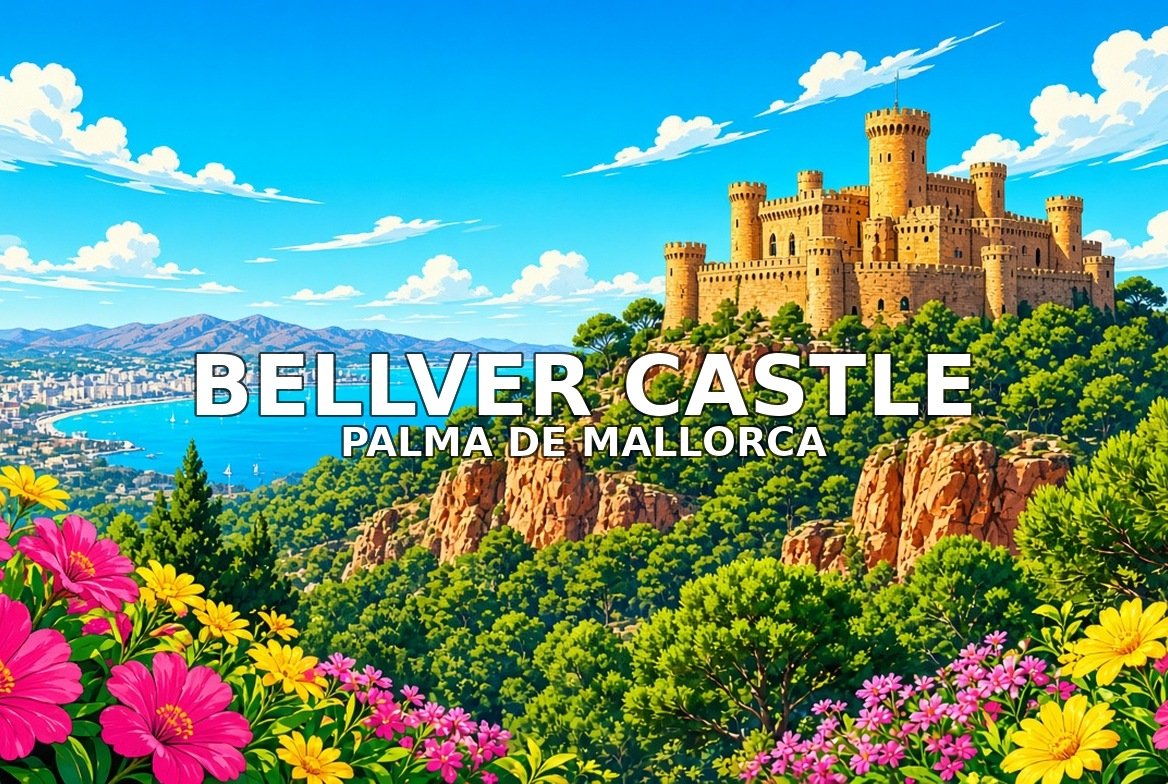
Bellver Castle, built between 1300 and 1311 for King James II of Mallorca, is one of the few circular castles in Europe. From its hilltop above the bay, the roof terrace gives sweeping views over Palma, the port and the mountains.
Walk this order. Pine Forest Approach → Moat and Keep → Circular Courtyard → City History Museum → Exit Toward Almudaina Palace.
03 · Tour · videos inside this sight

Pine Forest Approach

Moat and Keep

Circular Courtyard

City History Museum

Exit Toward Almudaina Palace
3. Palma de Mallorca walking tour: Almudaina Palace
Beside the cathedral · royal palace
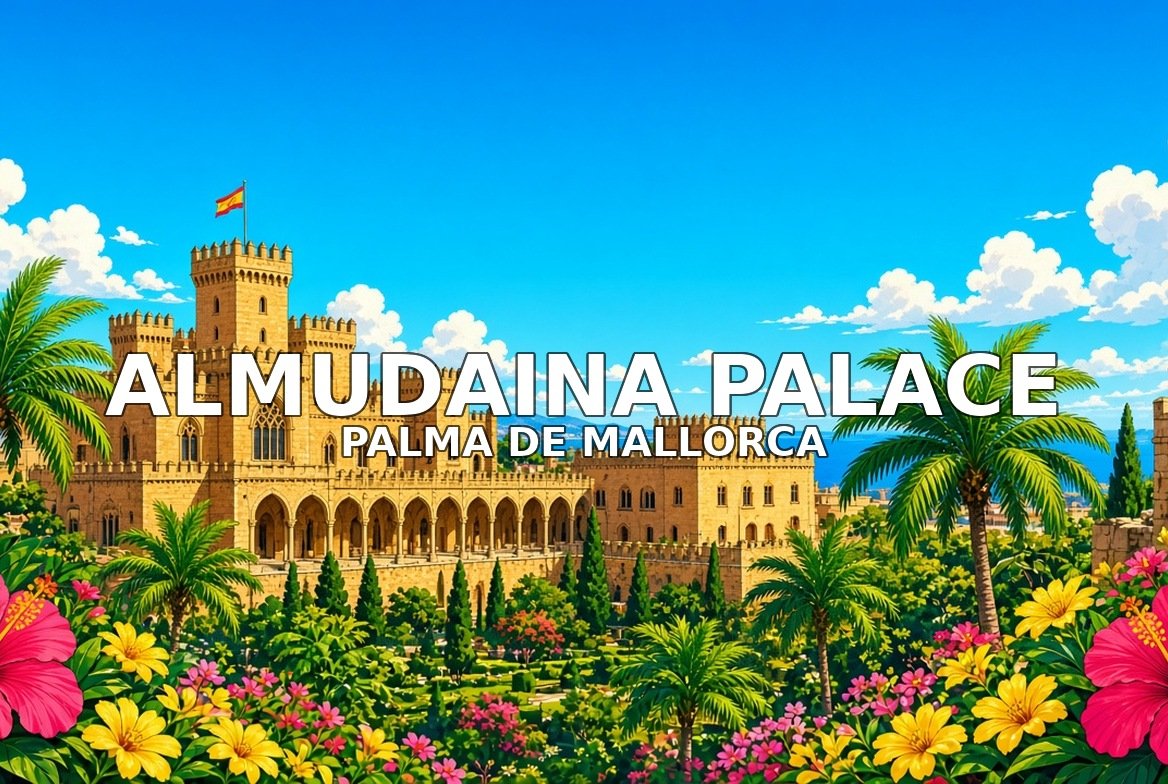
The Royal Palace of La Almudaina began as an Arab fortress and was turned into a palace for the kings of Mallorca. Its Gothic halls, chapel of Saint Anne and courtyards stand beside the cathedral, overlooking the sea.
Walk this order. Palace Walls → Royal Courtyard → Great Halls → Chapel of Saint Anne → Exit Toward Es Baluard.
03 · Tour · videos inside this sight

Palace Walls

Royal Courtyard

Great Halls

Chapel of Saint Anne

Exit Toward Es Baluard
4. Palma de Mallorca walking tour: Es Baluard Museum
Old city walls · modern art
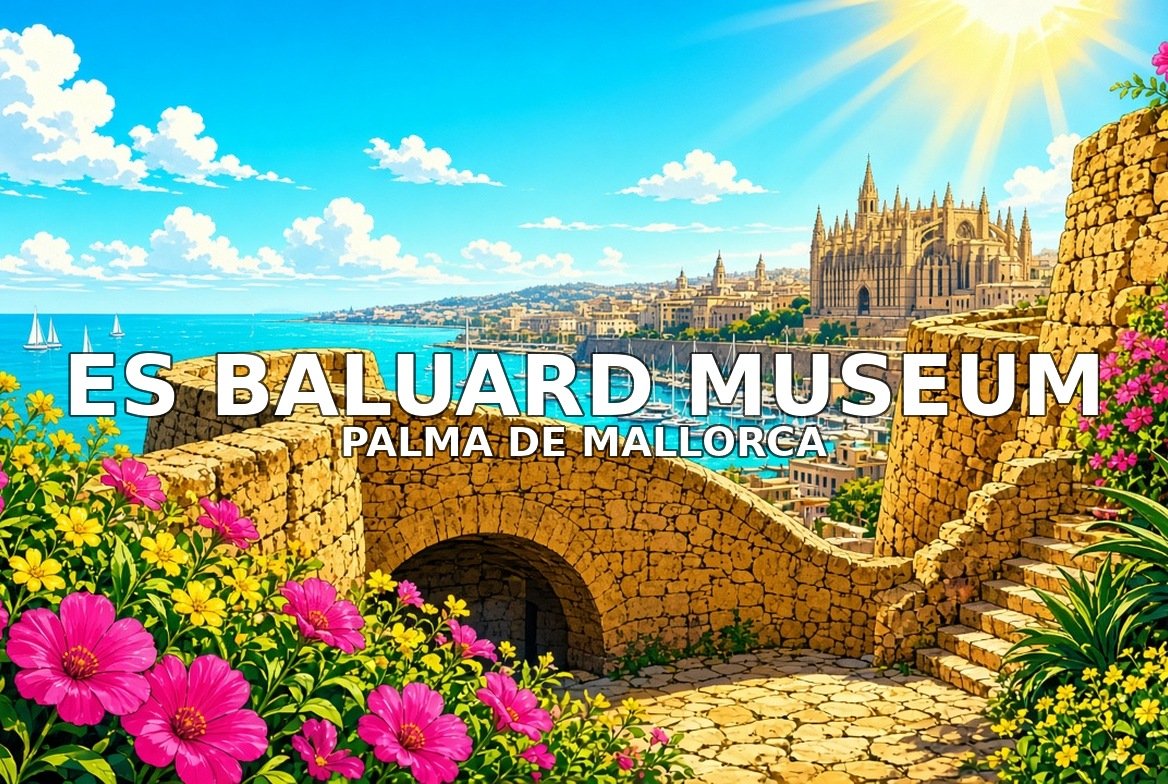
Es Baluard is a museum of modern and contemporary art set inside the Renaissance bastion of Sant Pere in the old city walls. Its terraces and walkways look out over the port and the bay.
Walk this order. Bastion of Sant Pere → Museum Entrance → Galleries → Terraces and Cistern → Exit Toward the Old Town.
03 · Tour · videos inside this sight

Bastion of Sant Pere

Museum Entrance

Galleries

Terraces and Cistern

Exit Toward the Old Town
5. Palma de Mallorca walking tour: Old Town
Behind the cathedral · historic lanes
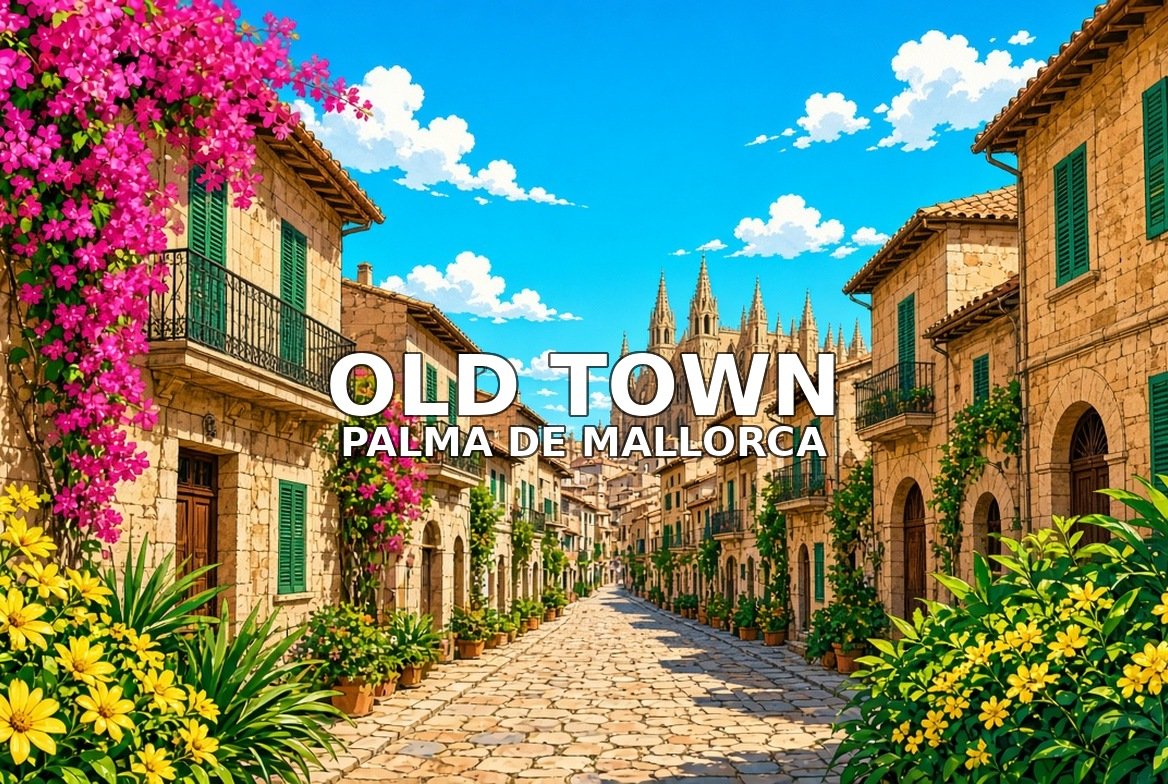
The Old Town spreads behind the cathedral in a web of narrow streets, hidden courtyards and noble houses. Wander past the Arab Baths, the Church of Santa Eulàlia and the Basilica of Sant Francesc.
Walk this order. Placa de Cort → Arab Baths → Basilica of Sant Francesc → Placa Major → Exit Toward Mercat de lOlivar.
03 · Tour · videos inside this sight

Placa de Cort

Arab Baths

Basilica of Sant Francesc

Placa Major

Exit Toward Mercat de lOlivar
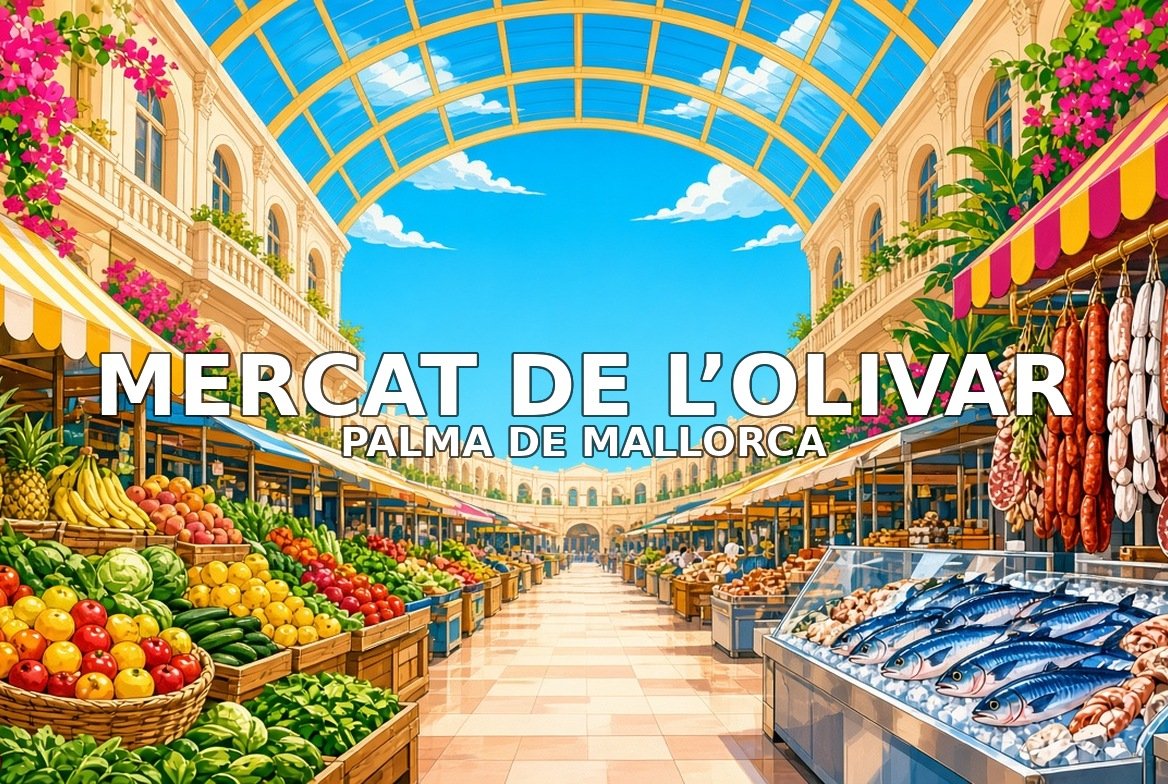
6. Palma de Mallorca walking tour: Mercat de l’Olivar
Plaça de l’Olivar · food market
Mercat de l’Olivar is Palma’s main food market. Its stalls overflow with fish, seafood, cured meats, cheeses, fruit and olives, and its tapas bars are a lively place for a local lunch.
Walk this order. Market Hall → Fish Hall → Fruit and Vegetable Stalls → Tapas Bars → Exit Toward Passeig des Born.
03 · Tour · videos inside this sight

Market Hall

Fish Hall

Fruit and Vegetable Stalls

Tapas Bars

Exit Toward Passeig des Born
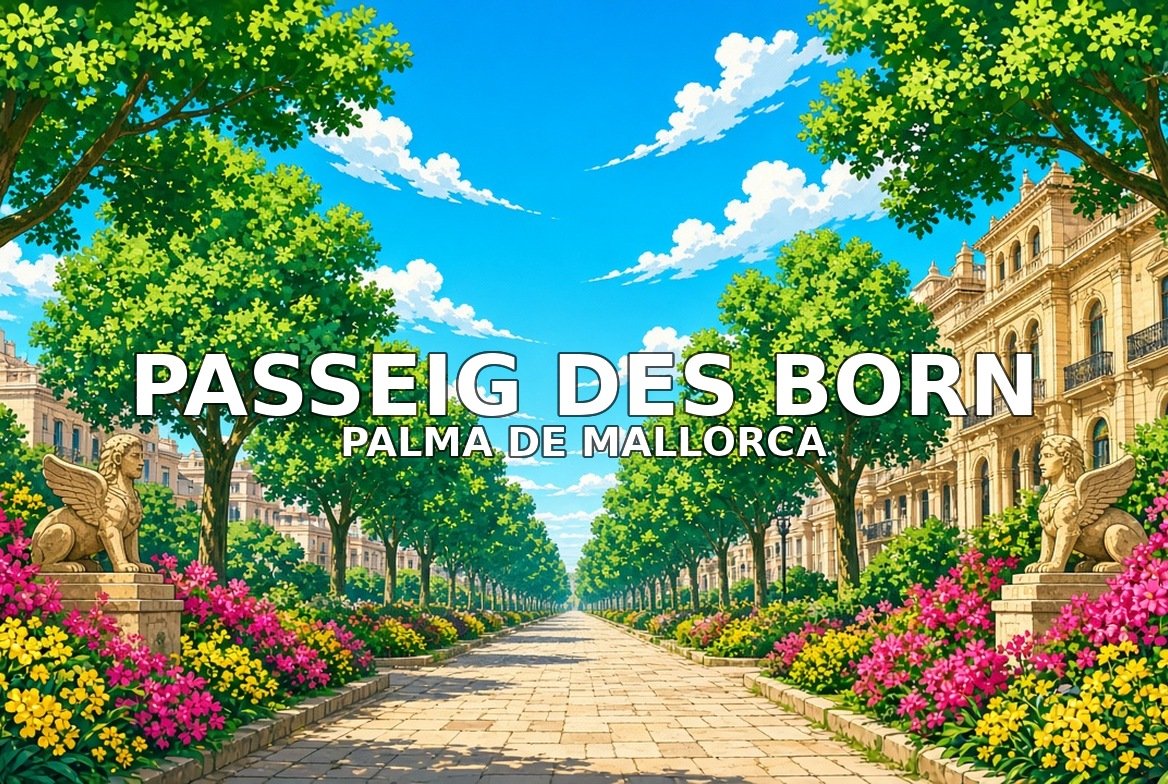
7. Passeig des Born
City centre · tree-lined promenade
The Passeig des Born is Palma’s elegant central promenade, shaded by plane trees and lined with stately buildings, shops and cafés. It links the old town to the seafront and is a favourite place for an evening stroll.
Walk this order. Placa de la Reina → Sphinx Fountains → Casal Solleric → Avinguda Jaume III → Exit Toward Miro Foundation.
03 · Tour · videos inside this sight

Placa de la Reina

Sphinx Fountains

Casal Solleric

Avinguda Jaume III

Exit Toward Miro Foundation
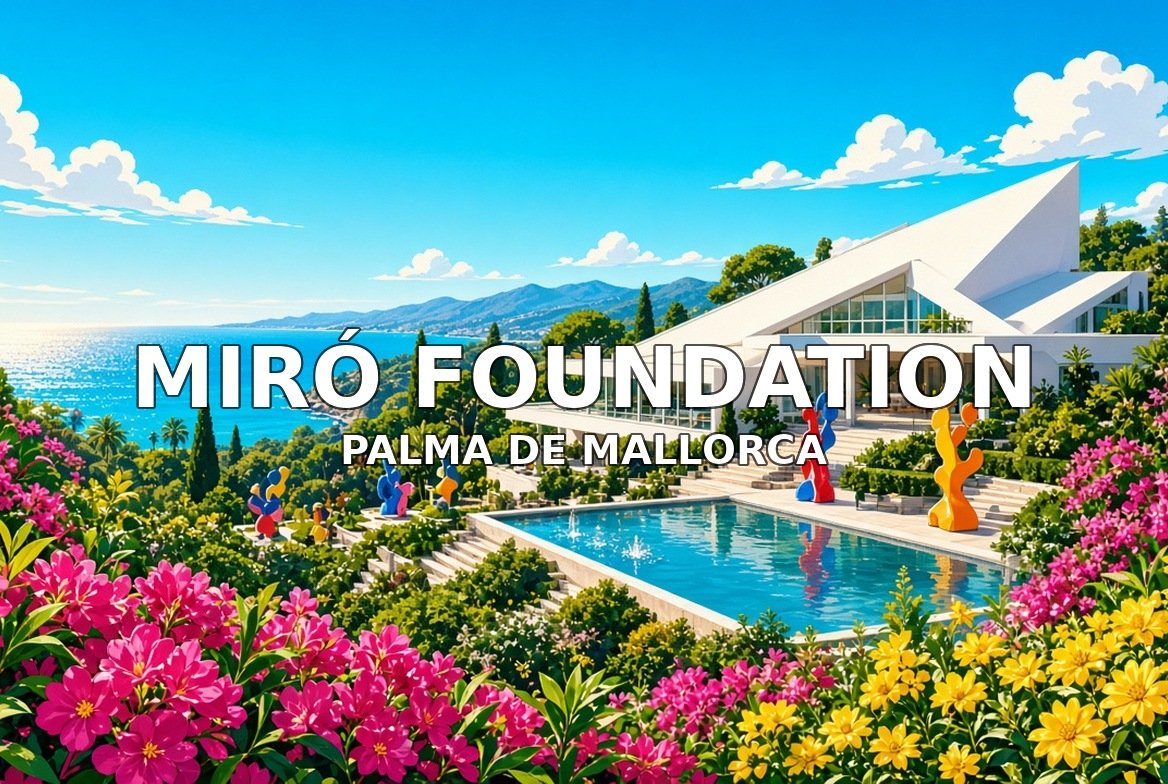
8. Miró Foundation
Cala Major · artist’s studios
The Fundació Pilar i Joan Miró preserves the studios where Joan Miró lived and worked for the last decades of his life. See his workshops just as he left them, and the museum building that holds his art.
Walk this order. Moneo Building → Sert Studio → Son Boter → Gardens and Pools → Exit Toward Playa de Palma.
03 · Tour · videos inside this sight

Moneo Building

Sert Studio

Son Boter

Gardens and Pools

Exit Toward Playa de Palma
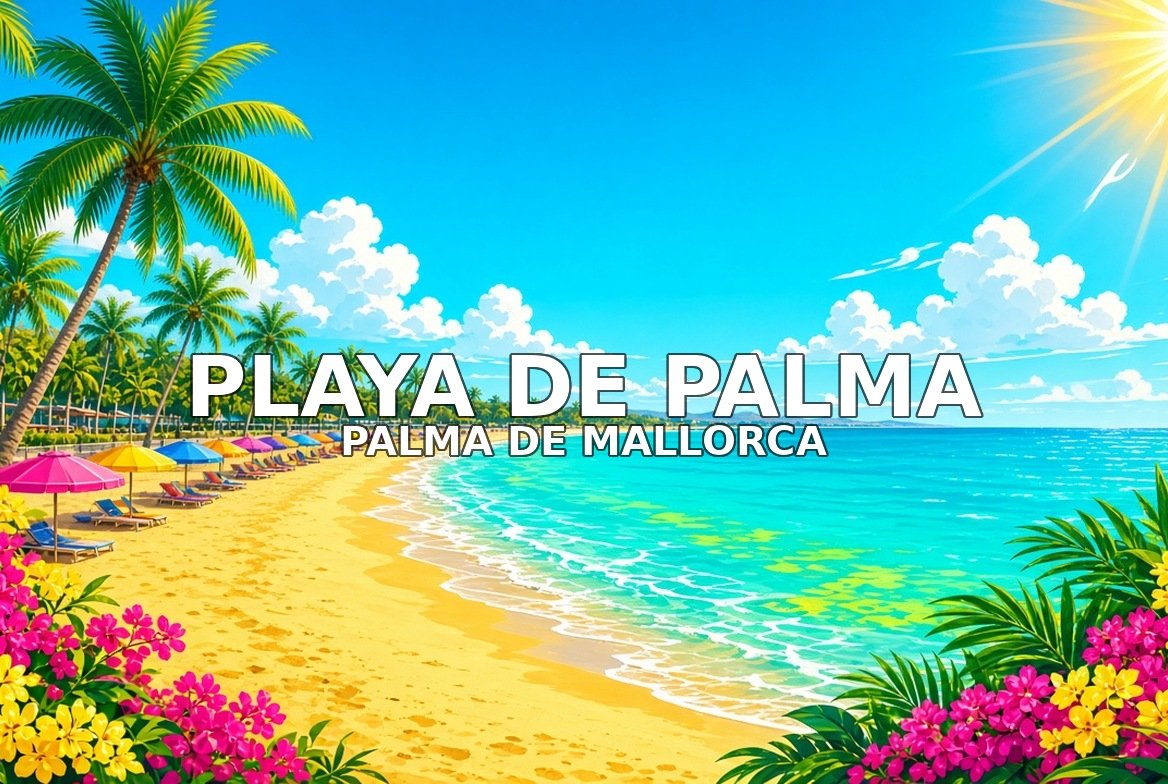
9. Playa de Palma
East of the city · beach promenade
Playa de Palma is a long sandy beach stretching east from the city along the bay. Its seafront promenade, clear water and beach bars make it the easiest place near Palma for a swim.
Walk this order. Can Pastilla → The Balnearios → Seafront Promenade → El Arenal → Exit Toward the Soller Train.
03 · Tour · videos inside this sight

Can Pastilla

The Balnearios

Seafront Promenade

El Arenal

Exit Toward the Soller Train
10. Sóller Train
Plaça d’Espanya · vintage railway · end of the tour
The Sóller Train has run since 1912 on a narrow-gauge line from Palma through the Tramuntana mountains to Sóller. Its polished wooden carriages and mountain views make a memorable end to the tour.
Walk this order. Placa Espanya Station → Wooden Carriages → Tunnels and Viaducts → Soller Town → End of Tour Walk.

03 · Tour · videos inside this sight

Placa Espanya Station

Wooden Carriages

Tunnels and Viaducts

Soller Town

End of Tour Walk