
Barcelona Walking Tour: 50 Free Video Stops

Free City ToursBarcelona walking tour · freecitytours.org
How to tour Barcelona

Barcelona sits between the hills and the sea. The old city is the Gothic quarter and La Rambla. The Eixample grid holds the Gaudi houses. Montjuic is the hill above the port.
Park Guell is on the Gracia hillside. The Sagrada Familia stands in the Eixample. Casa Mila and Casa Batllo face Passeig de Gracia. The cathedral and the Barri Gotic are the medieval core. The Boqueria opens off La Rambla. The Picasso Museum is on Carrer Montcada.
On this walk you start at Park Guell, take the Sagrada Familia, then the two houses. Drop to the cathedral and the Gothic lanes, walk La Rambla and the market, see Picasso, and finish on Montjuic.
1. Park Guell
Gracia hillside · start here · 75–120 minutes
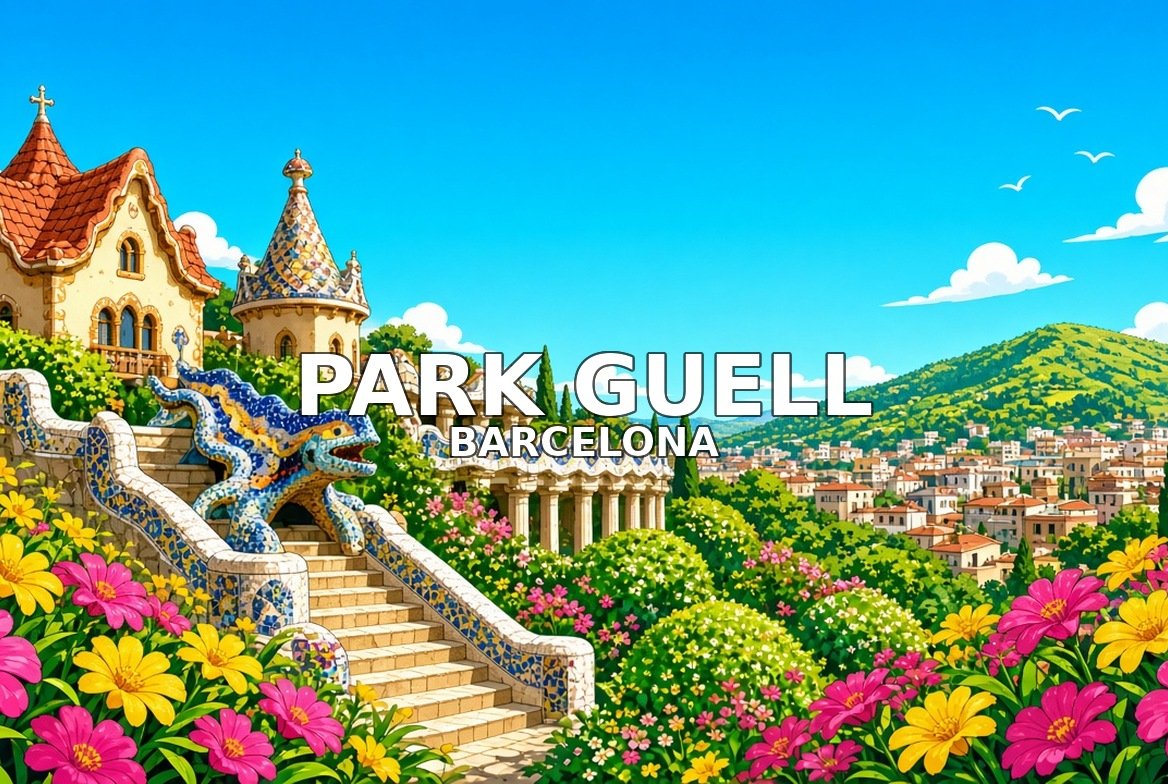
Park Guell sits on the Gracia hillside. Gaudi’s gatehouses, the dragon stair, the hall of columns and the bench plaza are the walk. The monumental zone is ticketed.
Walk this order. Main Entrance → Dragon Stairway → Hypostyle Hall → Serpentine Bench Plaza → Austria Gardens.
03 · Tour · videos inside this sight

Main Entrance

Dragon Stairway

Hypostyle Hall

Serpentine Bench Plaza

Austria Gardens
2. Sagrada Familia
From stop 1 · 25 minutes · 60–90 minutes
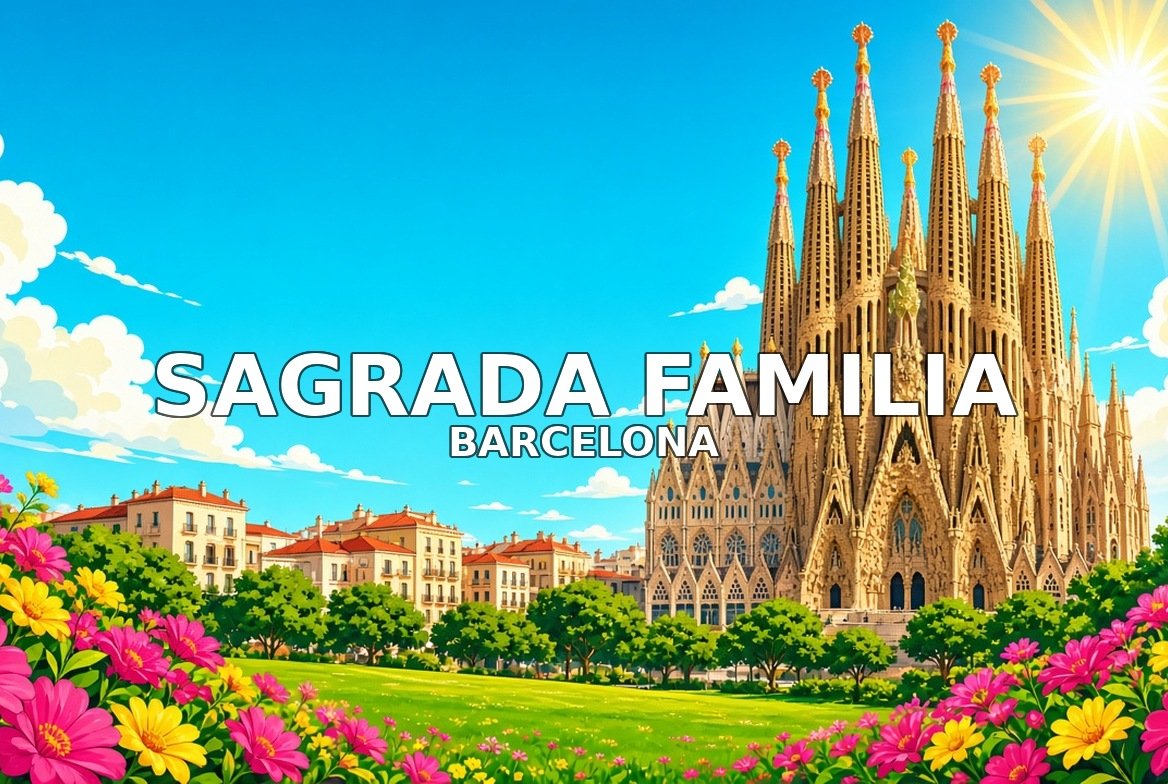
The Sagrada Familia is Gaudi’s basilica, still under construction. The Nativity and Passion facades and the forest of columns are the visit. Ticketed. Book a time.
Walk this order. Nativity Facade → Passion Facade → Towers Skyline → Interior Forest Columns → Stained Glass Light.
03 · Tour · videos inside this sight

Nativity Facade

Passion Facade

Towers Skyline

Interior Forest Columns

Stained Glass Light
3. Casa Mila
From stop 2 · 20 minutes · 45–75 minutes
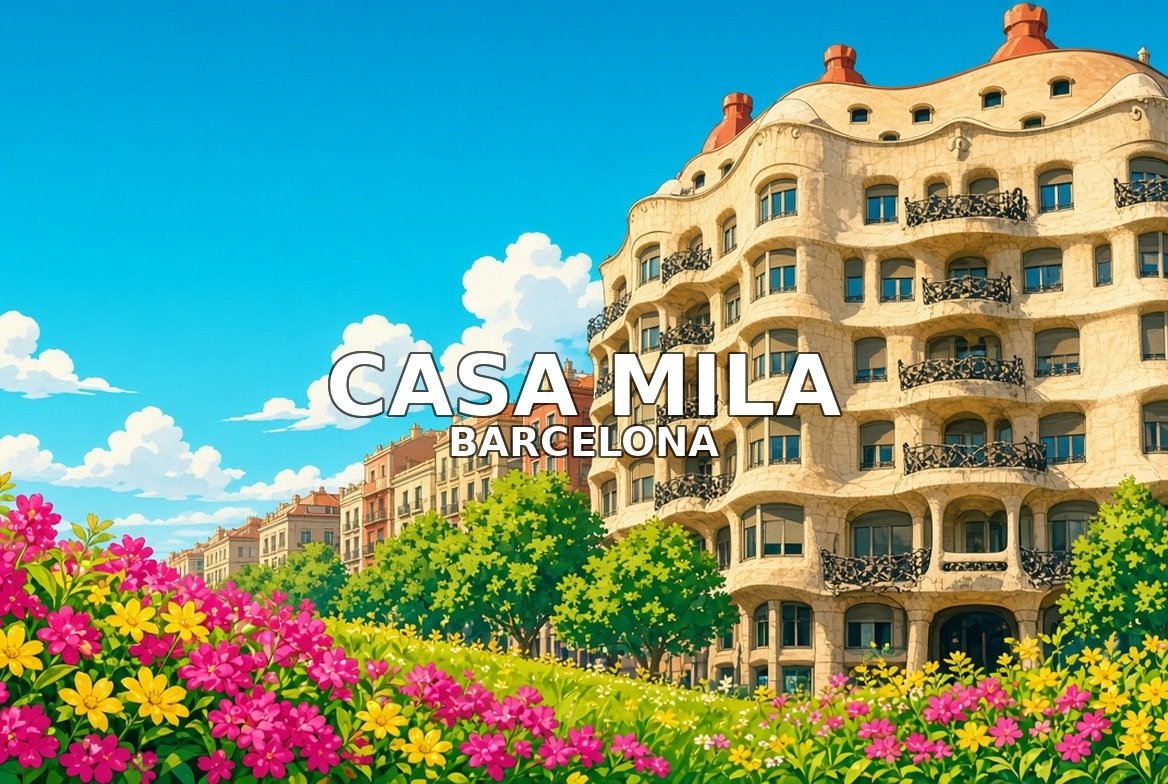
Casa Mila, La Pedrera, is the stone wave on Passeig de Gracia. Iron balconies and the chimney roof are the stops. Ticketed.
Walk this order. Stone Wave Facade → Wrought Iron Balconies → Courtyard → Roof Warriors Chimneys → Exit Toward Casa Batllo.
03 · Tour · videos inside this sight

Stone Wave Facade

Wrought Iron Balconies

Courtyard

Roof Warriors Chimneys

Exit Toward Casa Batllo
4. Casa Batllo
From stop 3 · 8 minutes · 45–75 minutes
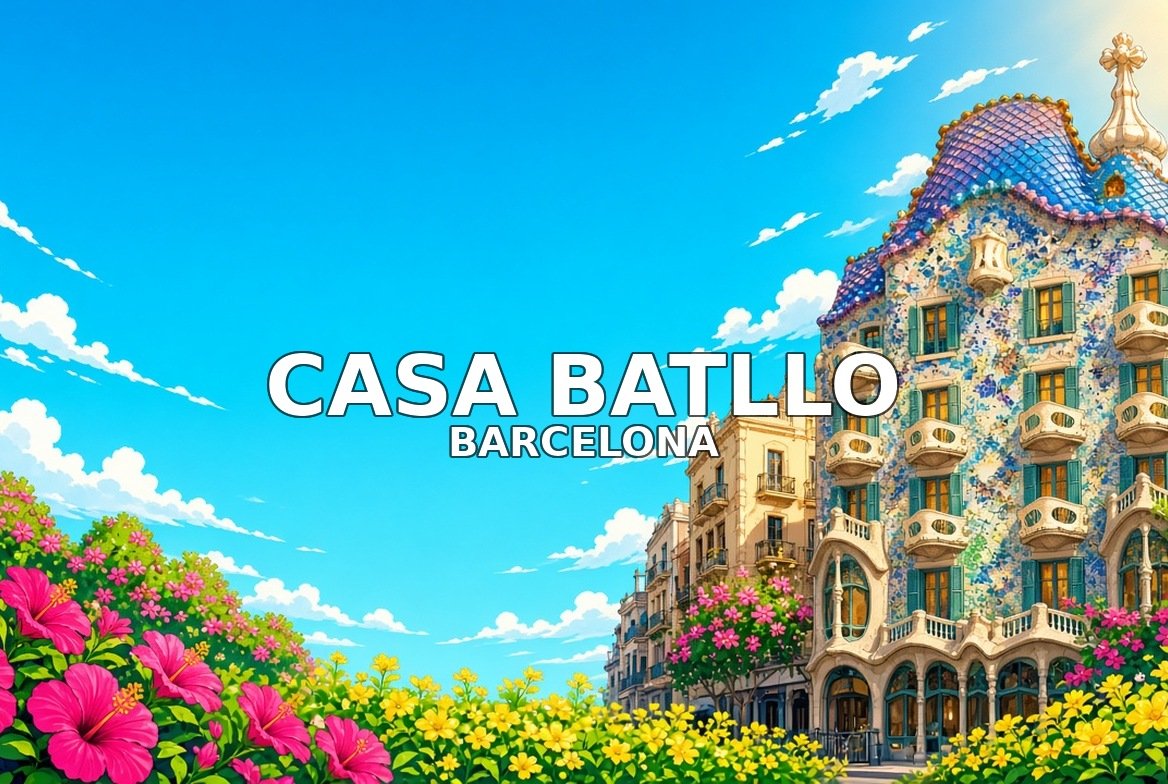
Casa Batllo is the bone-balcony house on the same avenue, with the tiled roof. Ticketed. The facade is free to look at from the pavement.
Walk this order. Passeig de Gracia Facade → Bone Balconies → Light Well Interior → Roof Dragon Back → Exit Toward La Rambla.
03 · Tour · videos inside this sight

Passeig de Gracia Facade

Bone Balconies

Light Well Interior

Roof Dragon Back

Exit Toward La Rambla
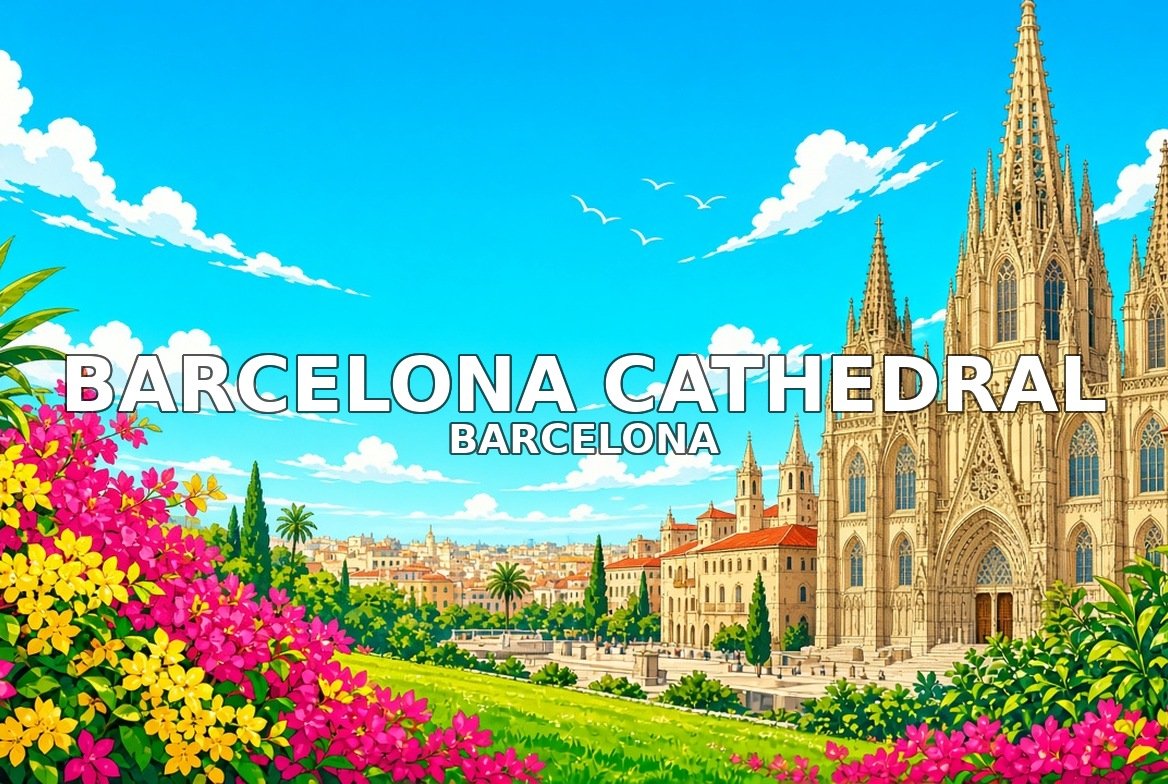
5. Barcelona Cathedral
From stop 4 · 25 minutes · 40–60 minutes
Barcelona Cathedral is the Gothic church in the old quarter, with geese in the cloister. The square is free. The church may charge. Dress modestly.
Walk this order. Main Facade → Nave Interior → Choir and Chapels → Cloister Garden → Exit Toward Picasso Museum.
03 · Tour · videos inside this sight

Main Facade

Nave Interior

Choir and Chapels

Cloister Garden

Exit Toward Picasso Museum
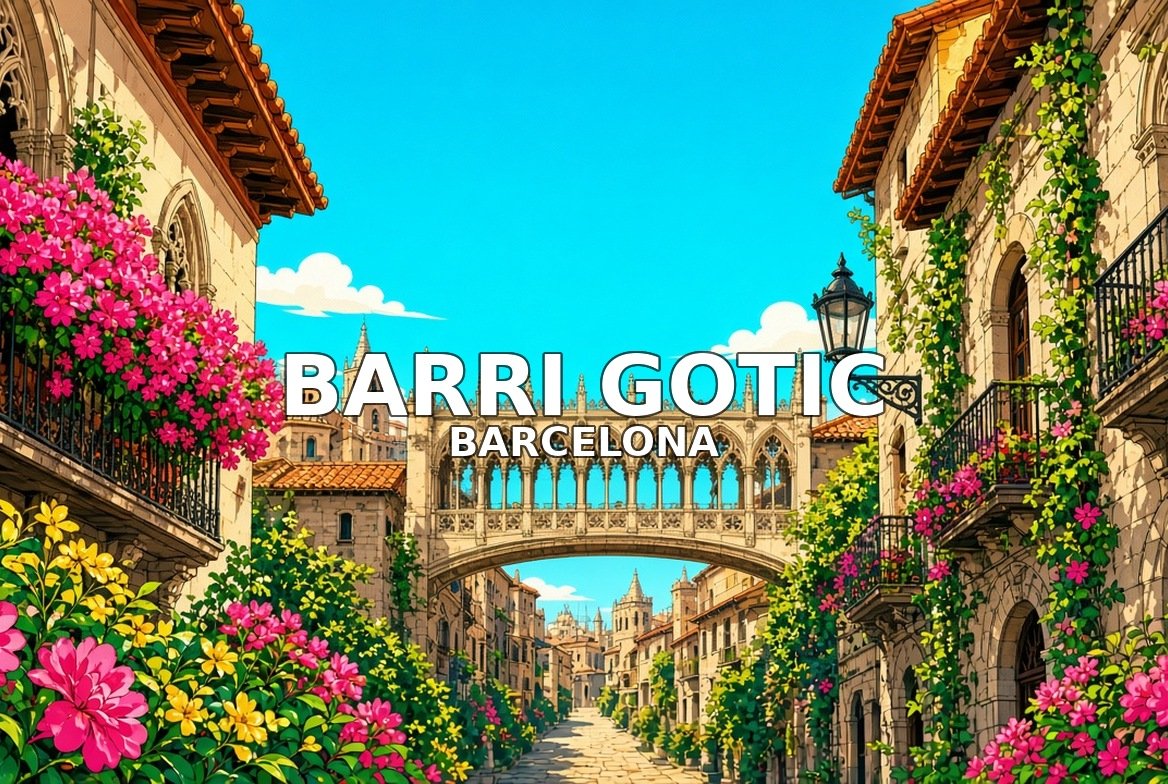
6. Barri Gotic
From stop 5 · 5 minutes · 30–45 minutes
The Barri Gotic is the medieval core: the Bisbe bridge, Sant Jaume and the lanes around the palace. Free.
Walk this order. Narrow Stone Lanes → Carrer del Bisbe Bridge → Placa Sant Jaume → Placa del Rei → Exit Toward Cathedral.
03 · Tour · videos inside this sight

Narrow Stone Lanes

Carrer del Bisbe Bridge

Placa Sant Jaume

Placa del Rei

Exit Toward Cathedral
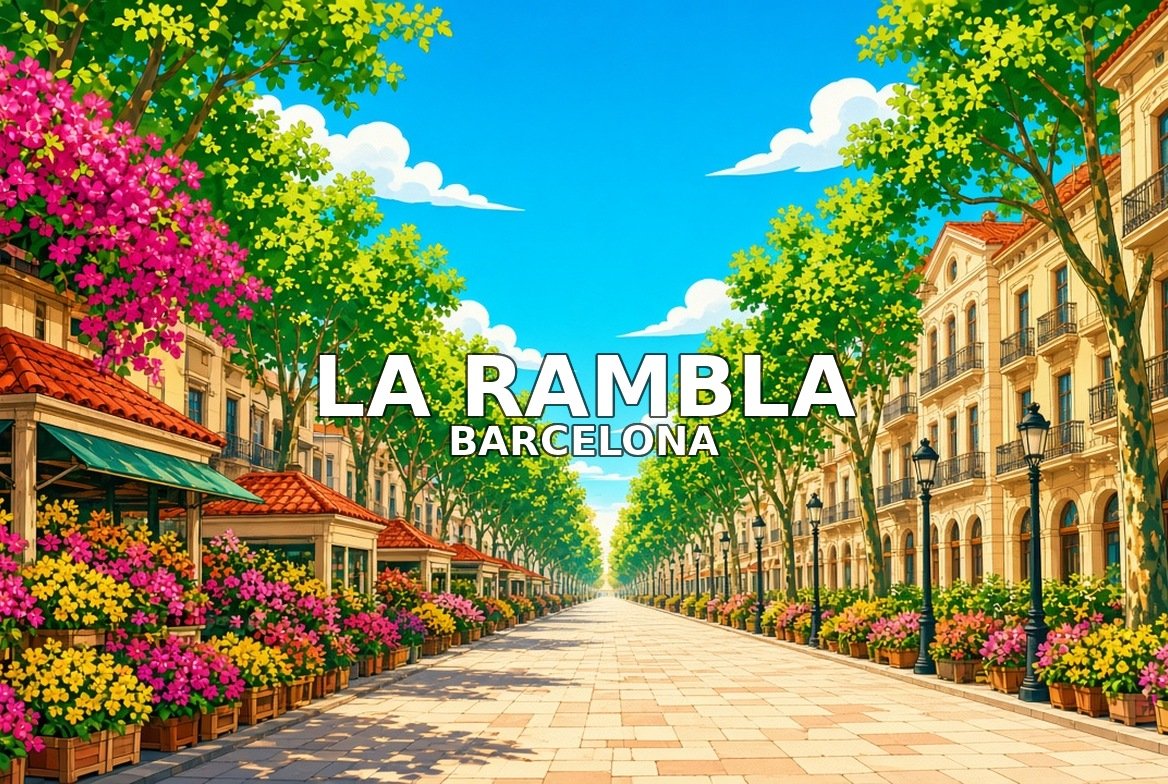
7. La Rambla
From stop 6 · 8 minutes · 25–40 minutes
La Rambla is the plane-tree walk from Plaça de Catalunya to the port. The Boqueria sits on the west side. Free. Watch bags.
Walk this order. Placa Catalunya Approach → Font de Canaletes → Mid Rambla Street Life → Boqueria Market → Columbus Monument.
03 · Tour · videos inside this sight

Placa Catalunya Approach

Font de Canaletes

Mid Rambla Street Life

Boqueria Market

Columbus Monument
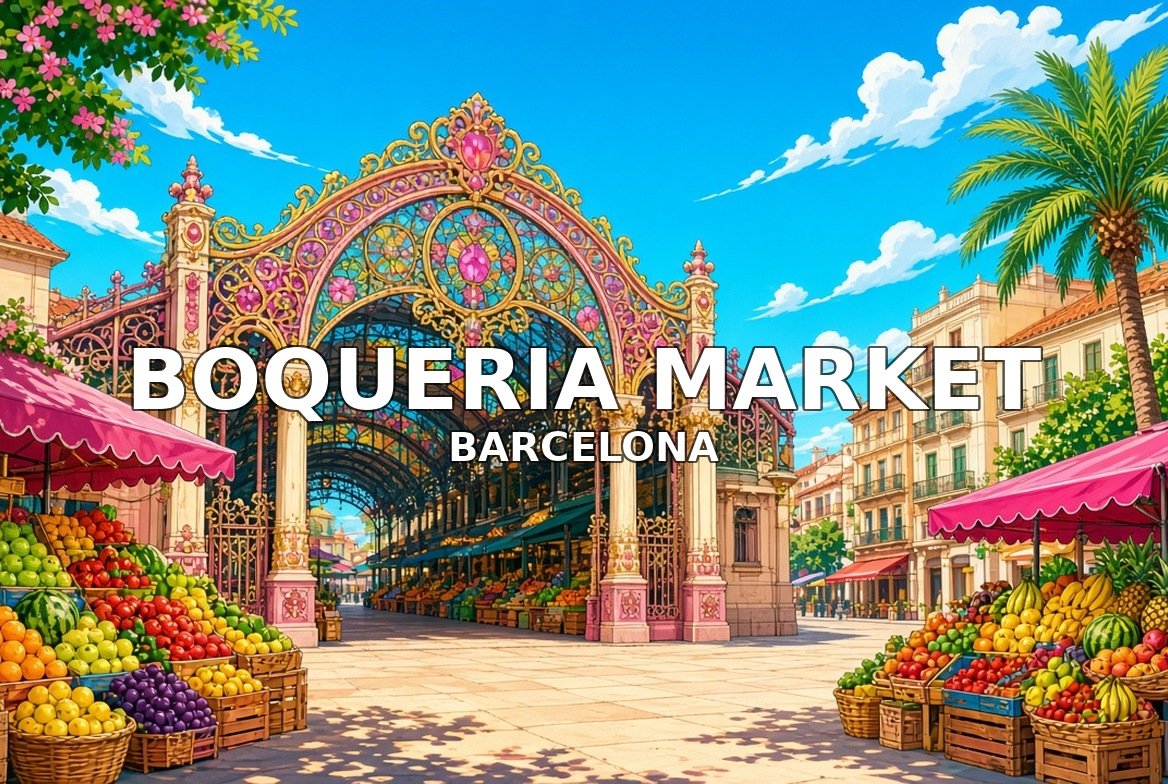
8. Boqueria Market
From stop 7 · beside the Rambla · 25–40 minutes
La Boqueria is the iron-roof market off La Rambla. Fruit stalls fill the front. Free to walk. Go early.
Walk this order. Market Gate from Rambla → Produce Aisles Colour → Seafood Stalls → Juice and Tapas Counters → Exit Toward Eixample Gaudi.
03 · Tour · videos inside this sight

Market Gate from Rambla

Produce Aisles Colour

Seafood Stalls

Juice and Tapas Counters

Exit Toward Eixample Gaudi
9. Picasso Museum
From stop 8 · 15 minutes · 45–70 minutes
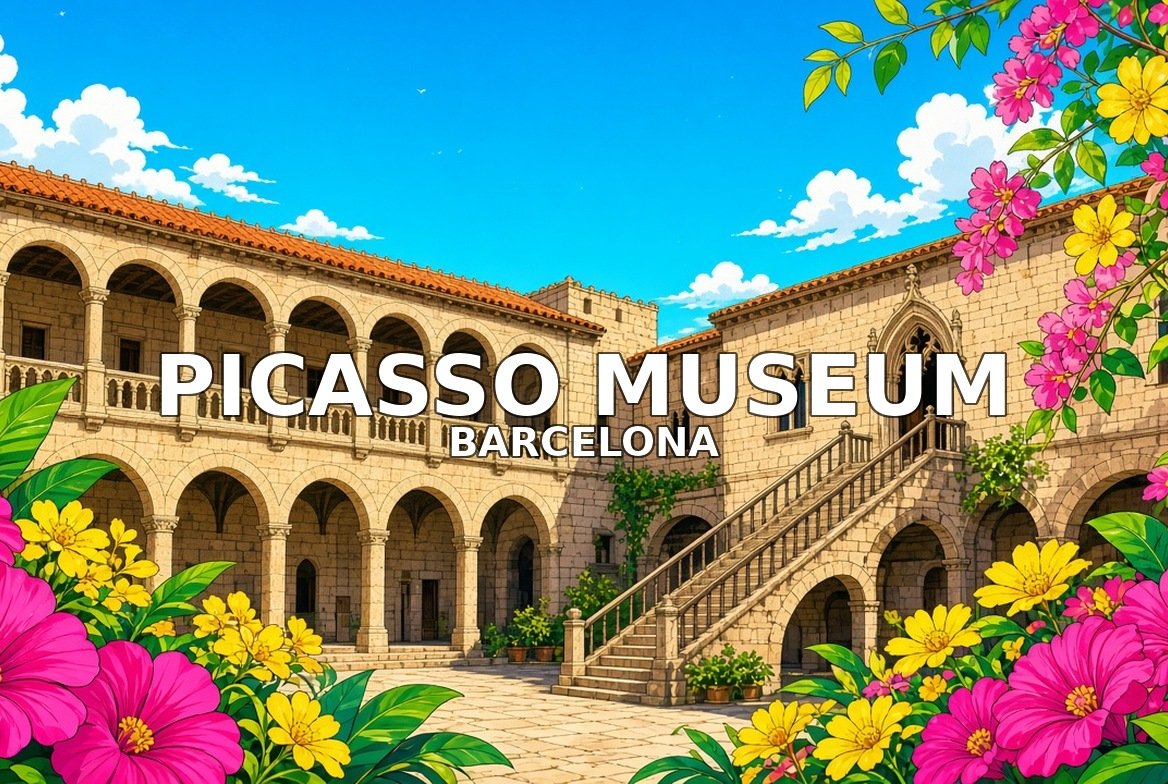
The Picasso Museum fills Gothic palaces on Carrer Montcada. The courtyards are the outside walk. Ticketed. Book a time.
Walk this order. Carrer Montcada Mansions → Museum Courtyards → Gallery Courts → Gothic Palace Interiors → Exit Toward Barceloneta Beach.
03 · Tour · videos inside this sight

Carrer Montcada Mansions

Museum Courtyards

Gallery Courts

Gothic Palace Interiors

Exit Toward Barceloneta Beach
10. Montjuic and Magic Fountain
From stop 9 · metro or bus · 60–90 minutes
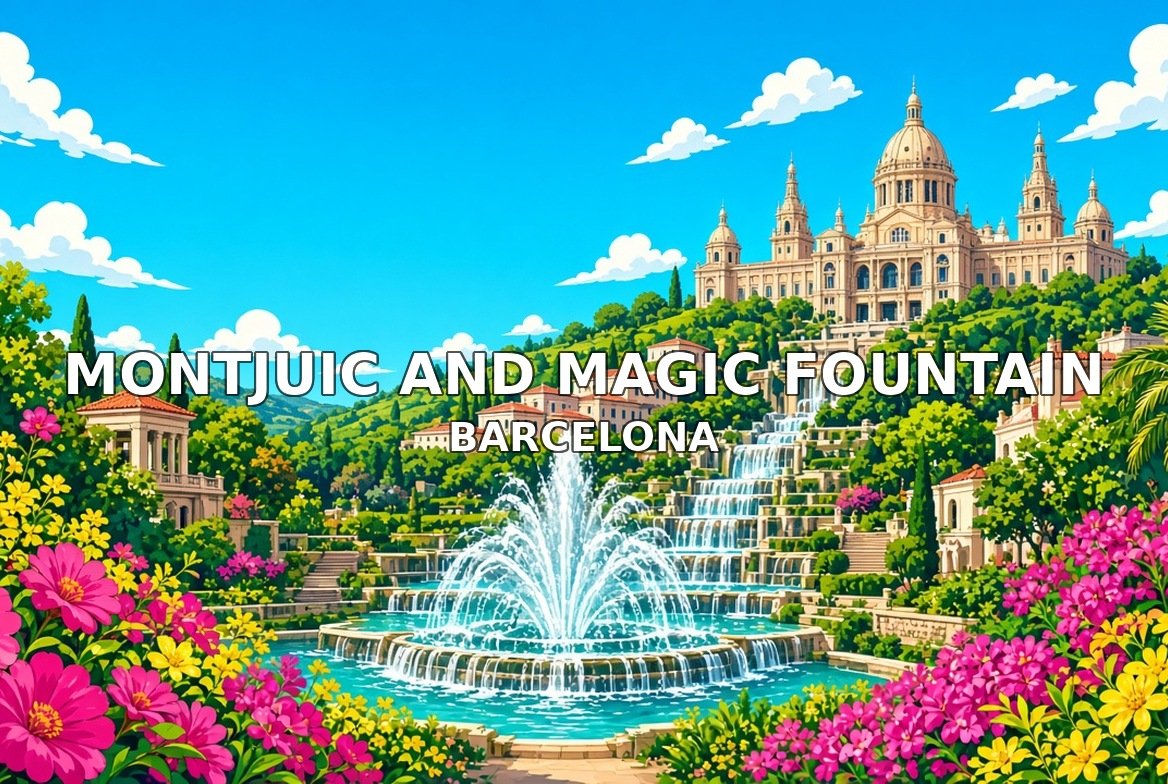
Montjuic is the hill above the port. The Magic Fountain sits below the palace steps. The view and the fountain basin are free. The castle is ticketed.
Walk this order. Montjuic Castle Ramparts → City and Harbour Panorama → Olympic Area Edge → MNAC Steps View → Magic Fountain Basins.
03 · Tour · videos inside this sight

Montjuic Castle Ramparts

City and Harbour Panorama

Olympic Area Edge

MNAC Steps View

Magic Fountain Basins