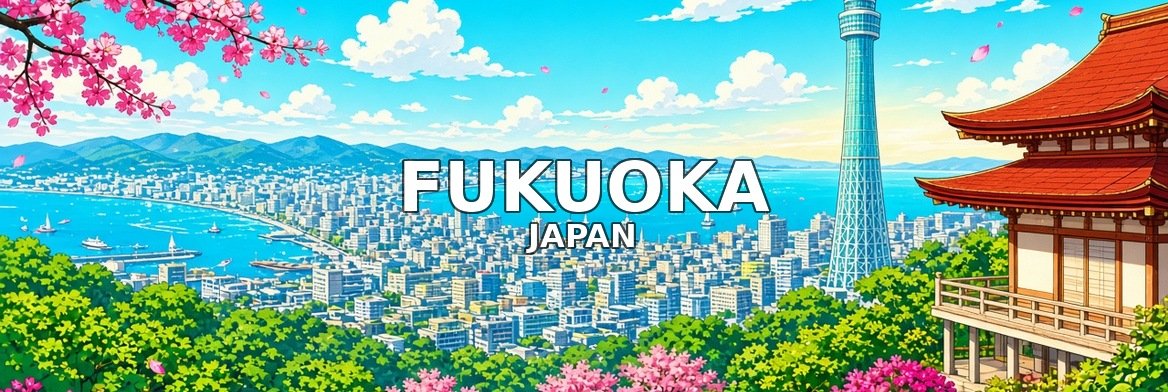
Fukuoka walking tour banner: Fukuoka, Japan

Fukuoka Walking Tour: 50 Free Video Stops

Free City Tours logo
Free City ToursFukuoka walking tour · freecitytours.org

How to tour Fukuoka

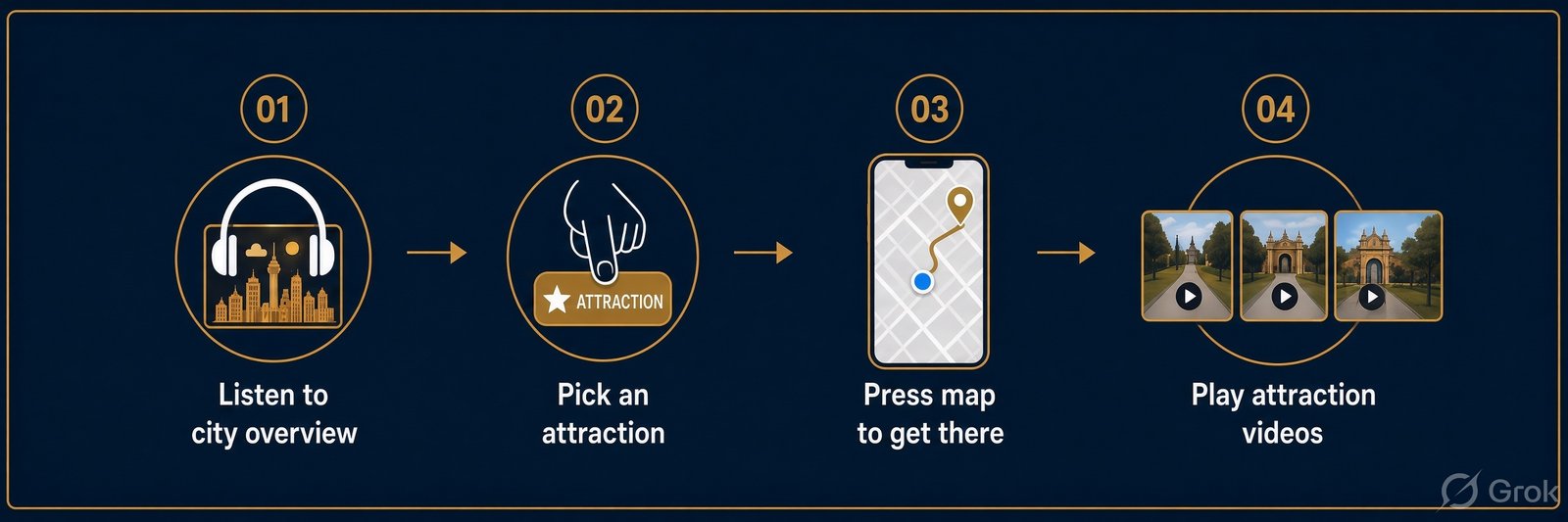
How to take the Fukuoka walking tour: listen to the overview, pick an attraction, press Map, play the videos

You can take this free self-guided walking tour of Fukuoka on your phone as you walk. There’s no app to download, no sign-up and no guide to tip. From Kushida Shrine to Nokonoshima Island, open the page, tap a stop, and a short narrated video tells you what you’re looking at, with a map link to get you to the next one.

Fukuoka grew as two towns on Hakata Bay. Hakata was the old port facing Korea and China. Kushida Shrine has guarded it since 757.

Eisai founded Shofukuji in 1195, Japan’s first Zen temple. In 1601 Kuroda Nagamasa built Fukuoka Castle on the moat that is now Ohori Park. Hakata and Fukuoka were joined as one city in 1889.

You are on the north coast of Kyushu, on a bay closed by islands. The Naka River splits Hakata from Nakasu. Momochi is reclaimed land on the west shore.

On this Fukuoka walking tour you start at Kushida, cross to the Machiya, then Tochoji and Shofukuji, the Asian Art Museum and Canal City, Ohori Park, the tower and Momochi beach, and end on the ferry to Nokonoshima.

The pleasure is the double city under your feet: a shrine festival float, a Zen gate, yatai on the river, and a silver tower on the bay.

1. Fukuoka walking tour: Kushida Shrine

Gion Station · start here · 30–45 minutes

Map
Sponsored · Places to eat near Kushida Shrine, Fukuoka

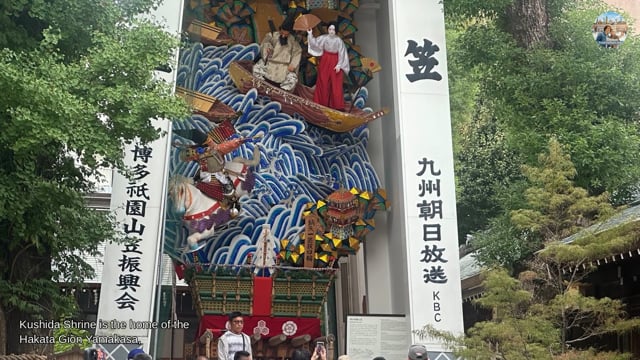
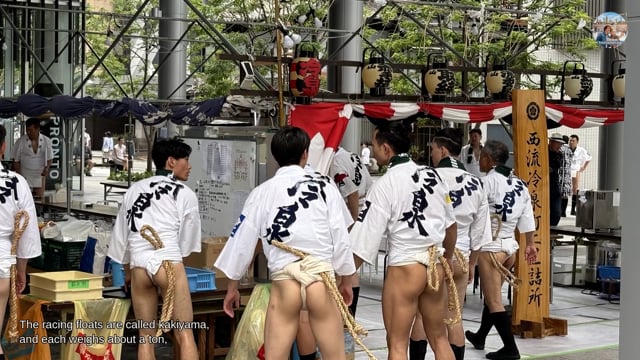
On this Fukuoka walking tour, Kushida Shrine is the guardian shrine of Hakata, founded in 757. Its grounds are free from early morning to late evening. Every July the Hakata Gion Yamakasa festival centres on this shrine. Walk this order. The guardian shrine of Hakata, the decorated floats, the race at dawn, stones walls and small shrines, festivals through the year, across the street to the Hakata Machiya Folk Museum.

Fukuoka walking tour: Kushida Shrine
03 · Tour · videos inside this sight
Fukuoka walking tour (video): Kushida Shrine – The Guardian Shrine of Hakata
The Guardian Shrine of Hakata
Fukuoka walking tour (video): Kushida Shrine – The Decorated Floats
The Decorated Floats
Fukuoka walking tour (video): Kushida Shrine – Stones, Walls and Small Shrines
Stones, Walls and Small Shrines
Fukuoka walking tour (video): Kushida Shrine – Festivals Through the Year
Festivals Through the Year

Kushida Shrine Fukuoka: Guardian Shrine of Hakata

Kushida Shrine Fukuoka, affectionately called Okushida-san by locals, was founded in 757 and stands as the oldest community guardian shrine of historic Hakata. Its peaceful courtyard displays a permanently erected kazari-yamakasa — a thirteen-metre multi-tiered ceremonial float decorated with intricate samurai and mythological figures for the July Hakata Gion Yamakasa festival, which is inscribed on UNESCO’s Intangible Cultural Heritage list. Passing under the torii gates to explore the shrine grounds, sacred ginkgo tree and crane well is completely free every day.

Advertisement
Ad slot

2. Hakata Machiya Folk Museum

From stop 1 · 2 minutes across the street · 30–45 minutes

Map

Along this Fukuoka walking tour, the Hakata Machiya Folk Museum sits opposite Kushida Shrine in a restored late-Meiji merchant house. It shows how traders of old Hakata lived. Entry fee; closed some Mondays. Walk this order. A merchant house by the shrine, the shop front and the earthen floor, the living rooms, the courtyard garden, around the museum, then to Tochoji.


Fukuoka walking tour: Hakata Machiya Folk Museum
03 · Tour · videos inside this sight
Fukuoka walking tour (video): Hakata Machiya Folk Museum – A Merchant House by the Shrine
A Merchant House by the Shrine
Fukuoka walking tour (video): Hakata Machiya Folk Museum – The Shop Front and the Earthen Floor
The Shop Front and the Earthen Floor
Fukuoka walking tour (video): Hakata Machiya Folk Museum – The Courtyard Garden
The Courtyard Garden
Advertisement
Ad slot

3. Tochoji Temple

From stop 2 · 6–8 min east · 30–40 minutes

Map

On this Fukuoka walking tour, Tochoji, founded in 806 by the monk Kukai, is the oldest Shingon temple in Kyushu. Its precinct holds a five-storey pagoda, a Daishi hall, a hexagonal hall, and a great wooden seated Buddha. Free precinct; a small fee for the Buddha hall. Walk this order. Kukai’s temple in Hakata, the five-storey pagoda and the Daishi hall, the main hall and the Great Buddha, the hexagonal hall, the tombs of the Kuroda lords, then to Shofukuji.

Fukuoka walking tour: Tochoji Temple
03 · Tour · videos inside this sight
Fukuoka walking tour (video): Tochoji Temple – Kukai's Temple in Hakata
Kukai’s Temple in Hakata
Fukuoka walking tour (video): Tochoji Temple – The Five Storey Pagoda and the Daishi Hall
The Five Storey Pagoda and the Daishi Hall
Fukuoka walking tour (video): Tochoji Temple – The Main Hall and the Great Buddha
The Main Hall and the Great Buddha
Fukuoka walking tour (video): Tochoji Temple – The Hexagonal Hall
The Hexagonal Hall
Fukuoka walking tour (video): Tochoji Temple – The Tombs of the Kuroda Lords
The Tombs of the Kuroda Lords

Tochoji Temple Fukuoka and the Fukuoka Great Buddha

Founded in 806 by the monk Kukai (Kobo Daishi) after his return from Tang China, Tochoji Temple Fukuoka is the oldest Shingon Buddhist temple in Kyushu and sits right beside Gion Station in historic Hakata. Upstairs in the main hall sits the Fukuoka Daibutsu, a 10.8-metre seated wooden Buddha carved from fragrant cypress that includes an atmospheric dark passage beneath the pedestal, while outside in the courtyard stands a bright vermilion five-storey wooden pagoda completed using traditional joinery in 2011.

Advertisement
Ad slot

4. Shofukuji Temple

From stop 3 · 8–10 min north · 25–40 minutes

Map

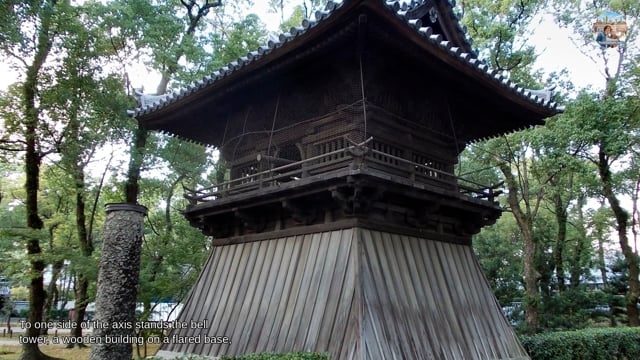
Along this Fukuoka walking tour, Shofukuji, founded in 1195 by the monk Eisai, is often called Japan’s first Zen temple. Free to walk the precinct. Walk this order. Japan’s first Zen temple, the sanmon gate, the Buddha hall and the pond, the bell tower and the imperial gate, the temple lanes of Gokusho, then to the Asian Art Museum.

Fukuoka walking tour: Shofukuji Temple
03 · Tour · videos inside this sight
Fukuoka walking tour (video): Shofukuji Temple – Japan's First Zen Temple
Japan’s First Zen Temple
Fukuoka walking tour (video): Shofukuji Temple – The Buddha Hall and the Pond
The Buddha Hall and the Pond
Fukuoka walking tour (video): Shofukuji Temple – The Bell Tower and the Imperial Gate
The Bell Tower and the Imperial Gate
Fukuoka walking tour (video): Shofukuji Temple – The Temple Lanes of Gokusho
The Temple Lanes of Gokusho

Shofukuji Temple Fukuoka: Japan’s First Zen Temple

A three-minute walk north of Tochoji through the quiet Gokusho-machi temple quarter brings you to Shofukuji Temple Fukuoka, founded in 1195 by the priest Eisai with the patronage of shogun Minamoto no Yoritomo as the very first Rinzai Zen temple in Japan. While the interior monastic training halls remain closed to the public, visitors can walk freely along the stone pathways shaded by camphor and maple trees past the Sanmon Gate, the Butsuden Hall, traditional earthen walls and historic wooden bell tower.

Advertisement
Ad slot

5. Fukuoka Asian Art Museum

From stop 4 · 10–12 min west to Nakasu-Kawabata · 45–75 minutes

Map

On this Fukuoka walking tour, the Fukuoka Asian Art Museum sits in the Hakata Riverain complex by the Naka River. Opened in 1999, it is devoted to modern and contemporary art from across Asia. Entry fee; closed Tuesdays. Walk this order. Hakata Riverain, a museum for modern Asia, the Hakata-za theatre, Kagami Tenmangu and the Kawabata arcade, the Hakata River, then to Canal City.

Fukuoka walking tour: Fukuoka Asian Art Museum
03 · Tour · videos inside this sight
Fukuoka walking tour (video): Fukuoka Asian Art Museum – A Museum for Modern Asia
A Museum for Modern Asia
Fukuoka walking tour (video): Fukuoka Asian Art Museum – The Hakata-za Theatre
The Hakata-za Theatre
Fukuoka walking tour (video): Fukuoka Asian Art Museum – Kagami Tenmangu and the Kawabata Arcade
Kagami Tenmangu and the Kawabata Arcade
Advertisement
Ad slot

6. Canal City Hakata

From stop 5 · 8–10 min south · 45–75 minutes

Map

Along this Fukuoka walking tour, Canal City Hakata is a large entertainment and shopping complex opened in 1996, designed as a city within the city around a canal and fountain shows. Free to enter and walk. Walk this order. A city within the city, the canal and the fountains, shops cinemas and the theatre, Ramen Stadium, Nakasu and the yatai, then toward Ohori Park.

Fukuoka walking tour: Canal City Hakata
03 · Tour · videos inside this sight
Fukuoka walking tour (video): Canal City Hakata – A City Within the City
A City Within the City
Fukuoka walking tour (video): Canal City Hakata – The Canal and the Fountains
The Canal and the Fountains
Fukuoka walking tour (video): Canal City Hakata – Shops, Cinemas and the Theatre
Shops, Cinemas and the Theatre
Fukuoka walking tour (video): Canal City Hakata – Nakasu and the Yatai
Nakasu and the Yatai

Canal City Hakata and the Ramen Stadium

Canal City Hakata sits between the historic temples of old Hakata and the Nakasu entertainment island, designed by American architect Jon Jerde as a sweeping canyon of terracotta and red-toned plazas wrapped around a 180-metre artificial canal. Every half hour from 10:00 am to 10:00 pm, a choreographed musical fountain show erupts across the central Sun Plaza stage, and the fifth floor houses Ramen Stadium, where eight ramen shops serve rich Hakata tonkotsu pork-bone broth and regional noodles from across Japan.

Advertisement
Ad slot

7. Ohori Park

From stop 6 · subway to Ohori-koen · 45–90 minutes

Map

On this Fukuoka walking tour, Ohori Park was laid out on the site of Fukuoka Castle’s outer moat. A central lake with islands and bridges makes a long loop walk. Free; the Japanese garden has a small fee. Walk this order. A lake made from a moat, islands and bridges, the loop path and the boats, the Japanese garden, the art museum and the castle walls, then to Fukuoka Tower.

Fukuoka walking tour: Ohori Park
03 · Tour · videos inside this sight
Fukuoka walking tour (video): Ohori Park – A Lake Made from a Moat
A Lake Made from a Moat
Fukuoka walking tour (video): Ohori Park – Islands and Bridges
Islands and Bridges
Fukuoka walking tour (video): Ohori Park – The Loop Path and the Boats
The Loop Path and the Boats
Fukuoka walking tour (video): Ohori Park – The Japanese Garden
The Japanese Garden
Fukuoka walking tour (video): Ohori Park – The Art Museum and the Castle Walls
The Art Museum and the Castle Walls

Ohori Park Fukuoka: Lakeside Bridges and Japanese Garden

Ohori Park Fukuoka was laid out in the late 1920s around a broad former outer moat of neighboring Fukuoka Castle and modelled on the classic West Lake of Hangzhou in China. A flat two-kilometre walking and jogging path loops around the water, while four traditional stone and wooden bridges link a chain of pine-covered islands and a vermilion pavilion across the middle of the lake. At the southern end sits a traditional walled Japanese landscape garden and teahouse beside the Fukuoka Art Museum.

Advertisement
Ad slot

8. Fukuoka Tower

From stop 7 · bus or taxi to Momochihama · 45–60 minutes

Map

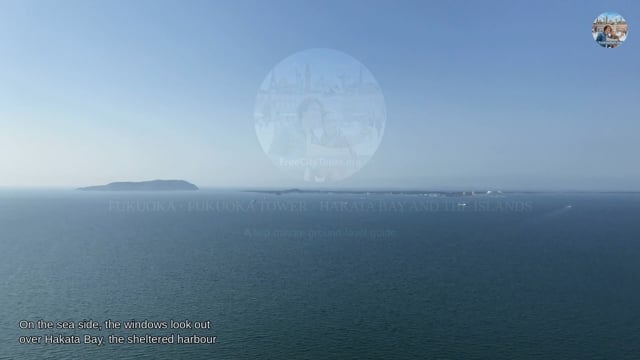
Along this Fukuoka walking tour, Fukuoka Tower, finished in 1989, rises 234 metres as Japan’s tallest seaside tower. The observation deck looks over Hakata Bay. Entry fee for the deck. Walk this order. A silver tower on reclaimed land, the mirror sail, up to the observation deck, Hakata Bay and the islands, sunset and the city lights, then to Momochi Seaside Park.

Fukuoka walking tour: Fukuoka Tower
03 · Tour · videos inside this sight
Fukuoka walking tour (video): Fukuoka Tower – A Silver Tower on Reclaimed Land
A Silver Tower on Reclaimed Land
Fukuoka walking tour (video): Fukuoka Tower – Up to the Observation Deck
Up to the Observation Deck
Fukuoka walking tour (video): Fukuoka Tower – Hakata Bay and the Islands
Hakata Bay and the Islands
Fukuoka walking tour (video): Fukuoka Tower – Sunset and the City Lights
Sunset and the City Lights

Fukuoka Tower and the Momochi Seaside Waterfront

Rising 234 metres above the Hakata Bay shoreline at Momochi Seaside Park, Fukuoka Tower is the tallest seaside tower in Japan, clad in eight thousand half-mirrors that earned it the local nickname Mirror Sail. High-speed glass lifts carry visitors in seventy seconds to the 123-metre top observation deck for a 360-degree panorama over Fukuoka City, Hakata Bay and Nokonoshima Island, while the sandy beach promenade and Marizon pier outside the base are completely free to stroll at sunset. Use the map button on this stop card to open walking directions straight to the entrance and watch the five short videos below before you set off.

Advertisement
Ad slot

9. Momochi Seaside Park

From stop 8 · 3–6 min to the sand · 30–60 minutes

Map

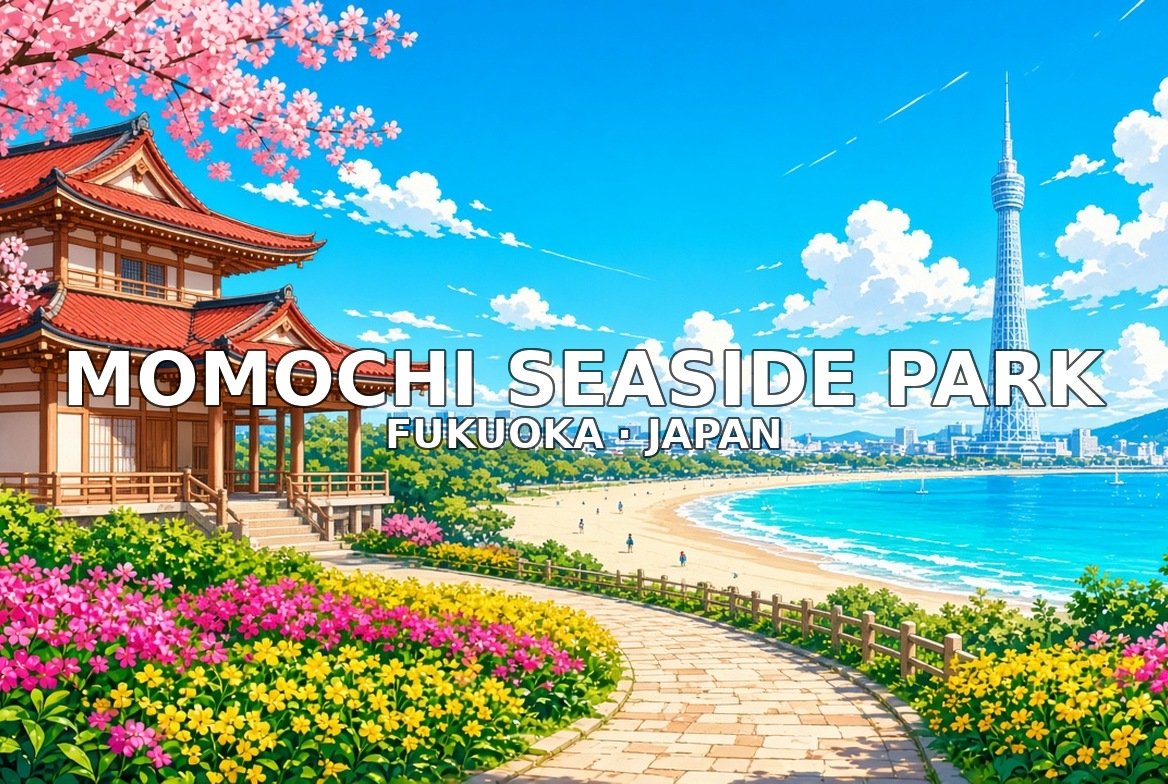
On this Fukuoka walking tour, Momochi Seaside Park is the artificial beach and promenade between Fukuoka Tower and Hakata Bay. Free beach and promenade. Walk this order. An artificial beach on the bay, Marizon and the promenade, the Fukuoka City Museum, the Gold Seal of the King of Na, the dome and Atago Shrine, then to the ferry for Nokonoshima.
Fukuoka walking tour: Momochi Seaside Park
03 · Tour · videos inside this sight
Fukuoka walking tour (video): Momochi Seaside Park – An Artificial Beach on the Bay
An Artificial Beach on the Bay
Fukuoka walking tour (video): Momochi Seaside Park – Marizon and the Promenade
Marizon and the Promenade
Fukuoka walking tour (video): Momochi Seaside Park – The Fukuoka City Museum
The Fukuoka City Museum
Fukuoka walking tour (video): Momochi Seaside Park – The Gold Seal of the King of Na
The Gold Seal of the King of Na
Fukuoka walking tour (video): Momochi Seaside Park – The Dome and Atago Shrine
The Dome and Atago Shrine
Advertisement
Ad slot

10. Nokonoshima Island

From stop 9 · bus to Noko Tosenba · 10 min ferry · last stop

Map

Nokonoshima is a small island in Hakata Bay, about ten minutes by ferry from Meinohama. Ferry fee; park entry fee. Last stop of the tour. Walk this order. A ten-minute ferry ride, Noko port and the island bus, Nokonoshima Island Park, fields of flowers, views back to the city, end of the tour.

Fukuoka walking tour: Nokonoshima Island
03 · Tour · videos inside this sight
Fukuoka walking tour (video): Nokonoshima Island – A Ten Minute Ferry Ride
A Ten Minute Ferry Ride
Fukuoka walking tour (video): Nokonoshima Island – Noko Port and the Island Bus
Noko Port and the Island Bus
Fukuoka walking tour (video): Nokonoshima Island – Nokonoshima Island Park
Nokonoshima Island Park
Fukuoka walking tour (video): Nokonoshima Island – Views Back to the City
Views Back to the City

Fukuoka Walking Tour Overview Detail

This Fukuoka walking tour links 10 sights and 50 short video stops narrated by Clarissa, from Kushida Shrine and the temple lanes of old Hakata to the shopping canal of Canal City, the castle moat of Ohori Park, the silver Fukuoka Tower and the flower fields of Nokonoshima Island. Fukuoka grew from two towns, the merchant port of Hakata and the castle town of Fukuoka, and the notes below follow that double city with routes, timing, transport, etiquette and the free sights worth knowing. For official visitor information, also check Go Fukuoka, the official travel guide of Fukuoka City.

Best routes for your Fukuoka walking tour using the 50 stops

Route 1, old Hakata (stops 1 to 4). Start at Kushida Shrine, the guardian shrine of Hakata since 757, and play the videos on its decorated festival floats and the dawn race of the Hakata Gion Yamakasa. Cross the street to the Hakata Machiya Folk Museum in a restored merchant house. Walk north to Tochoji, founded by the monk Kukai in 806, with its five-storey pagoda and great wooden seated Buddha, and finish at Shofukuji, founded by Eisai in 1195 and often called Japan’s first Zen temple, in the quiet temple lanes of Gokusho.

Route 2, the river and Canal City (stops 5 and 6). Walk to Hakata Riverain by the Naka River for the Fukuoka Asian Art Museum, devoted to modern and contemporary art from across Asia, with the Kawabata shopping arcade and Kagami Tenmangu nearby. Then follow the river to Canal City Hakata, the city within the city, with its canal, fountain shows, theatre and Ramen Stadium. In the evening, cross to Nakasu island, where yatai food stalls line the riverbank. This is the liveliest part of any Fukuoka walking tour.

Route 3, castle town and bay (stops 7 to 9). Take the subway west to Ohori Park, laid out on the outer moat of Fukuoka Castle, and walk the loop path around the lake, with islands, bridges, boats and a Japanese garden. Climb to the castle walls nearby for a view, then head north to Fukuoka Tower, 234 metres high on reclaimed land, and look out over Hakata Bay from its observation deck. Finish at Momochi Seaside Park, with its artificial beach and promenade, and visit the Fukuoka City Museum for the Gold Seal of the King of Na.

Route 4, Nokonoshima (stop 10). Ride the ferry from Meinohama port, about ten minutes across the bay, to Nokonoshima Island. Take the island bus up to Nokonoshima Island Park, where fields of seasonal flowers face the city across the water. End your Fukuoka walking tour with the view back to the skyline from the island.

For photos, the best viewpoints on this Fukuoka walking tour are the observation deck of Fukuoka Tower at sunset, the bridges over the Ohori Park lake, the five-storey pagoda at Tochoji and the yatai lanterns on Nakasu at night. During the Yamakasa festival in July, the decorated floats displayed around the city are a highlight.

With one day, walk Routes 1 and 2 and end at the yatai, the core free walking tour Fukuoka visitors can do on foot. With two days, add Ohori Park, the tower and the bay, and a half day on Nokonoshima.

Best times and transport for a Fukuoka walking tour

Spring and autumn are the best seasons for a Fukuoka walking tour. Cherry blossom fills Ohori Park and the castle ruins in late March and early April, and autumn brings clear skies and red leaves. The rainy season usually arrives in June and early July, summer is hot and humid, and winter is mild but can be windy by the bay. The Hakata Gion Yamakasa festival is held in the first half of July.

Shrines and temple precincts are usually open from early morning, but halls and museums have set hours and close on certain days. Check opening days for the Machiya Folk Museum, the Asian Art Museum, the City Museum and Fukuoka Tower on their official sites before you go. The Nokonoshima ferry runs to a timetable, so check the last boat back.

Fukuoka is one of the easiest Japanese cities to get around. The subway links Hakata Station, Nakasu-Kawabata, Tenjin and Ohori Park, and buses serve Fukuoka Tower and Momochi. IC transit cards work on the subway and buses, and day passes are available, so check the current options with the city’s transport operators. Many of the old Hakata stops are close enough to walk.

Fukuoka Airport is famously close to the city centre, just a few subway stops from Hakata Station, so you can be at the start of this Fukuoka walking tour very soon after landing. Hakata Station is also the terminal for bullet trains from the rest of Japan, and ferries from Busan in South Korea arrive at the Hakata port terminal.

Etiquette, food and safety on your Fukuoka walking tour

At shrines, bow at the torii gate, walk at the side of the path rather than the centre, and rinse your hands at the water basin before you pray. At temples, follow the signs about where shoes must be removed and where photography is not allowed. Speak quietly in the precincts, and do not eat while walking through them. Queue neatly for trains and buses, and keep phone calls short on public transport.

Fukuoka is famous for Hakata ramen, with its rich pork-bone broth and thin noodles, and for mentaiko, spicy cod roe. Try motsunabe, a hot pot, and the yatai stalls on Nakasu and in Tenjin, where you sit at a small counter beside locals. Tipping is not part of Japanese culture, so simply say thank you. Tap water is safe to drink, and vending machines and convenience stores are everywhere.

Fukuoka is a very safe city, but take normal care with bags in crowded areas such as Canal City and the yatai streets. In summer, wear a hat and sun cream and carry water, and in the rainy season keep an umbrella handy. If you visit during the typhoon season, usually late summer and early autumn, follow weather warnings and check ferry services before you go to Nokonoshima.

The city’s location also shaped its story. Hakata faced the Korean peninsula and China across the sea, so ideas, trade and religion arrived here first. Zen Buddhism, tea and even udon and soba noodles are often linked to monks who returned to Hakata from China, which is why the temples on Route 1 matter so much.

Free sights, museums and accessibility on a Fukuoka walking tour

Many sights on this Fukuoka walking tour are free. Kushida Shrine, the precincts of Tochoji and Shofukuji, the temple lanes of Gokusho, Canal City, Nakasu, Ohori Park and Momochi Seaside Park all cost nothing to visit. You pay for the Machiya Folk Museum, the Tochoji Buddha hall, the Asian Art Museum, the Japanese garden in Ohori Park, the Fukuoka Tower deck, the City Museum, the Nokonoshima ferry and the island park.

The ruins of Fukuoka Castle, in Maizuru Park beside Ohori Park, are also free to explore. The great stone walls and the site of the main keep give wide views over the city, and the park is one of the most popular places in Fukuoka for cherry blossom picnics in spring.

Children, students and seniors often get reduced prices, and some attractions offer discounts to visitors who show a passport. Prices and rules change, so check the official sites before your Fukuoka walking tour and buy tickets only at official counters.

Fukuoka is a good city for wheelchair users. The subway has lifts and step-free routes at most stations, Canal City and the riverside are accessible, and the Ohori Park loop path is wide and level. Shrines and temples have gravel paths, steps and raised thresholds, and the Nokonoshima park has slopes. Ask each site about accessible entrances before you go.

After this Fukuoka walking tour, carry on with more free walks in Japan and Asia: the Kyoto walking tour, the Tokyo walking tour, the Beijing walking tour and the Bangkok walking tour. You can browse every city on the Free City Tours home page.

Fukuoka walking tour FAQ

Is this Fukuoka walking tour really free?

Yes. All 50 video stops on this Fukuoka walking tour are free to watch, and Kushida Shrine, the temple precincts, Canal City, Ohori Park and Momochi beach are free to visit. You only pay for the museums, the tower deck and the island trip. It is a genuine free walking tour Fukuoka visitors can follow at their own pace.

How long does the Fukuoka walking tour take?

Allow two days. Old Hakata, the river and Canal City fill one day, ending at the yatai, and Ohori Park, Fukuoka Tower, Momochi and Nokonoshima fill another.

Where does the Fukuoka walking tour start?

It starts at Kushida Shrine in Hakata, a short walk from Nakasu-Kawabata and Gion subway stations. You can join at any stop, because each one has its own Map button and five short videos.

Is the Fukuoka walking tour suitable for children and wheelchair users?

Yes. Children usually enjoy the fountain shows at Canal City, the boats in Ohori Park, the tower and the island. The subway, Canal City and the park paths are step-free, while shrines and temples have gravel and steps.

Do I need an app or mobile data for the Fukuoka walking tour?

You don’t need an app. Open this page in your phone’s browser and play the videos as you go. The videos stream, so use mobile data or Wi-Fi; free Wi-Fi is available at many stations and public places.

Is Kushida Shrine Fukuoka free to enter?

Yes. Entering the grounds of Kushida Shrine Fukuoka and viewing the giant Kazari-Yamakasa festival float in the courtyard is completely free every day from 4:00 am to 10:00 pm.

Can you see the Great Buddha inside Tochoji Temple Fukuoka for free?

Yes. Both the grounds of Tochoji Temple Fukuoka and the second-floor hall housing the 10.8-metre wooden Fukuoka Great Buddha (Daibutsu) are free to visit during daytime opening hours.

How close are Kushida Shrine Fukuoka, Tochoji Temple and Shofukuji Temple?

All three sit in the Gokusho-machi historic temple district of Hakata within a ten-minute flat walk of one another: Kushida Shrine to Tochoji Temple is five minutes on foot, and Shofukuji Temple is three minutes further north.

What time are the fountain shows at Canal City Hakata?

The free musical fountain shows in the central Sun Plaza canal at Canal City Hakata run every thirty minutes from 10:00 am to 10:00 pm daily, with 3D projection mapping added to the evening shows.

How do you travel from Ohori Park Fukuoka to Fukuoka Tower?

From Ohori Park Station on the Kuko subway line, you can take a Nishitetsu bus from Ohori Koen or Tenjin directly to the Fukuoka Tower (TNC Broadcast Building) stop in about fifteen to twenty minutes.