
Marrakech Walking Tour: 50 Free Video Stops

Free City ToursMarrakech walking tour · freecitytours.org
How to tour Marrakech
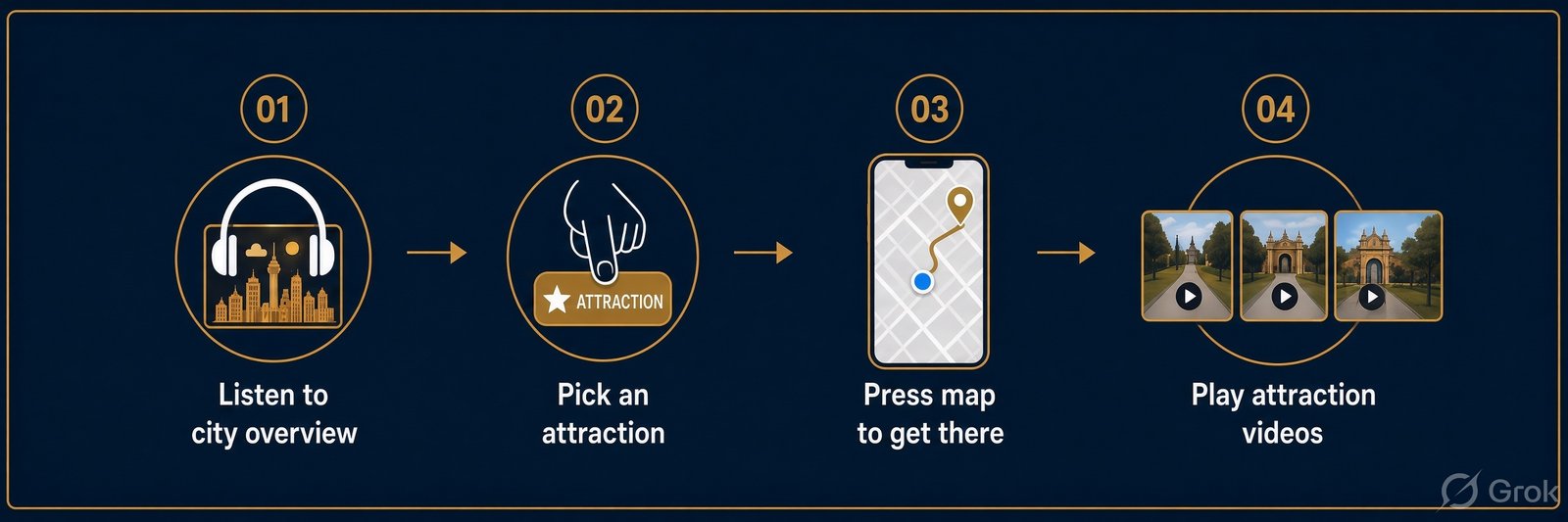
Marrakech, the Red City, was founded by the Almoravids in the 11th century at the foot of the High Atlas. Its ochre walls enclose a medina that is a UNESCO World Heritage Site, full of palaces, souks, gardens and the endless life of Jemaa el Fnaa.
This tour starts in the southern medina with its palaces and royal tombs, passes through the Mellah to the great square and the Koutoubia, then heads north to the Medersa Ben Youssef and Le Jardin Secret before ending at the Majorelle Garden. Each stop has five short films to guide you through it.
1. Bahia Palace
Medina · start here
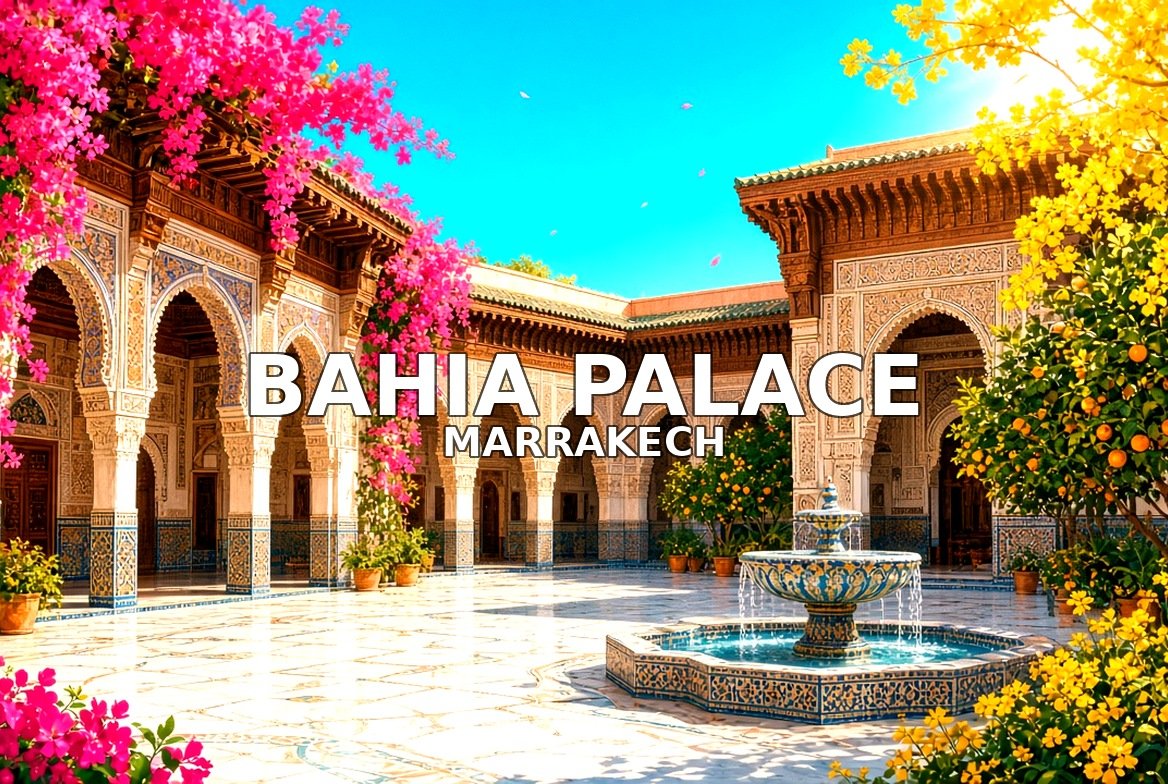
The Bahia Palace was built in the late 19th century for the grand vizier of the sultan. Its name means “brilliance”, and its courtyards, painted cedar ceilings, zellij tilework and shady gardens show the finest Moroccan craftsmanship of the time.
Walk this order. The Entrance and the Garden Approach → The Small Courtyard and Riad → The Grand Courtyard → Painted Ceilings and the Grand Hall → Out Toward El Badi Palace.
03 · Tour · videos inside this sight

The Entrance and the Garden Approach

The Small Courtyard and Riad

The Grand Courtyard

Painted Ceilings and the Grand Hall

Out Toward El Badi Palace
2. El Badi Palace
Kasbah · ruined palace
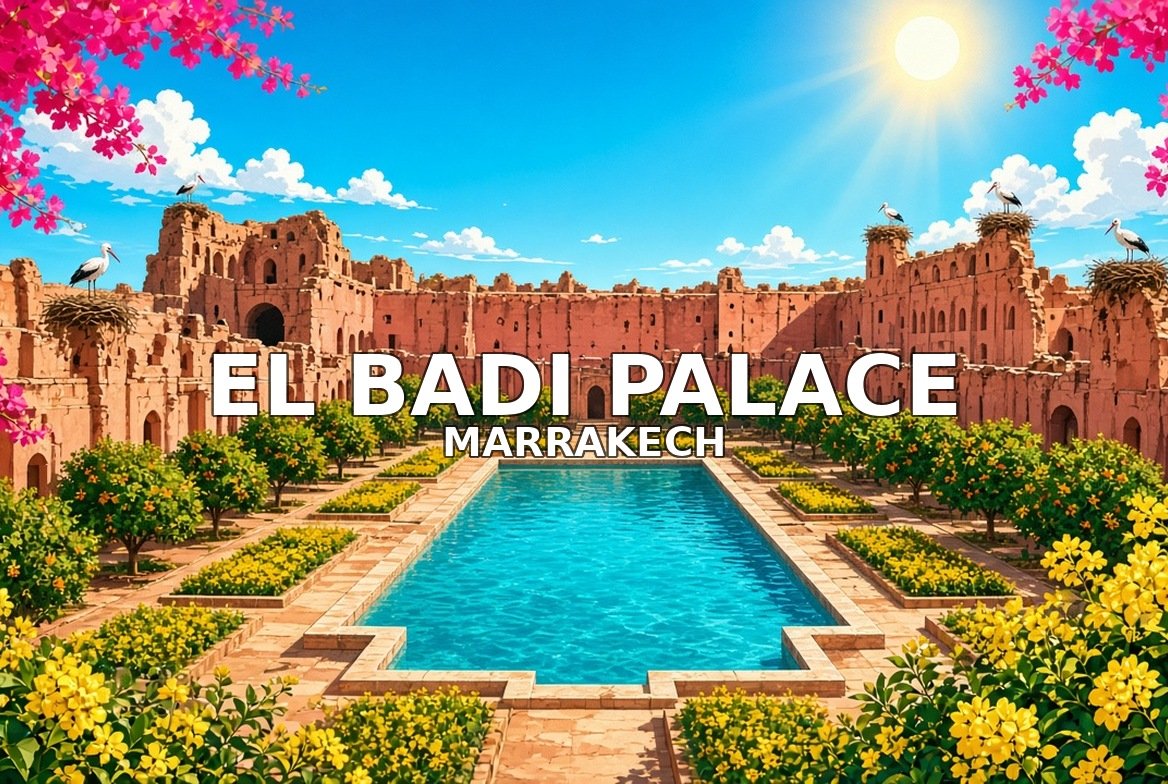
El Badi Palace was built by the Saadian sultan Ahmad al-Mansur in the late 16th century and once dazzled visitors with gold and marble. Today its vast ruined courtyard, sunken gardens and storks nesting on the walls are hauntingly beautiful.
Walk this order. Through the Gate into the Ruins → The Great Courtyard and Sunken Gardens → Ramparts, Terraces and Storks → Pavilions and the Koutoubia Minbar → On to the Saadian Tombs.
03 · Tour · videos inside this sight

Through the Gate into the Ruins

The Great Courtyard and Sunken Gardens

Ramparts, Terraces and Storks

Pavilions and the Koutoubia Minbar

On to the Saadian Tombs
3. Saadian Tombs
Kasbah · royal mausoleum
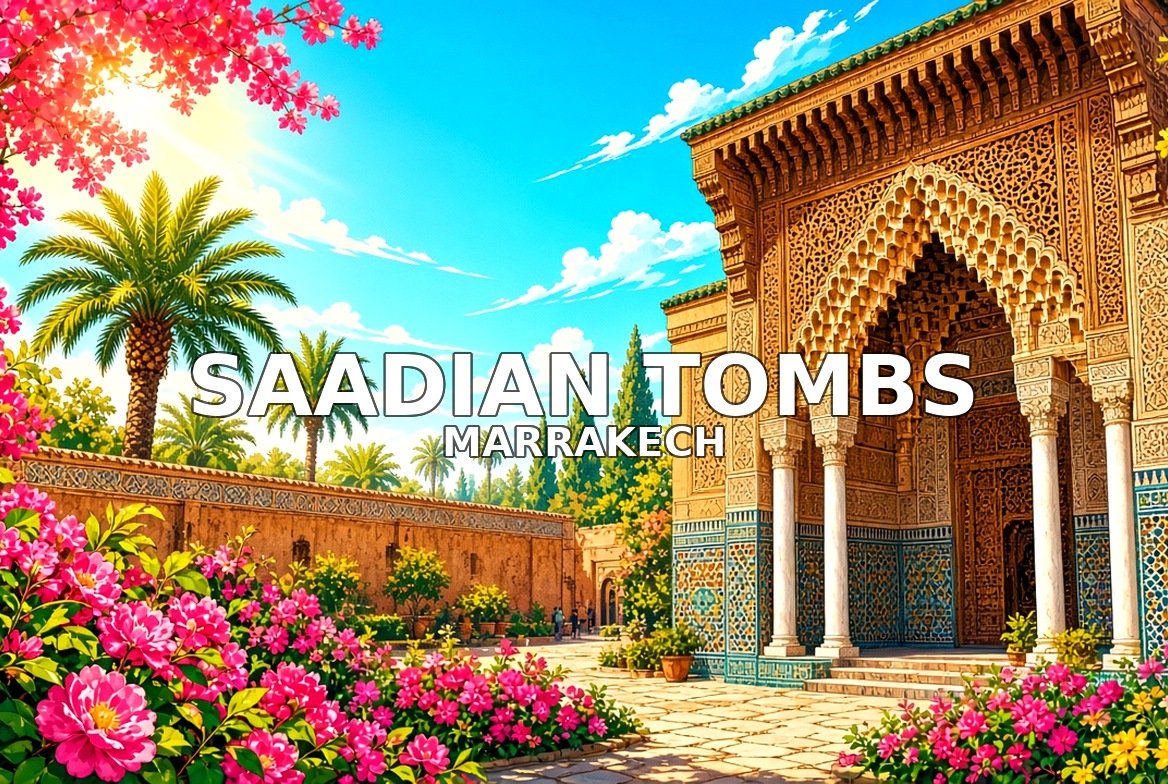
The Saadian Tombs hold the graves of the Saadian dynasty, including Ahmad al-Mansur. Sealed off for centuries and rediscovered in 1917, the Chamber of the Twelve Columns is one of the most richly decorated rooms in Morocco.
Walk this order. The Kasbah Mosque and the Narrow Passage → The Garden of Graves → The Chamber of the Twelve Columns → The Prayer Hall and the Older Mausoleum → Toward the Mellah.
03 · Tour · videos inside this sight

The Kasbah Mosque and the Narrow Passage

The Garden of Graves

The Chamber of the Twelve Columns

The Prayer Hall and the Older Mausoleum

Toward the Mellah
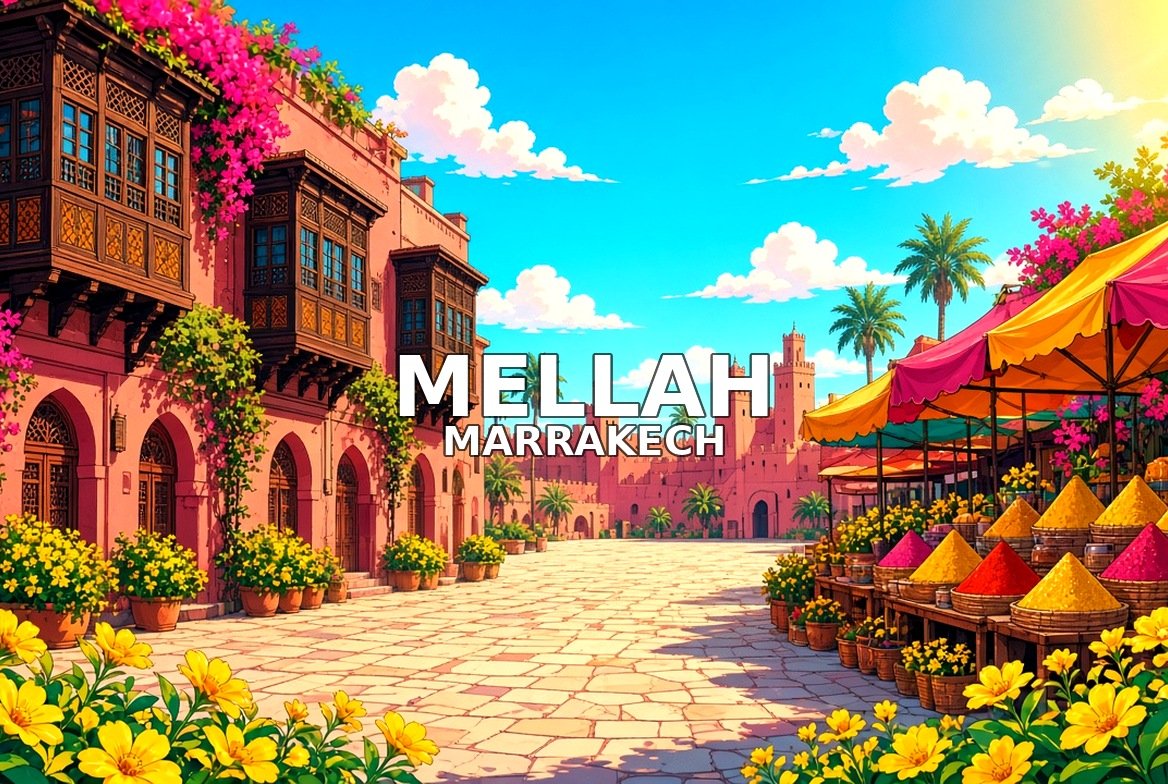
4. Mellah
Old Jewish quarter
The Mellah was the Jewish quarter of Marrakech, founded in the 16th century beside the royal palaces. Walk its narrow lanes and spice market, and visit the Lazama Synagogue and the old Jewish cemetery.
Walk this order. Into the Old Jewish Quarter → The Lazama Synagogue → Markets and Place des Ferblantiers → The Miara Jewish Cemetery → North to Jemaa el Fnaa.
03 · Tour · videos inside this sight

Into the Old Jewish Quarter

The Lazama Synagogue

Markets and Place des Ferblantiers

The Miara Jewish Cemetery

North to Jemaa el Fnaa
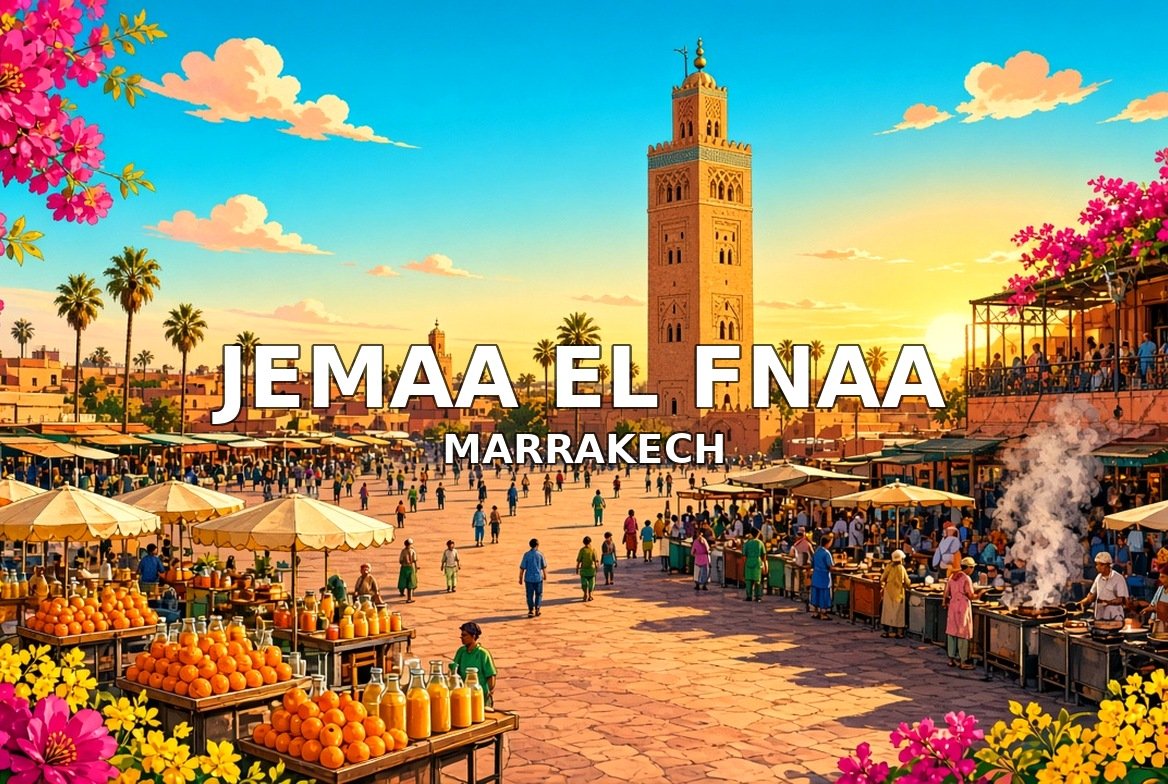
5. Jemaa el Fnaa
Heart of the medina · main square
Jemaa el Fnaa is the beating heart of Marrakech, recognised by UNESCO for its living oral traditions. By day it hosts juice stalls and henna artists; at dusk food stalls, musicians and storytellers fill the square.
Walk this order. Arriving on the Great Square → Daytime Stalls and Performers → Musicians, Storytellers and Heritage → Evening Food Stalls → The View from a Rooftop Terrace.
03 · Tour · videos inside this sight

Arriving on the Great Square

Daytime Stalls and Performers

Musicians, Storytellers and Heritage

Evening Food Stalls

The View from a Rooftop Terrace
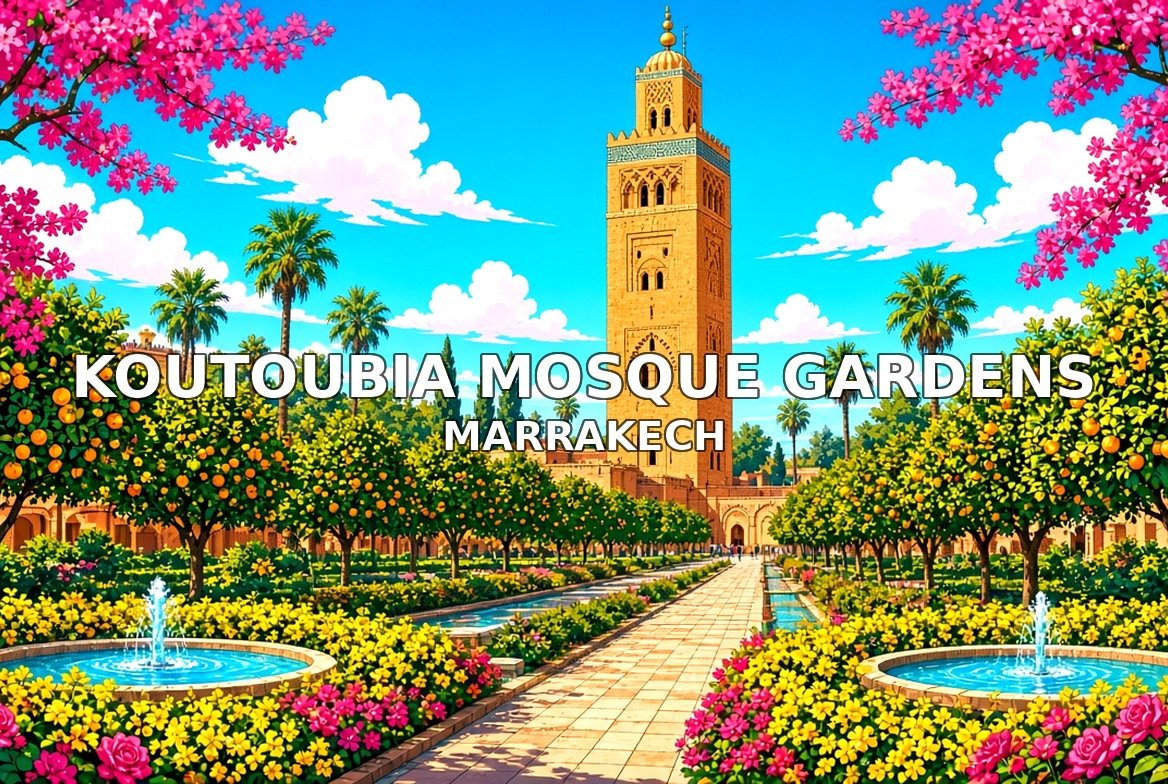
6. Koutoubia Mosque Gardens
Minaret and gardens
The Koutoubia Mosque’s 12th-century minaret, about 77 metres tall, is the city’s great landmark and inspired towers in Seville and Rabat. The gardens around it are a calm place to rest just steps from the square.
Walk this order. The Minaret Above the City → The First Mosque Ruins → The Koutoubia Gardens → Lalla Zohra and the Square Edge → Back Through the Souks.
03 · Tour · videos inside this sight

The Minaret Above the City

The First Mosque Ruins

The Koutoubia Gardens

Lalla Zohra and the Square Edge

Back Through the Souks
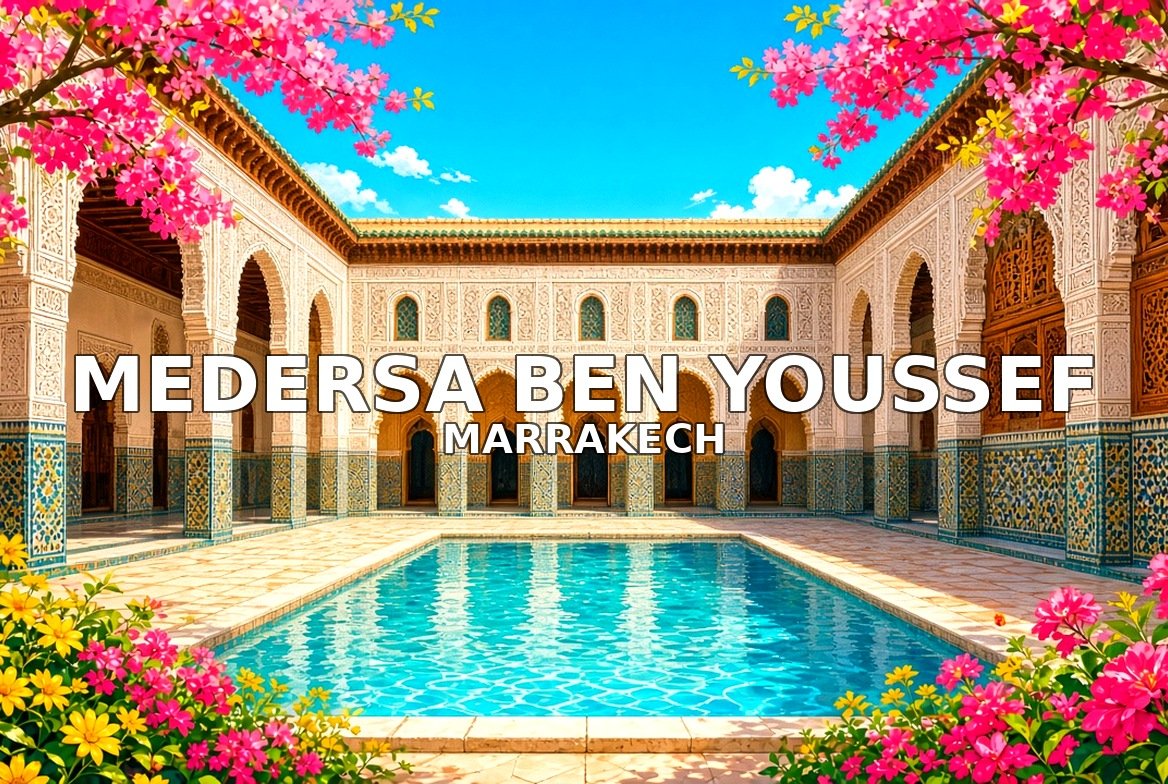
7. Medersa Ben Youssef
Northern medina · Islamic college
The Medersa Ben Youssef was once the largest Islamic college in North Africa. Its courtyard, with a central pool framed by carved stucco, cedar and zellij, and the small student rooms above, are a highlight of the medina.
Walk this order. The Entrance Passage → The Main Courtyard and Pool → Stucco, Cedar and Marble → The Student Rooms Upstairs → The Prayer Hall and the Way Out.
03 · Tour · videos inside this sight

The Entrance Passage

The Main Courtyard and Pool

Stucco, Cedar and Marble

The Student Rooms Upstairs

The Prayer Hall and the Way Out
8. Almoravid Koubba
Northern medina · oldest monument
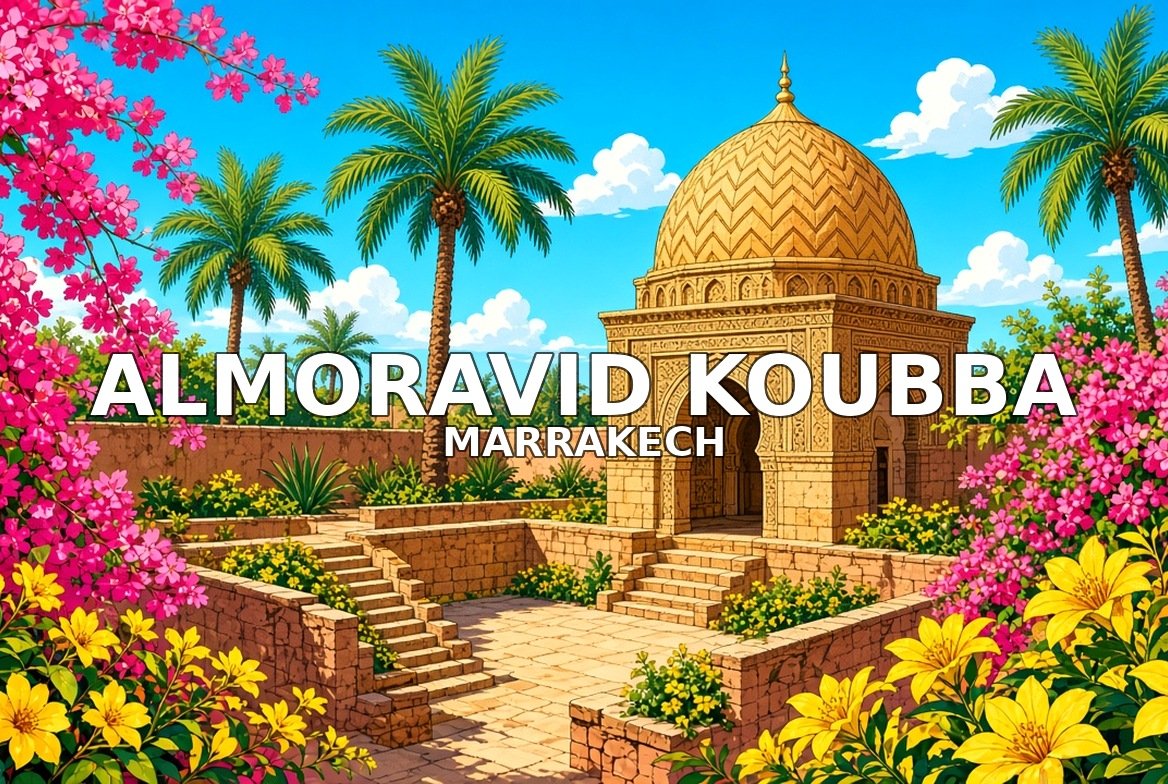
The Almoravid Koubba is a small domed pavilion from the early 12th century, the oldest surviving building in Marrakech. Its carved dome and ablution basin are a rare glimpse of the city’s founding dynasty.
Walk this order. Below Street Level → The Dome from Outside → Inside the Dome → Water and Ablutions → Neighbours: Museum and Mosque.
03 · Tour · videos inside this sight

Below Street Level

The Dome from Outside

Inside the Dome

Water and Ablutions

Neighbours: Museum and Mosque
9. Le Jardin Secret
Medina · restored riad garden
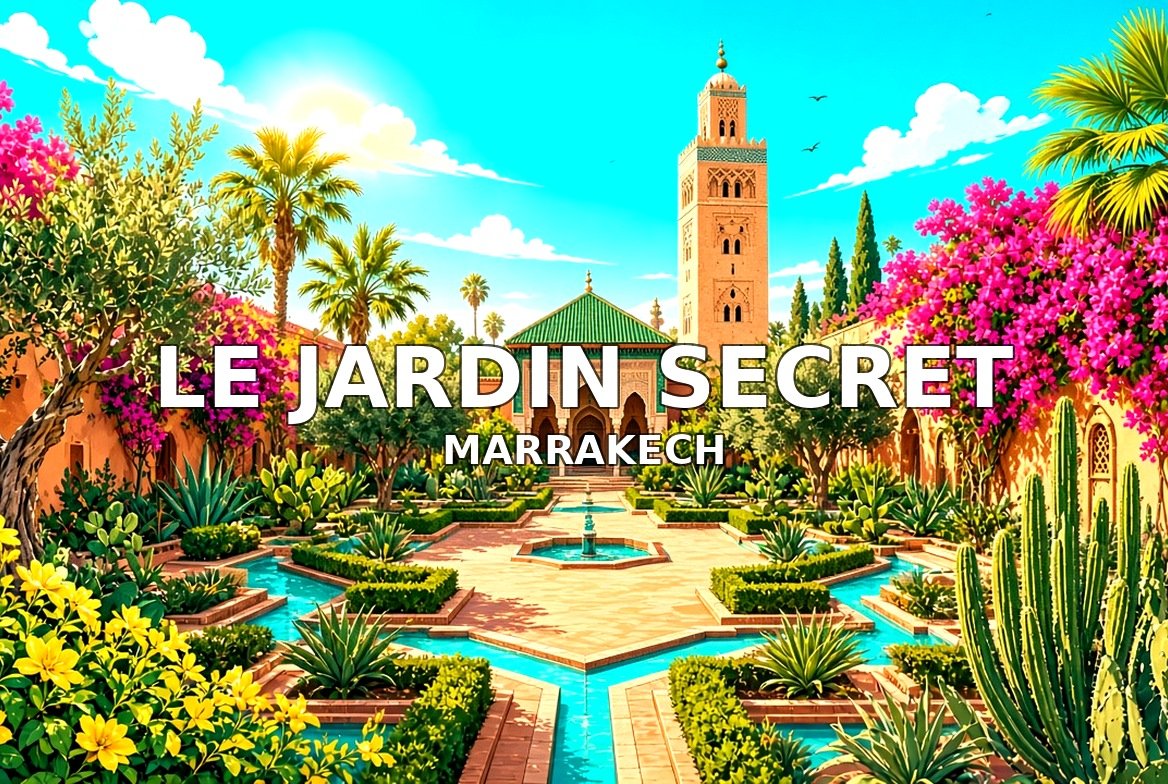
Le Jardin Secret is a restored riad garden in the heart of the medina, with an Islamic garden and an exotic garden fed by the old khettara water channels. Climb the tower for a view over the rooftops.
Walk this order. The Mouassine Entrance → The Exotic Garden → The Islamic Garden and Water Channels → The Tower and Pavilions → Out Toward Majorelle.
03 · Tour · videos inside this sight

The Mouassine Entrance

The Exotic Garden

The Islamic Garden and Water Channels

The Tower and Pavilions

Out Toward Majorelle
10. Majorelle Garden and YSL Museum
Gueliz · gardens and museum · end of the tour
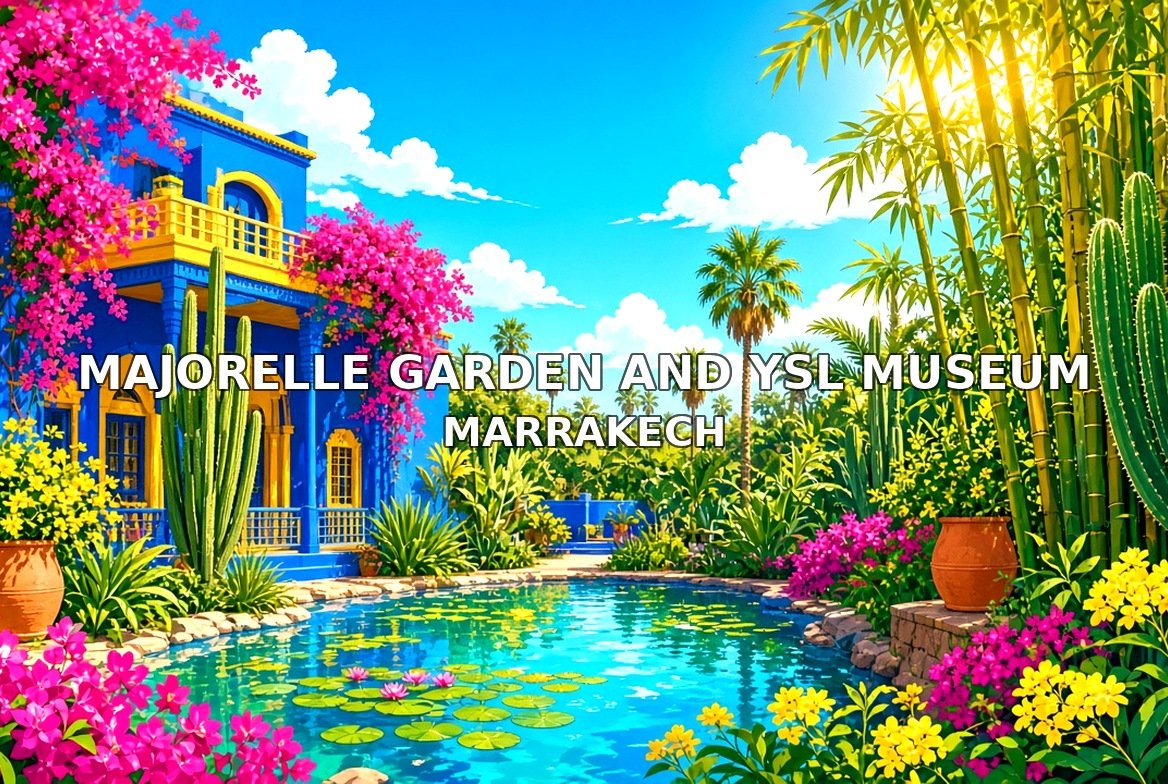
The Majorelle Garden was created by the painter Jacques Majorelle and later saved by Yves Saint Laurent and Pierre Bergé. Its cobalt-blue villa, cacti and bamboo sit beside the YSL Museum, where the tour ends.
Walk this order. The Garden Gate → Cacti, Bamboo and Water → The Blue Villa and the Berber Museum → The Yves Saint Laurent Museum → The End of Our Marrakech Tour.
03 · Tour · videos inside this sight

The Garden Gate

Cacti, Bamboo and Water

The Blue Villa and the Berber Museum

The Yves Saint Laurent Museum

The End of Our Marrakech Tour