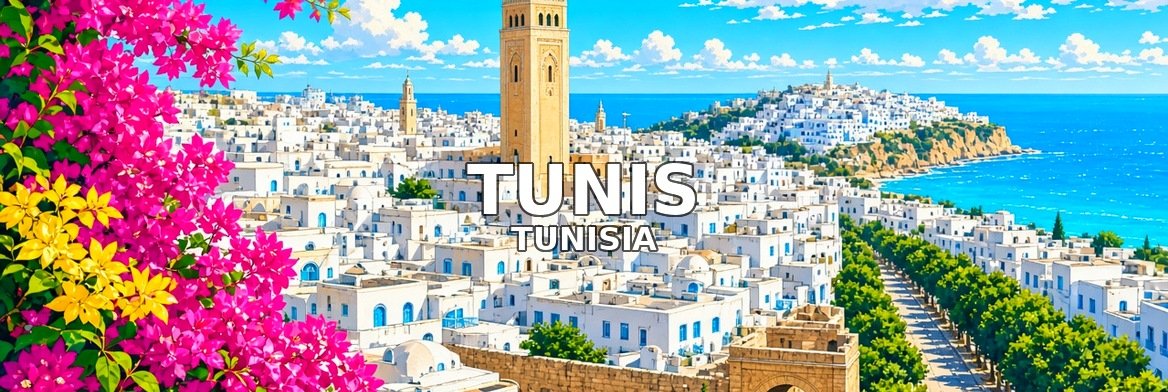
Tunis walking tour banner: Tunis, Tunisia

Tunis Walking Tour: 50 Free Video Stops

Free City Tours
Free City ToursTunis walking tour · freecitytours.org

How to tour Tunis
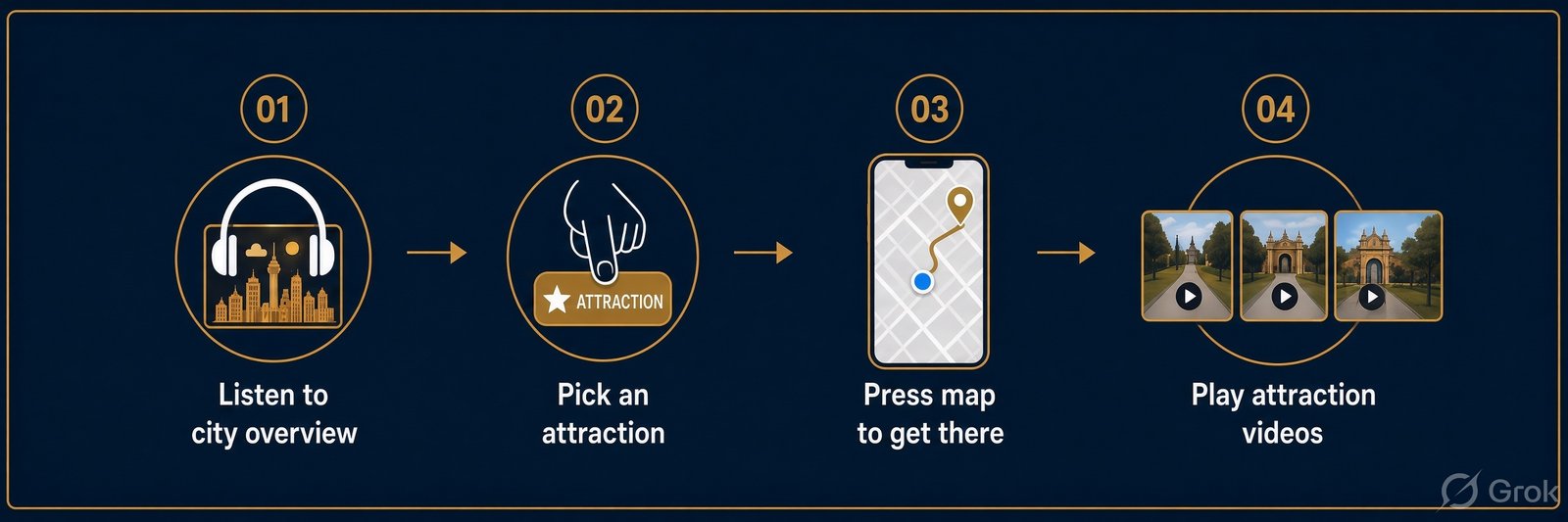
Listen to the city overview, pick an attraction, press map to get there, play the attraction videos

Tunis, the capital of Tunisia, lies on a lagoon off the Gulf of Tunis, close to the ruins of ancient Carthage. Its medina, a UNESCO World Heritage Site, grew around the Zitouna Mosque from the 8th century and still holds hundreds of palaces, mosques, mausoleums and souks.

This tour enters the medina through Bab el Bhar, winds through the souks to the Zitouna Mosque and the palaces and tombs of the southern medina, visits the Bardo Museum, and ends among the ruins of Carthage and the blue and white lanes of Sidi Bou Said. Each stop has five short films to guide you through it.

1. Tunis walking tour: Bab el Bhar

Place de la Victoire · start here
Map
Bab el Bhar, the Sea Gate, stands between the French-built new town and the old medina. Also called the Porte de France, it is the classic starting point for exploring the old city. Walk this order. The Gate From Avenue Habib Bourguiba → Stone Arch and French Colonial Face → Crossing Into the Medina → Place de la Victoire and First Lanes → On Toward the Zitouna Mosque.
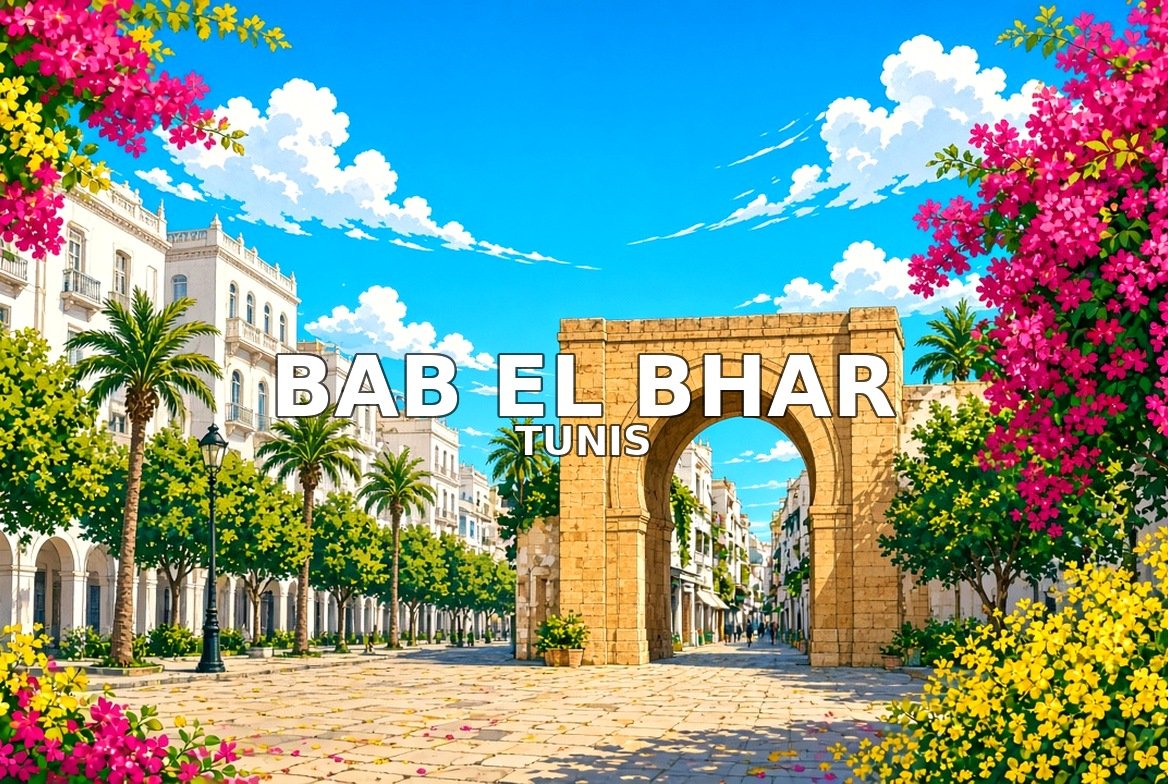
Bab el Bhar Tunis
03 · Tour · videos inside this sight
The Gate From Avenue Habib Bourguiba
Stone Arch and French Colonial Face
Crossing Into the Medina
Place de la Victoire and First Lanes
On Toward the Zitouna Mosque

2. Tunis walking tour: Zitouna Mosque

Heart of the medina · great mosque
Map
The Zitouna Mosque is the oldest and largest mosque in Tunis, founded in the 8th century. Its courtyard, columns taken from ancient Carthage and its square minaret mark the spiritual heart of the medina. Walk this order. Approaching the Great Mosque → Courtyard, Columns and Arcades → The Minaret Above the Medina → University Legacy and Side Doors → Out Toward Medersa Slimania.
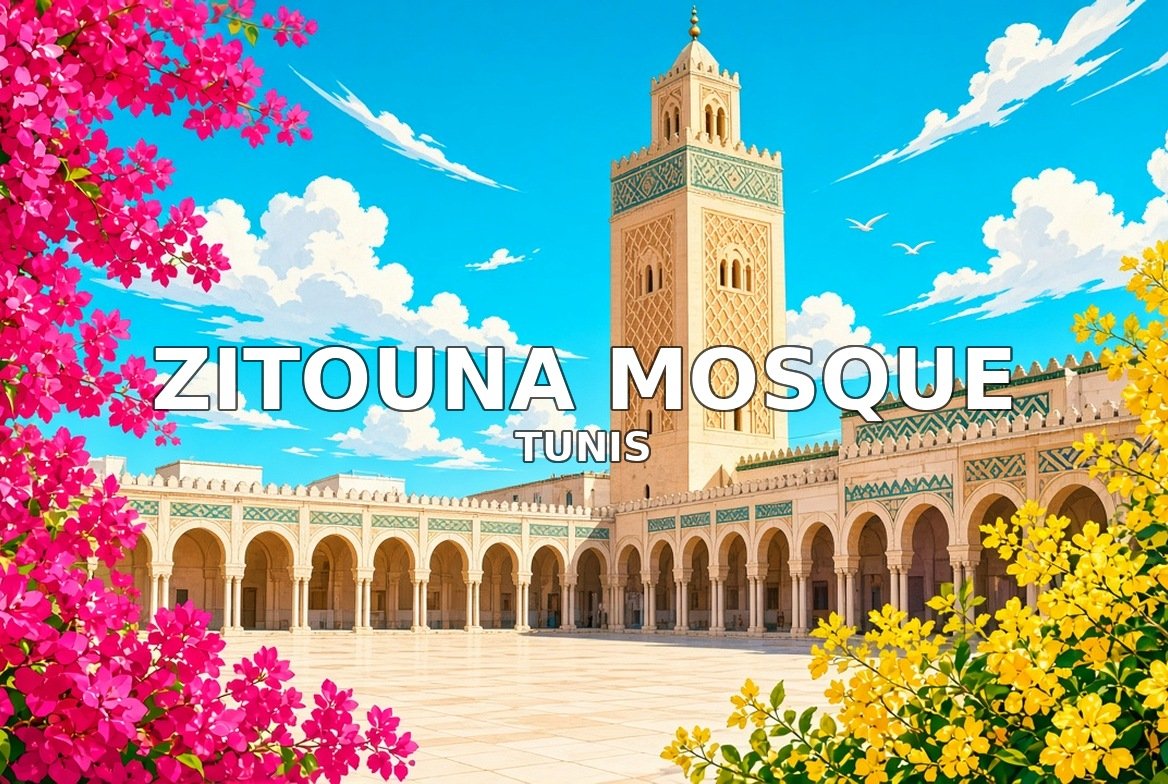
Zitouna Mosque Tunis
03 · Tour · videos inside this sight
Approaching the Great Mosque
Courtyard, Columns and Arcades
The Minaret Above the Medina
University Legacy and Side Doors
Out Toward Medersa Slimania

3. Tunis walking tour: Medersa Slimania

Beside the Zitouna · Ottoman college
Map
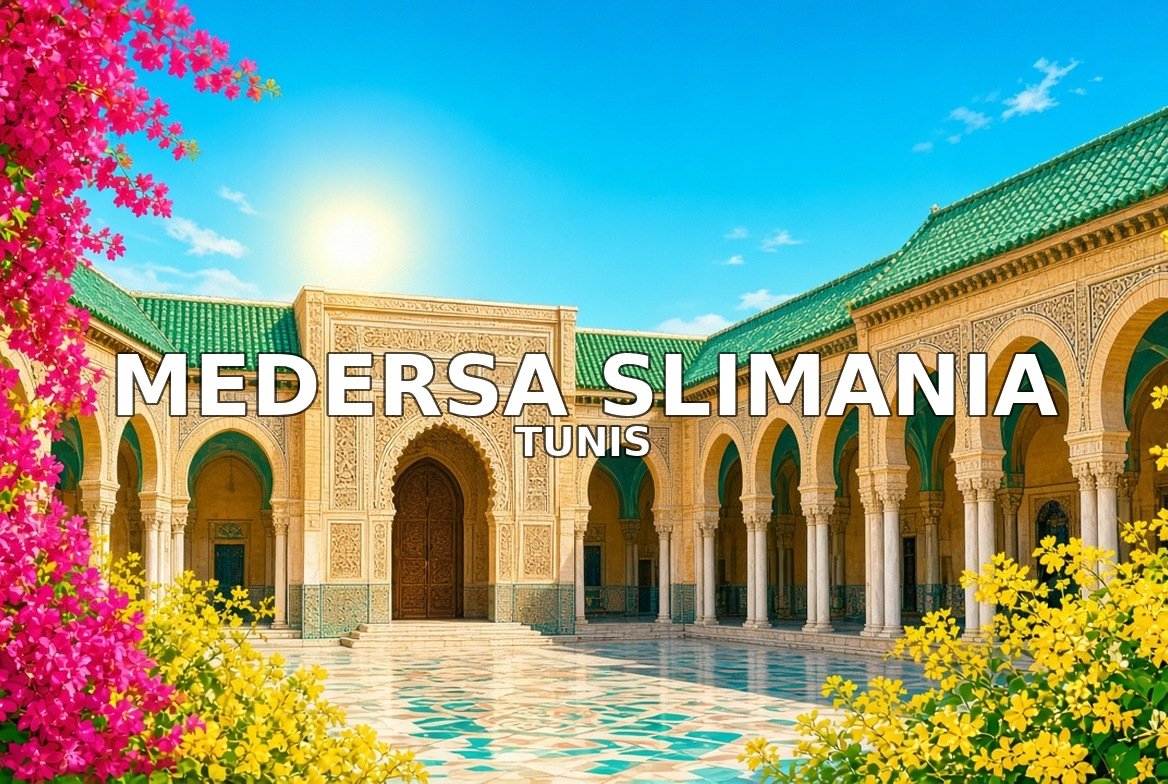
The Medersa Slimania was built in the 18th century as a college beside the Zitouna Mosque. Its arcaded courtyard, tilework and green-tiled dome are a fine example of Ottoman-era Tunisian architecture. Walk this order. Finding the College Beside Zitouna → Courtyard and Zellige Tilework → Student Cells and Study Rooms → Founders and Hafsid Learning → On Into Souk el Attarine.
Medersa Slimania Tunis
03 · Tour · videos inside this sight
Finding the College Beside Zitouna
Courtyard and Zellige Tilework
Student Cells and Study Rooms
Founders and Hafsid Learning
On Into Souk el Attarine

4. Tunis walking tour: Souk el Attarine

Medina · perfume souk
Map
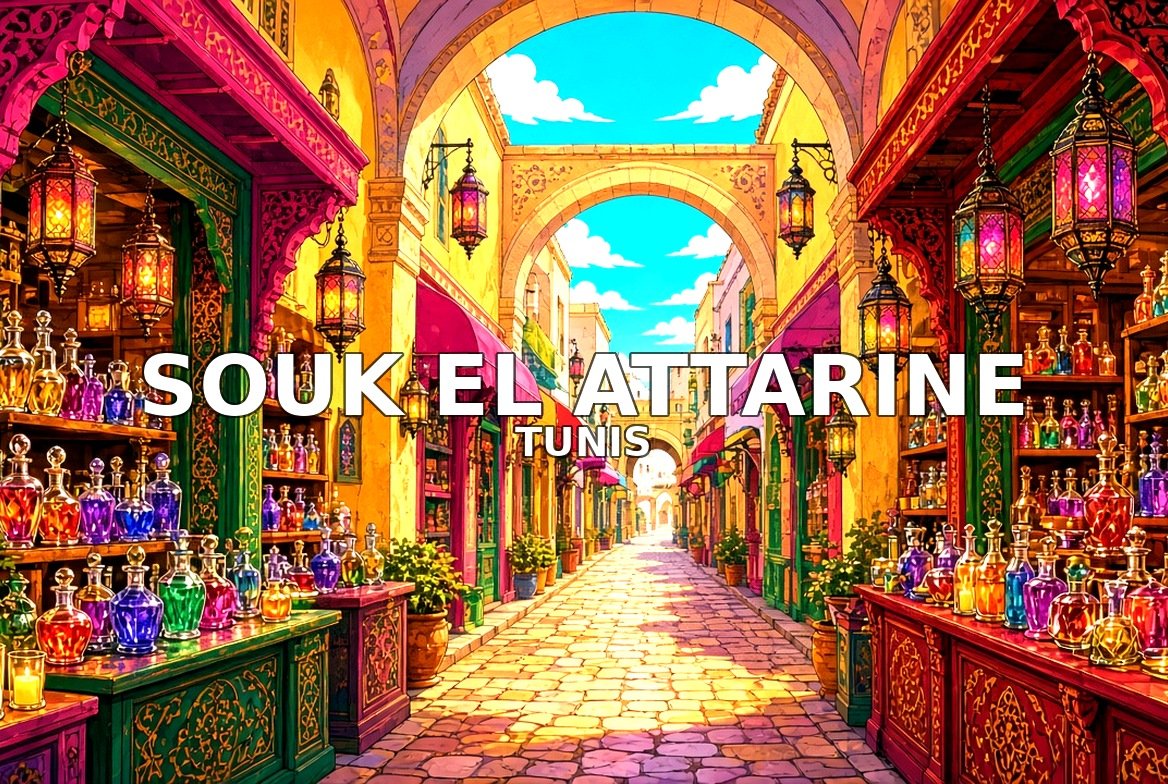
Souk el Attarine, the perfume makers’ souk, lies beside the Zitouna Mosque. Its covered lane is lined with stalls selling essences, incense, henna and candles, as it has been since the 13th century. Walk this order. Entering the Perfume Souk → Vaults, Stalls and Spice Light → Jasmine, Musk and Traditional Craft → Side Passages Toward Other Souks → On to Dar Ben Abdallah.
Souk el Attarine Tunis
03 · Tour · videos inside this sight
Entering the Perfume Souk
Vaults, Stalls and Spice Light
Jasmine, Musk and Traditional Craft
Side Passages Toward Other Souks
On to Dar Ben Abdallah

5. Tunis walking tour: Dar Ben Abdallah

Southern medina · palace museum
Map
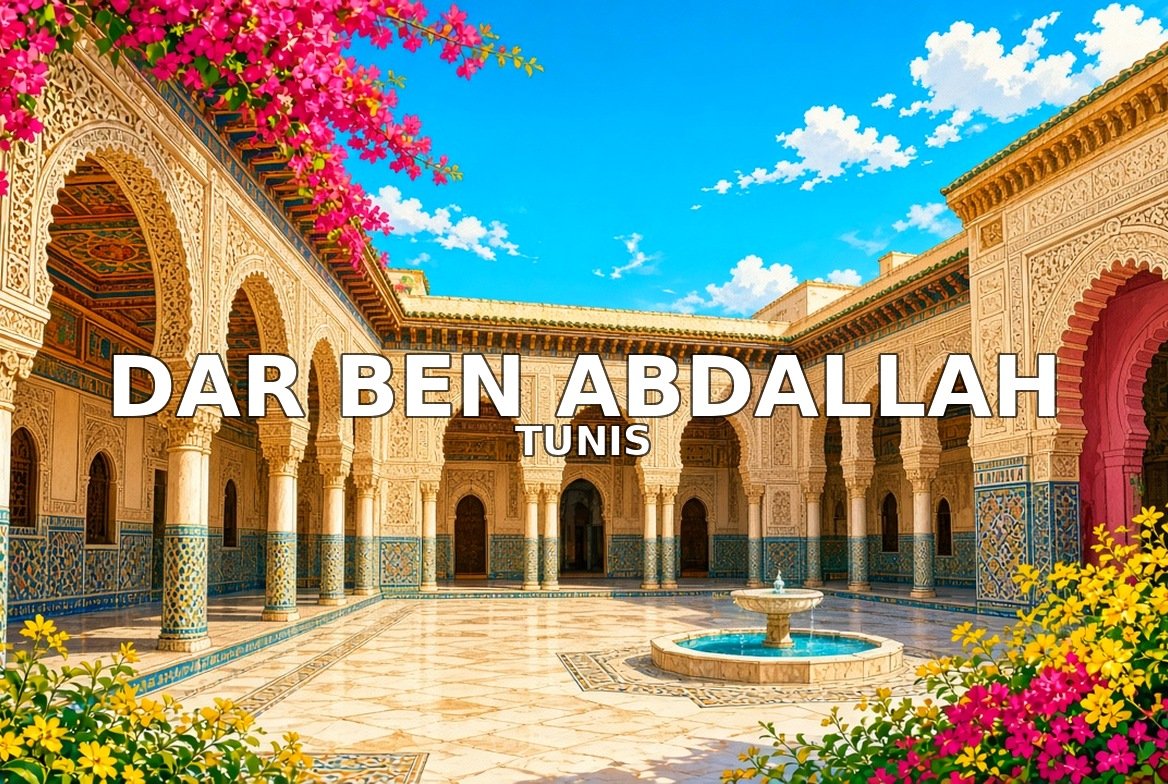
Dar Ben Abdallah is an 18th-century palace in the southern medina, now a museum of traditional life. Its marble courtyard, painted ceilings and furnished rooms show how wealthy Tunis families once lived. Walk this order. The Palace Door and Street Face → Patio, Fountain and Tiled Walls → Reception Rooms and Painted Ceilings → Costume and Traditions Museum → Out Toward Bab Jedid.
Dar Ben Abdallah Tunis
03 · Tour · videos inside this sight
The Palace Door and Street Face
Patio, Fountain and Tiled Walls
Reception Rooms and Painted Ceilings
Costume and Traditions Museum
Out Toward Bab Jedid

6. Tunis walking tour: Bab Jedid

Southern medina · old gate
Map
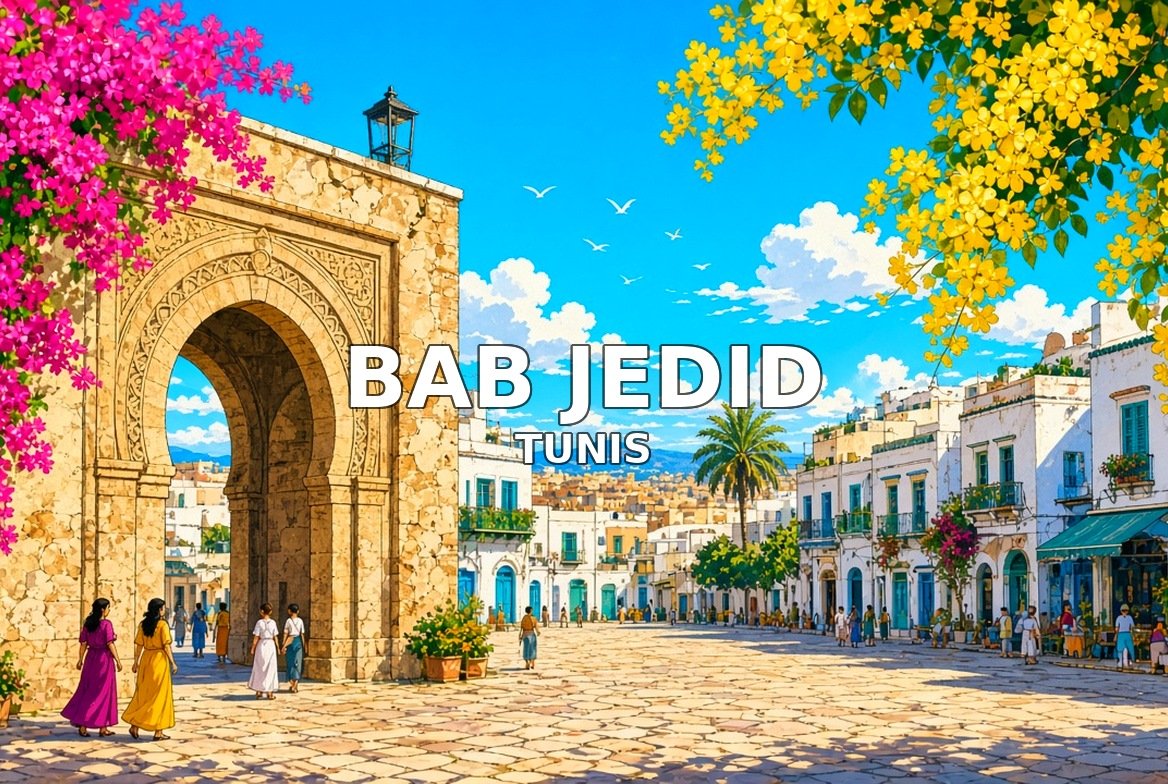
Bab Jedid, the “New Gate”, was built in the 13th century in the southern wall of the medina. The streets around it are home to blacksmiths, metalworkers and busy neighbourhood life. Walk this order. Reaching the Southern Gate → Arch, Walls and Defensive Line → Street Life Around the Gate → Looking Back Into the Medina → On Toward Tourbet el Bey.
Bab Jedid Tunis
03 · Tour · videos inside this sight
Reaching the Southern Gate
Arch, Walls and Defensive Line
Street Life Around the Gate
Looking Back Into the Medina
On Toward Tourbet el Bey

7. Tourbet el Bey

Southern medina · royal mausoleum
Map
Tourbet el Bey is the royal mausoleum of the Husainid beys who ruled Tunisia from the 18th century. Its green-tiled domes cover rooms richly decorated with tiles, marble and carved stucco. Walk this order. Green Domes Above the Lane → Entrance and Courtyard Threshold → Tombs of the Husainid Beys → Tile, Stucco and Funerary Art → Out Toward the Bardo Museum.

Tourbet el Bey Tunis
03 · Tour · videos inside this sight
Green Domes Above the Lane
Entrance and Courtyard Threshold
Tombs of the Husainid Beys
Tile, Stucco and Funerary Art
Out Toward the Bardo Museum

8. Bardo Museum

Le Bardo · mosaic museum
Map
The Bardo Museum, in a former beylical palace, holds one of the world’s finest collections of Roman mosaics. Its halls also tell the story of Tunisia from prehistoric and Punic times to the Islamic era. Walk this order. Palace Exterior and Gardens → Roman Mosaic Halls → Carthage and the Great Pieces → Islamic Rooms and Palace Décor → On Toward Carthage and Byrsa Hill.
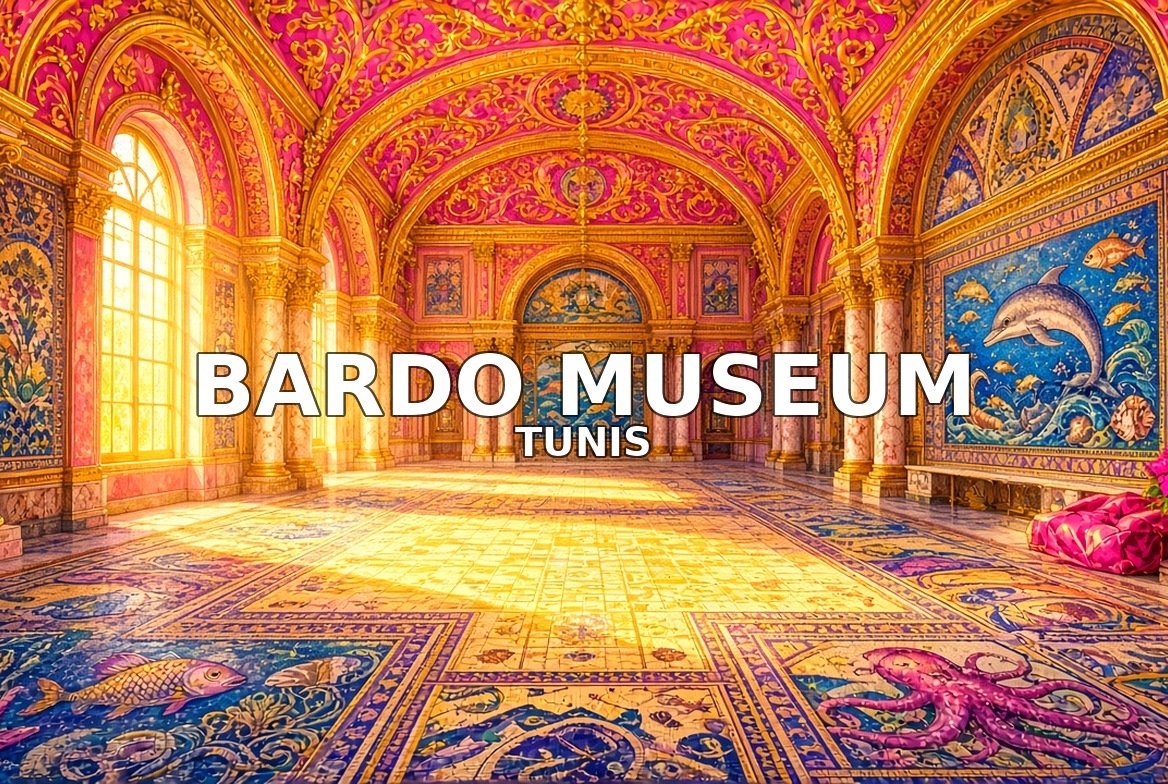
Bardo Museum Tunis
03 · Tour · videos inside this sight
Palace Exterior and Gardens
Roman Mosaic Halls
Carthage and the Great Pieces
Islamic Rooms and Palace Décor
On Toward Carthage and Byrsa Hill

9. Carthage Byrsa Hill

Carthage · Punic and Roman city
Map
Byrsa Hill was the citadel of ancient Carthage, the great Phoenician city destroyed by Rome in 146 BC and rebuilt as a Roman colony. Punic ruins, the Carthage Museum and the Cathedral of Saint Louis crown the hill. Walk this order. Climbing Byrsa and First Views → Punic Neighbourhood Beneath the Hill → Saint Louis Cathedral and Museum → Roman Carthage on the Heights → Down Toward the Antonine Baths.
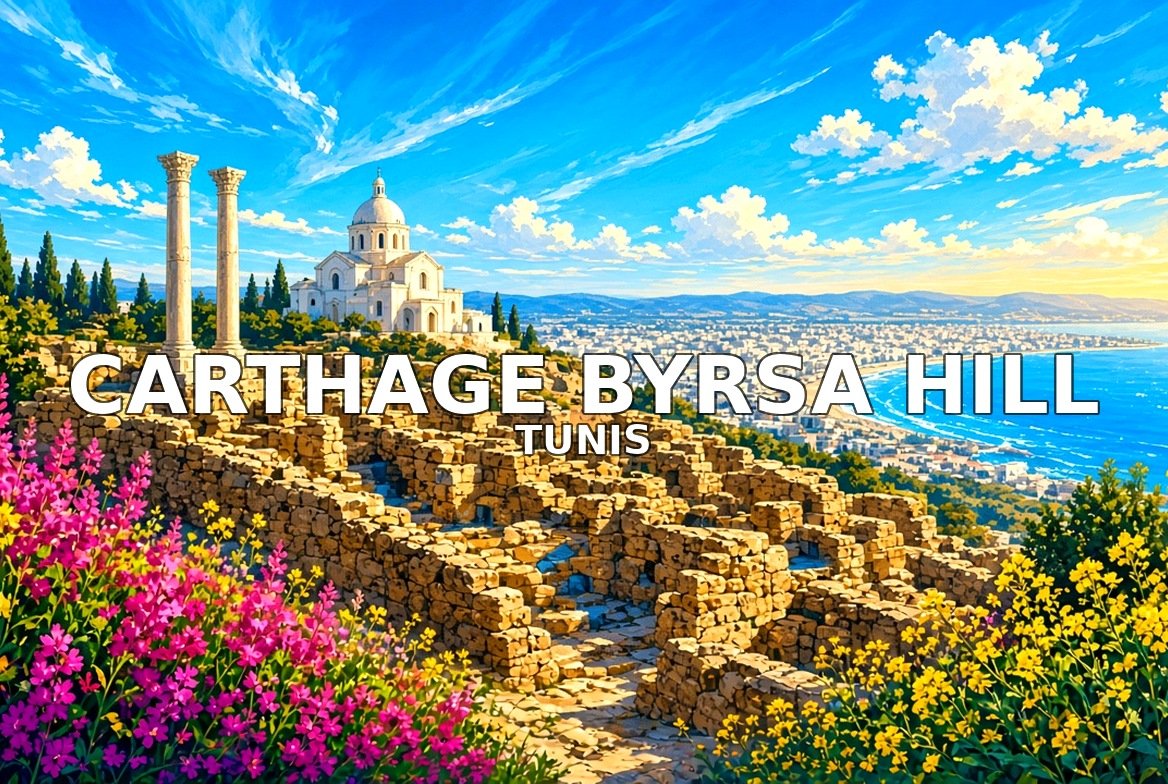
Carthage Byrsa Hill Tunis
03 · Tour · videos inside this sight
Climbing Byrsa and First Views
Punic Neighbourhood Beneath the Hill
Saint Louis Cathedral and Museum
Roman Carthage on the Heights
Down Toward the Antonine Baths

10. Antonine Baths and Sidi Bou Said

Carthage and Sidi Bou Said · end of the tour
Map
The Antonine Baths, built in the 2nd century, were the largest Roman baths in Africa, set right on the sea. Nearby, the clifftop village of Sidi Bou Said, with its white walls and blue doors, is where the tour ends. Walk this order. Antonine Baths by the Sea → Vaults, Halls and Bathing Ritual → Coast Path Toward Sidi Bou Said → Blue Doors and Whitewashed Lanes → Cafés, Views and Farewell to Tunis.
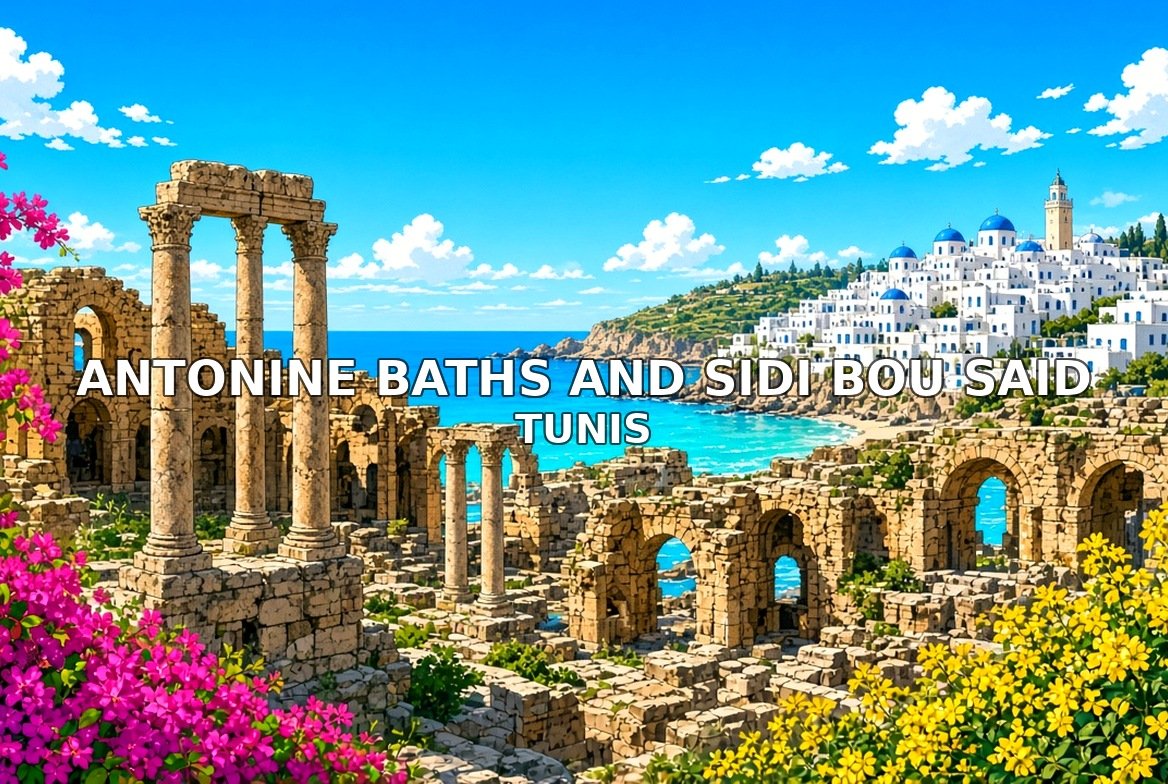
Antonine Baths and Sidi Bou Said Tunis
03 · Tour · videos inside this sight
Antonine Baths by the Sea
Vaults, Halls and Bathing Ritual
Coast Path Toward Sidi Bou Said
Blue Doors and Whitewashed Lanes
Cafés, Views and Farewell to Tunis

Tunis Walking Tour Overview Detail

This Tunis walking tour links 10 sights and 50 short video stops narrated by Clarissa, from the Sea Gate of the medina to the ruins of Carthage and the blue doors of Sidi Bou Said. The notes below turn those stops into practical day plans, with walking order, transport, etiquette and the free sights worth knowing before you go. For official visitor information, also check Discover Tunisia, the official site of the Tunisian National Tourist Office.

Best routes for your Tunis walking tour using the 50 stops

Route 1, into the medina (stops 1 to 4). Start at Bab el Bhar, the Sea Gate on Place de la Victoire, also called the Porte de France, where the French-built new town meets the old city. Watch the gate from Avenue Habib Bourguiba, then cross into the first lanes and follow Rue Jamaa ez Zitouna uphill to the Zitouna Mosque, founded in the 8th century and still the heart of the medina. The Medersa Slimania, an 18th-century college with a green-tiled dome, stands beside it, and Souk el Attarine, the perfume makers' souk, runs along the mosque wall.

Route 2, the southern medina (stops 5 to 7). From the souks, walk south to Dar Ben Abdallah, an 18th-century palace now used as a museum of traditional life, with a marble courtyard and painted ceilings. Continue to Bab Jedid, the 13th-century New Gate in the southern wall, where blacksmiths and metalworkers still fill the streets. Finish at Tourbet el Bey, the mausoleum of the Husainid beys, with its green-tiled domes and rooms of tile, marble and carved stucco. These lanes are quieter than the souks and reward slow walking.

Route 3, the Bardo (stop 8). Give the Bardo Museum a half day of its own. Housed in a former beylical palace west of the centre, it holds one of the world's finest collections of Roman mosaics, along with Punic, Christian and Islamic rooms. The museum is closed on Mondays and has had long closures in recent years, so confirm that it is open before you cross the city.

Route 4, Carthage and Sidi Bou Said (stops 9 and 10). Take the TGM light railway from Tunis Marine to Carthage and climb Byrsa Hill, the citadel of the Phoenician city that Rome destroyed in 146 BC and later rebuilt. See the Punic quarter, the Carthage Museum and the Cathedral of Saint Louis, then walk down to the Antonine Baths, the largest Roman baths in Africa, right on the sea. Ride the TGM a few stops further to Sidi Bou Said for the white walls, blue doors and clifftop cafés.

If you only have one day, Routes 1 and 2 give the best Tunis walking tour on foot, because the medina stops sit within a short walk of each other. A three-day Tunis walking tour works well as the medina on day one, the Bardo on the morning of day two, and Carthage with a sunset in Sidi Bou Said on day three.

For photos, the best free viewpoints on this Tunis walking tour are the arch of Bab el Bhar seen from Avenue Habib Bourguiba, the green domes of Tourbet el Bey from the lane outside, the view over the Gulf of Tunis from the top of Byrsa Hill and the bay from the cafés of Sidi Bou Said at sunset. Some medina shops have rooftop terraces with views over the minarets; enjoy them, but you are under no obligation to buy anything.

Best times and transport for a Tunis walking tour

Spring and autumn are the most comfortable seasons for a long Tunis walking tour. Summers are hot, so walk the medina in the morning and save Sidi Bou Said for the late afternoon breeze. Winters are mild but can be wet. During Ramadan, many cafés and some shops close during the day and the medina comes alive after sunset, so check the dates if you are planning around food.

The medina is busiest in the late morning, when the souks are full and deliveries squeeze through the lanes. Many medina shops close on Sundays, and the Zitouna Mosque is busiest at Friday midday prayers, when visitors should keep away. Check the opening days of Dar Ben Abdallah, Tourbet el Bey and the Bardo on official sources before your Tunis walking tour, since smaller monuments can close without much notice.

The TGM suburban railway is the easiest way to reach Carthage and Sidi Bou Said, and it runs from Tunis Marine at the end of Avenue Habib Bourguiba. The light-rail metro links the centre with Le Bardo, and yellow city taxis are plentiful and cheap; ask the driver to use the meter. Carthage's ruins are spread out over several stations, so plan to walk between them or take a short taxi ride.

Use the Map button at each stop to check walking time. The medina lanes twist and many have no street signs, so download an offline map and choose a landmark, such as the Zitouna minaret, to orient yourself on your Tunis walking tour.

Etiquette, food and safety on your Tunis walking tour

Dress modestly in the medina: cover shoulders and knees, and bring a light scarf. Non-Muslim visitors usually cannot enter the prayer halls of working mosques, including the Zitouna, and may only see the courtyard from a viewing point at set times. Ask before photographing people, especially craftsmen in their workshops. A few words of French or Arabic, such as “Bonjour” or “Aslema”, are warmly received.

For food, try brik, a crisp pastry with egg and tuna, lablabi, the chickpea soup eaten for breakfast, and couscous with fish or lamb. In the souks, look for makroudh pastries filled with dates, and finish with mint tea topped with pine nuts. In Sidi Bou Said, the hilltop Café des Nattes and the clifftop Café des Délices are classic stops, and bambalouni doughnuts are sold hot along the main street. A small tip is appreciated in cafés and restaurants on a Tunis walking tour.

Tunis is generally welcoming, but medina touts are common. Be wary of strangers who tell you a sight is closed, offer to show you a rooftop view, or insist there is a special festival today; these usually end in a carpet or perfume shop. A polite “La, shukran” (no, thank you) and walking on works best. Bargaining is normal in the souks, so agree on a price before you buy.

Around the Antonine Baths, a presidential palace stands nearby, and photography toward it is not allowed, so follow the signs and guards. The Tunisian dinar cannot legally be taken out of the country, so change only what you need, keep your exchange receipts and carry cash for small purchases, since many medina shops do not take cards.

Free sights, tickets and accessibility on a Tunis walking tour

Several stops cost nothing at all. Bab el Bhar, Avenue Habib Bourguiba, Bab Jedid, the souks and the lanes of the medina are free to walk, and the streets of Sidi Bou Said are free to explore. The Bardo Museum, Tourbet el Bey and the Carthage sites need tickets, and a combined pass usually covers several Carthage monuments. That is why this free walking tour Tunis visitors can start at any hour works well: the 50 videos are free, and you only pay for what you choose to enter.

Ticket rules, prices and opening days change, so confirm the details at each ticket office or on official sources before your Tunis walking tour. Licensed guides can be booked through the tourist office, which is a good choice if you want to see medina interiors that are hard to find alone.

For accessibility, Avenue Habib Bourguiba is wide and level, and the Bardo Museum is the most manageable major stop for visitors with limited mobility. The medina has uneven paving, steps and narrow, crowded lanes, Byrsa Hill is a steep climb, and Sidi Bou Said is built on a slope with cobbled streets. Taxis can drop you close to most entrances, which helps on a slower Tunis walking tour.

When you finish this Tunis walking tour, carry on with more free walks around the Mediterranean and North Africa: the Fez walking tour, the Marrakech walking tour, the Cairo walking tour and the Rome walking tour. You can browse every city on the Free City Tours home page.

Tunis walking tour FAQ

Is this Tunis walking tour really free?

Yes. All 50 video stops on this Tunis walking tour are free to watch, and the medina lanes, the souks, Bab el Bhar and the streets of Sidi Bou Said are free to walk. You only pay for the sights you choose to enter, such as the Bardo Museum or the Carthage ruins. It is a genuine free walking tour Tunis visitors can follow at their own pace.

How long does the Tunis walking tour take?

Allow two to three days: one for the medina, half a day for the Bardo Museum, and a day for Carthage and Sidi Bou Said. With one day, follow Routes 1 and 2 through the medina.

Where does the Tunis walking tour start?

It starts at Bab el Bhar, the Sea Gate on Place de la Victoire, with the video of the gate from Avenue Habib Bourguiba. You can join at any stop, because each one has its own Map button and five short videos.

Is the Tunis walking tour suitable for children and wheelchair users?

Partly. Children enjoy the souks, the mosaics at the Bardo and the sea views at Carthage. Wheelchair users will find Avenue Habib Bourguiba and the Bardo the easiest stops, while the medina, Byrsa Hill and Sidi Bou Said have steps, slopes and uneven paving.

Do I need an app or mobile data for the Tunis walking tour?

You don't need an app. Open this page in your phone's browser and play the videos as you walk. The videos stream, so use mobile data or café Wi-Fi, or watch them at your hotel the night before, and keep an offline map for the medina.