
Adelaide Walking Tour: 50 Free Video Stops

Free City ToursAdelaide walking tour · freecitytours.org
How to tour Adelaide
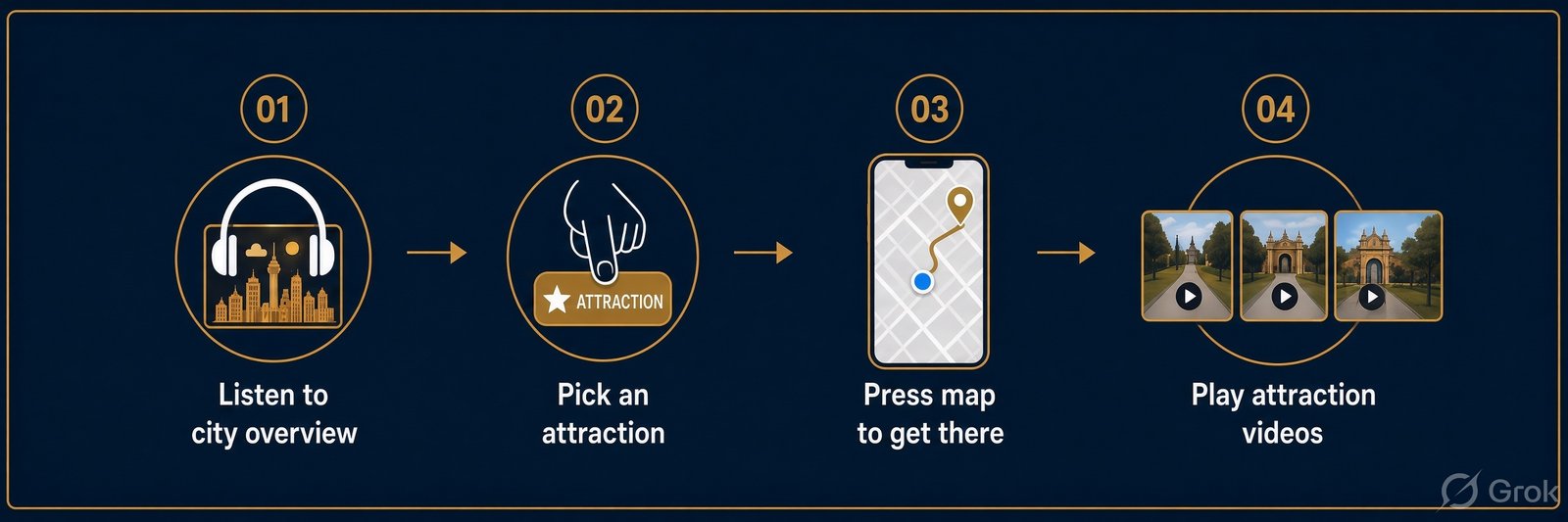
Adelaide sits on a grid between the parklands, with the Torrens on the north side and the hills to the east. Victoria Square is the centre of that grid.
The Central Market and Gouger Street are the south-west food block. Rundle Mall and Rundle Street run east. North Terrace holds the gallery, the museum and the Migration Museum, with the Botanic Garden beyond. The Oval is across the river.
On this Adelaide walking tour you start in the market, cross the square, take Gouger Street, then the arcade and the mall. Go east on Rundle Street, north to the gallery and the museum, through the Migration Museum into the garden, and finish on the footbridge at Adelaide Oval.
1. Adelaide walking tour: Central Market
Grote Street · start here · 40–60 minutes
On this Adelaide walking tour, the Central Market has traded on this block since 1869. The sheds are the produce hall between Grote and Gouger. Tuesday, Thursday, Friday and Saturday are the full market days. Free to walk.
Walk this order. A Market Since 1869 → Inside the Produce Halls → Cheese, Smallgoods and Bread → Coffee and Breakfast at the Stalls → Chinatown and the Market Edge.

03 · Tour · videos inside this sight

A Market Since 1869

Inside the Produce Halls

Cheese, Smallgoods and Bread

Coffee and Breakfast at the Stalls

Chinatown and the Market Edge
2. Victoria Square
From stop 1 · 3 minutes east · 15–25 minutes
Along this Adelaide walking tour, Victoria Square, also called Tarntanyangga, is the centre of the city grid. The law courts sit on the south side. The square is free.
Walk this order. The Centre of Light’s Plan → Tarntanyangga and the Kaurna Story → The Three Rivers Fountain → Statues of the Colony → Courts, Post Office and Tram.

03 · Tour · videos inside this sight

The Centre of Light’s Plan

Tarntanyangga and the Kaurna Story

The Three Rivers Fountain

Statues of the Colony

Courts, Post Office and Tram
3. Gouger Street
From stop 2 · 2 minutes west · 20–30 minutes
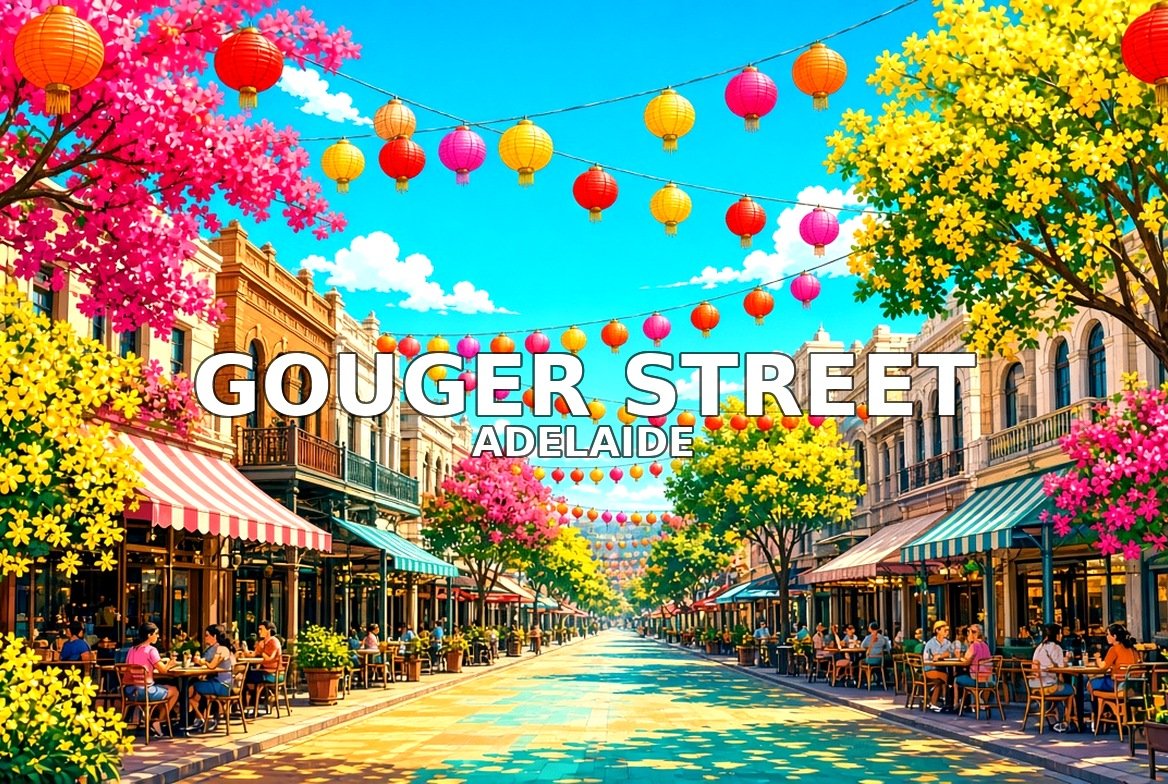
On this Adelaide walking tour, Gouger Street is the food strip on the south side of the market. The walk is the restaurant frontages, not a ticketed sight.
Walk this order. A Street Named for a Colonist → The Restaurant Row → Seafood from the Gulfs → Asian Flavours and Late Nights → Gouger Street by Evening.
03 · Tour · videos inside this sight

A Street Named for a Colonist

The Restaurant Row

Seafood from the Gulfs

Asian Flavours and Late Nights

Gouger Street by Evening
4. Adelaide Arcade and Rundle Mall
From stop 3 · 8 minutes north · 30–45 minutes
Along this Adelaide walking tour, Adelaide Arcade opened in 1885 and joins Rundle Mall, the main shopping street. The mall is a pedestrian strip. Free.
Walk this order. Adelaide Arcade, Opened 1885 → The Glass Roof and the Ghost → Rundle Mall, a Street for People → The Mall’s Balls and the Pigs → Beehive Corner and Haigh’s.

03 · Tour · videos inside this sight

Adelaide Arcade, Opened 1885

The Glass Roof and the Ghost

Rundle Mall, a Street for People

The Mall’s Balls and the Pigs

Beehive Corner and Haigh’s
5. Rundle Street and East End
From stop 4 · 5 minutes east · 25–40 minutes
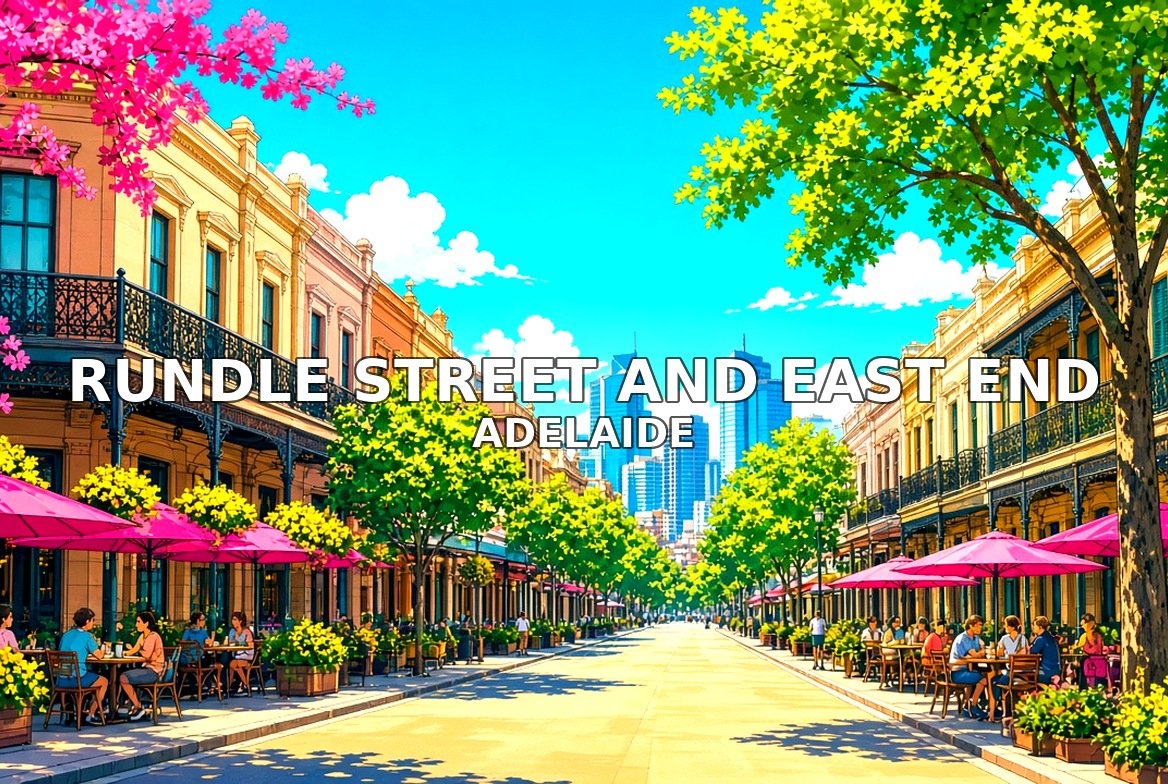
On this Adelaide walking tour, Rundle Street is the East End, past the mall, with cafes and the old picture theatres. Free to walk.
Walk this order. Beyond the Mall → From Fruit Market to Cafe Strip → Festival Season in the East End → Tandanya and Aboriginal Culture → Rundle Park and the Parklands.
03 · Tour · videos inside this sight

Beyond the Mall

From Fruit Market to Cafe Strip

Festival Season in the East End

Tandanya and Aboriginal Culture

Rundle Park and the Parklands
6. Art Gallery of South Australia
From stop 5 · 10 minutes north · 45–70 minutes
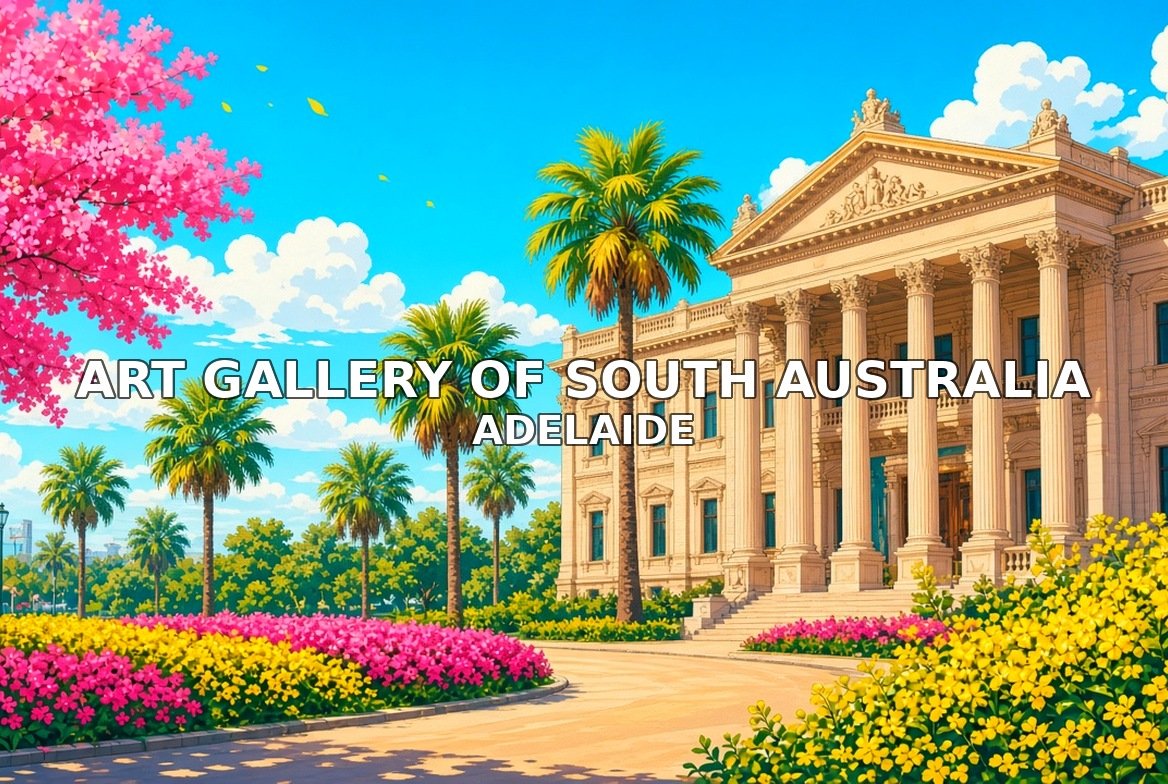
Along this Adelaide walking tour, the Art Gallery of South Australia faces North Terrace. The building opened in 1881. General entry is free. Some shows are ticketed.
Walk this order. A Gallery on North Terrace → Colonial and Heritage Painting → Hans Heysen and the Gum Trees → Tarnanthi and First Nations Art → Modern Rooms and the Biennial.
03 · Tour · videos inside this sight

A Gallery on North Terrace

Colonial and Heritage Painting

Hans Heysen and the Gum Trees

Tarnanthi and First Nations Art

Modern Rooms and the Biennial
7. South Australian Museum
From stop 6 · next door · 45–70 minutes
On this Adelaide walking tour, the South Australian Museum sits beside the gallery on North Terrace. The natural history halls and the Australian Aboriginal Cultures gallery are the core. General entry is free.
Walk this order. A Museum Founded in 1856 → The Aboriginal Cultures Gallery → Fossils from the Flinders Ranges → Megafauna and Natural History → Pacific Cultures and Mawson.

03 · Tour · videos inside this sight

A Museum Founded in 1856

The Aboriginal Cultures Gallery

Fossils from the Flinders Ranges

Megafauna and Natural History

Pacific Cultures and Mawson
8. Migration Museum
From stop 7 · 5 minutes east · 40–60 minutes
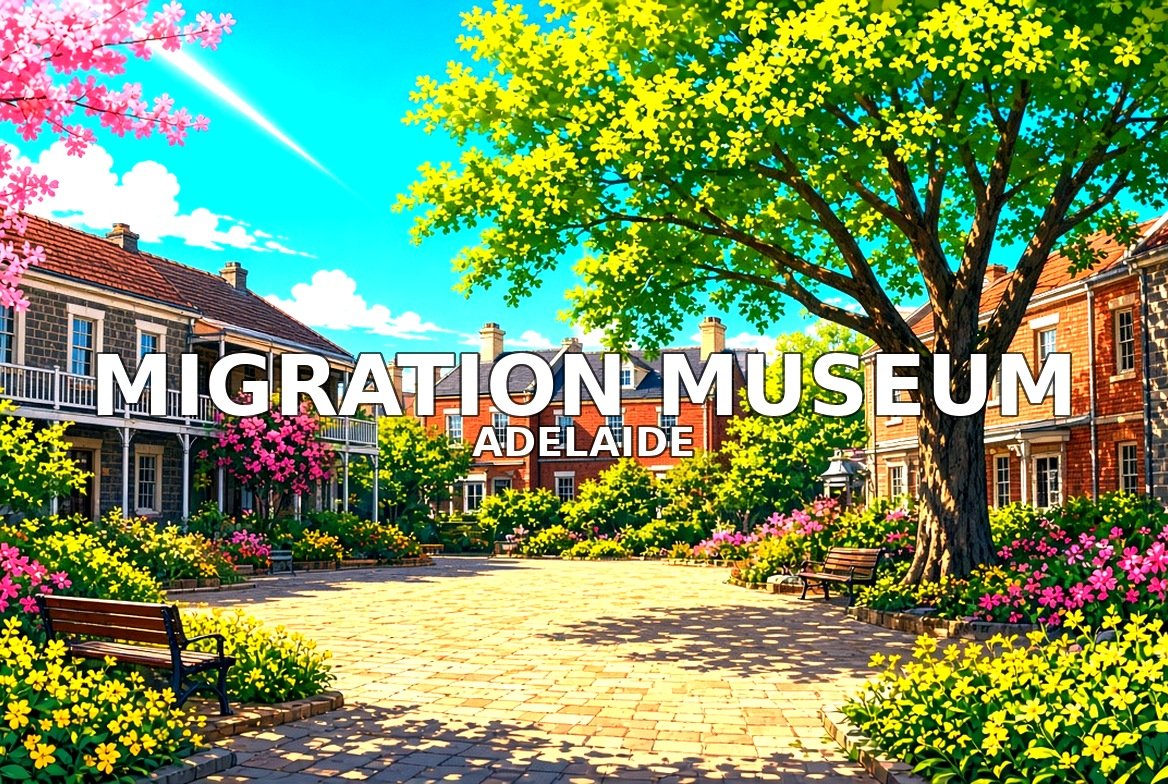
The Migration Museum is in the old Destitute Asylum buildings on Kintore Avenue. It tells the arrival stories of South Australia. Entry is free.
Walk this order. The Old Destitute Asylum → A Museum of Arrivals → From Ten Pound Poms to New Australians → The Courtyard and Memorials → Stories Still Being Told.
03 · Tour · videos inside this sight

The Old Destitute Asylum

A Museum of Arrivals

From Ten Pound Poms to New Australians

The Courtyard and Memorials

Stories Still Being Told
9. Botanic Garden
From stop 8 · east gate · 40–70 minutes
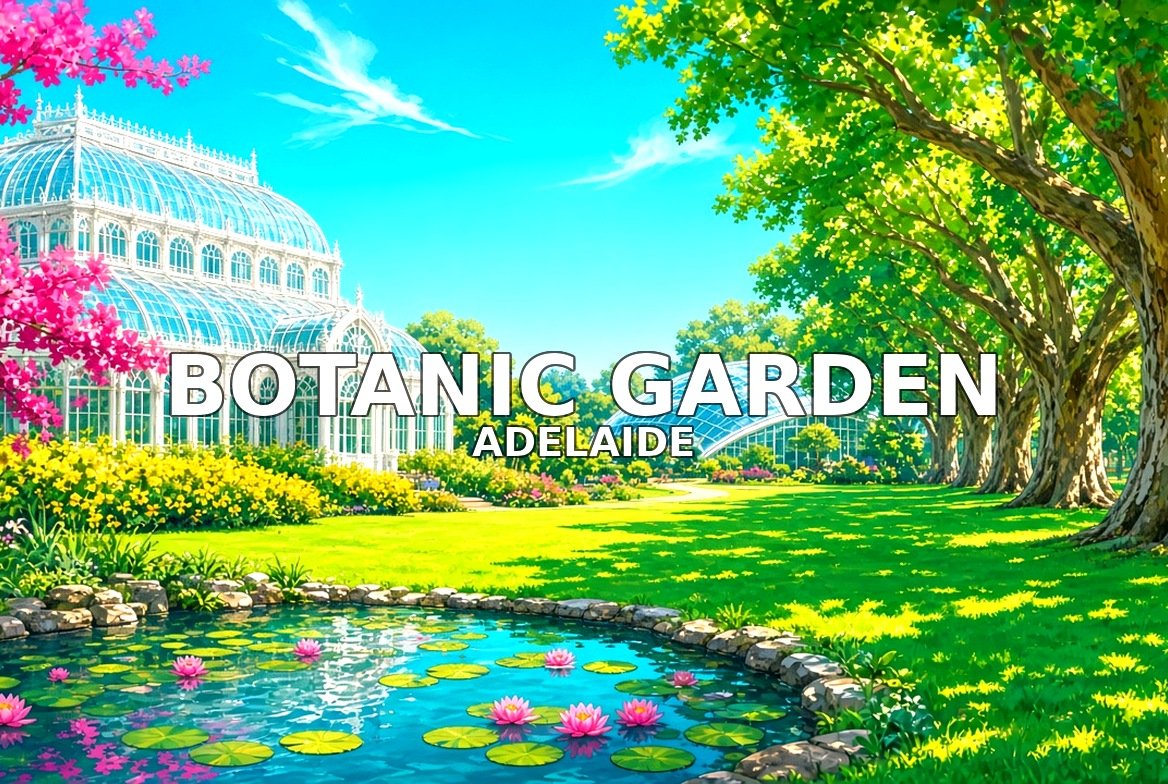
The Adelaide Botanic Garden opened in 1857 on the east parklands. The Palm House and the main lake are the easy loop. Free.
Walk this order. A Garden Opened in 1857 → The Victorian Palm House → The Bicentennial Conservatory → The Waterlily and Economic Botany → Fig Avenues and Quiet Lawns.
03 · Tour · videos inside this sight

A Garden Opened in 1857

The Victorian Palm House

The Bicentennial Conservatory

The Waterlily and Economic Botany

Fig Avenues and Quiet Lawns
10. Adelaide Oval and Riverbank Footbridge
From stop 9 · 15 minutes west · 30–45 minutes
Adelaide Oval sits on the north bank of the Torrens. The Riverbank Footbridge crosses from the festival centre side. The outside plaza is free. A ground tour is ticketed.
Walk this order. The River Torrens and the Lake → The Riverbank Footbridge → Adelaide Oval, Since 1871 → The Old Scoreboard and the Figs → Farewell from the Riverbank.

03 · Tour · videos inside this sight

The River Torrens and the Lake

The Riverbank Footbridge

Adelaide Oval, Since 1871

The Old Scoreboard and the Figs

Farewell from the Riverbank