Tbilisi Walking Tour: 50 Free Video Stops
Free City ToursTbilisi walking tour · freecitytours.org
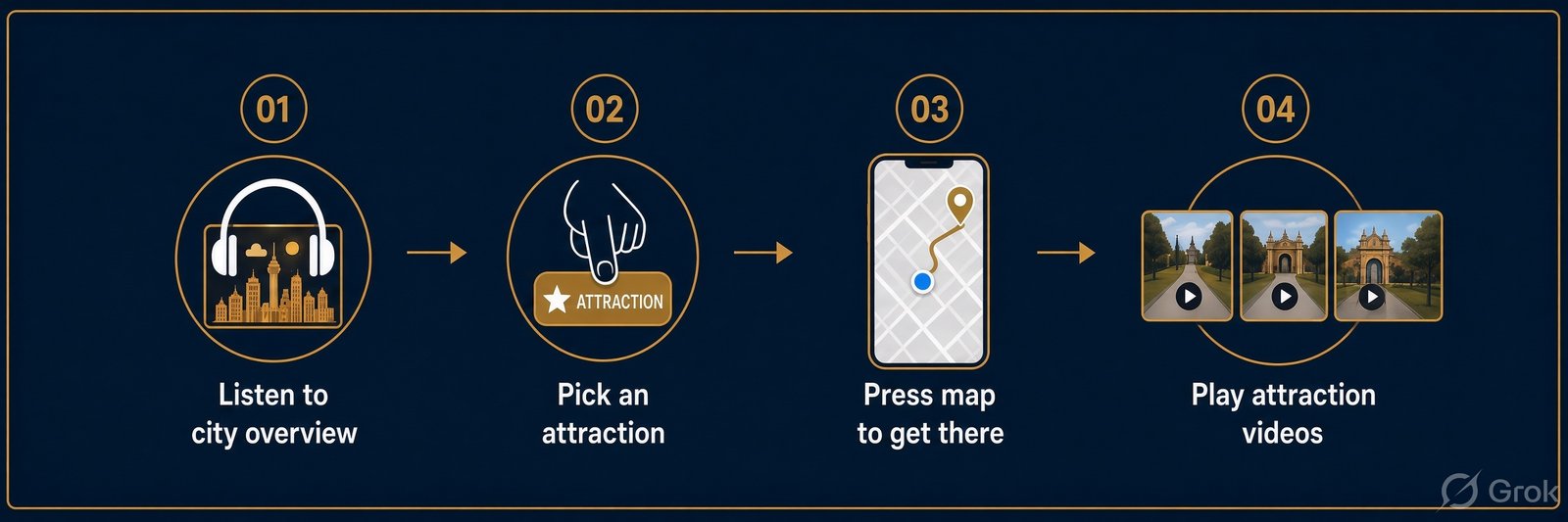
How to tour Tbilisi
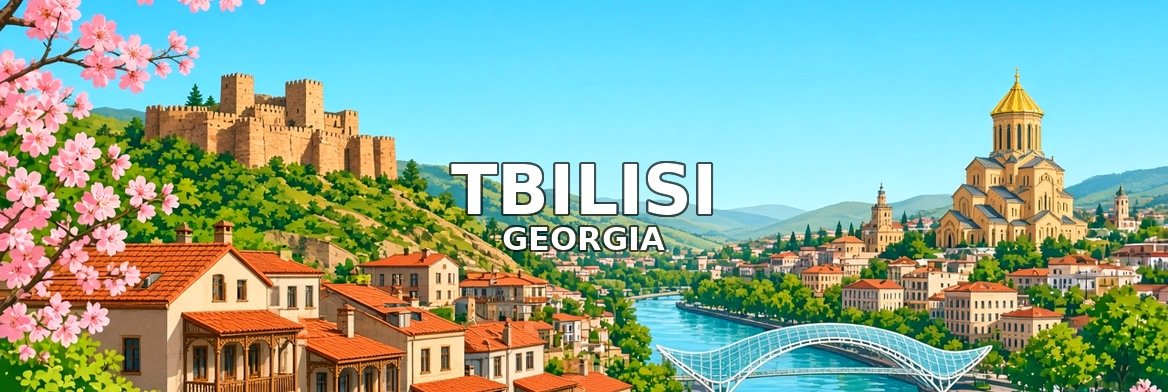
Tbilisi, the capital of Georgia, lies in a deep valley along the Mtkvari River, framed by green hills. Founded, legend says, by King Vakhtang Gorgasali in the 5th century beside hot sulphur springs, it grew into a crossroads of Persian, Ottoman, Russian and European influence, with carved wooden balconies, domed bathhouses and churches side by side.
This tour starts in the Old Town, climbs to Narikala Fortress and Holy Trinity Cathedral, rides the cable car, soaks in the history of the Sulfur Baths, walks Rustaveli Avenue, crosses the Bridge of Peace into Rike Park, visits the Chronicle of Georgia and ends high above the city in Mtatsminda Park. Each stop has five short films to guide you through it.
1. Tbilisi walking tour: Old Town
Kala · start here
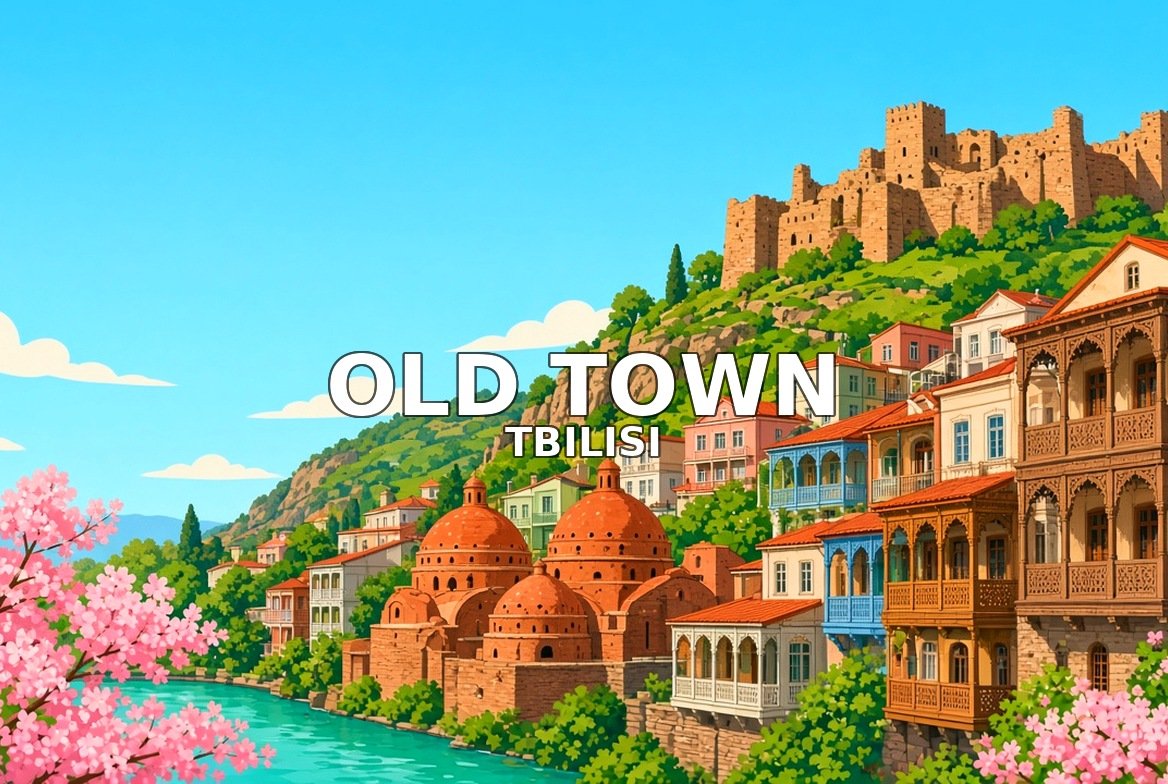
The Old Town of Tbilisi is a maze of narrow lanes, carved wooden balconies, churches, mosques and synagogues clustered below the fortress walls, along the right bank of the Mtkvari River.
Walk this order. Founded on Hot Springs → Sioni and Anchiskhati → The Leaning Clock Tower → Wine and Supra → Exit Toward Narikala.
03 · Tour · videos inside this sight

Founded on Hot Springs

Sioni and Anchiskhati

The Leaning Clock Tower

Wine and Supra

Exit Toward Narikala
2. Tbilisi walking tour: Narikala Fortress
Above the Old Town · fortress
Narikala Fortress has guarded Tbilisi since the 4th century. Its walls run along the ridge above the Old Town, with the restored Church of St Nicholas inside and wide views over the river and the city.
Walk this order. Walls on the Ridge → Church of Saint Nicholas → Mother of Georgia → The Botanical Garden → Exit Toward Sameba.

03 · Tour · videos inside this sight

Walls on the Ridge

Church of Saint Nicholas

Mother of Georgia

The Botanical Garden

Exit Toward Sameba
3. Tbilisi walking tour: Holy Trinity Cathedral
Avlabari · cathedral
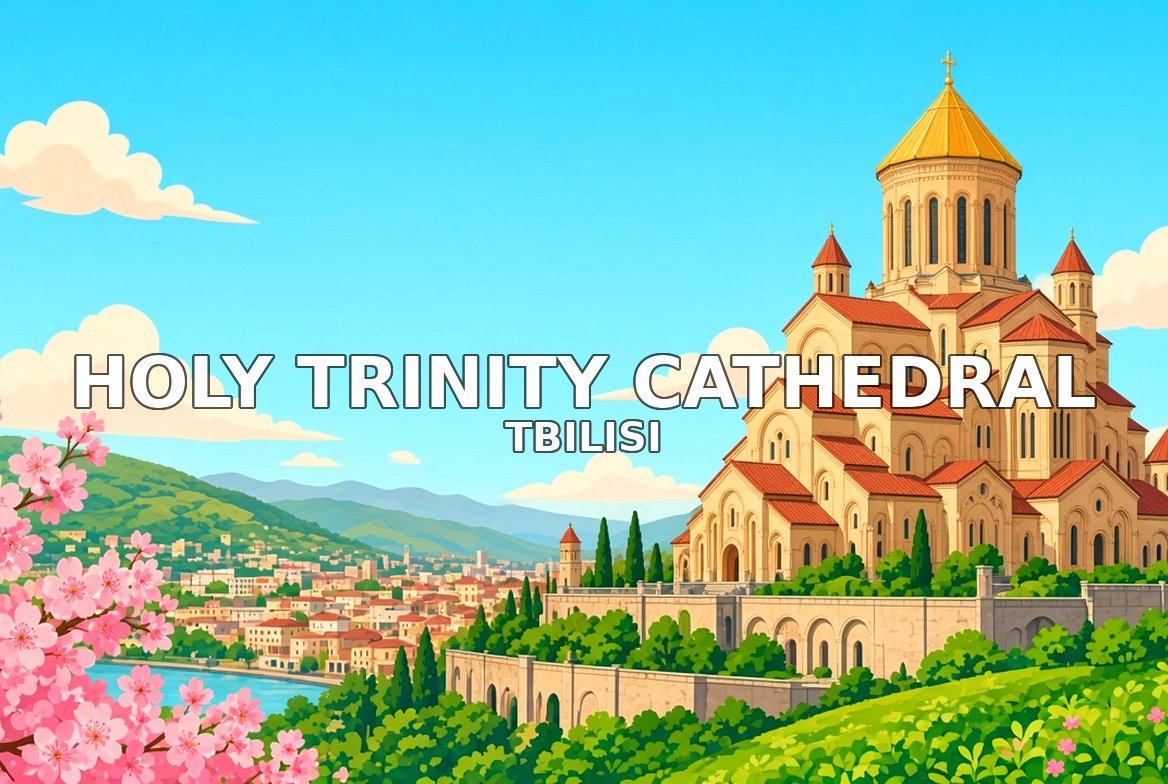
Holy Trinity Cathedral, Sameba, completed in 2004, is the main cathedral of the Georgian Orthodox Church and one of the tallest Orthodox churches in the world, its gilded dome visible across the city.
Walk this order. Sameba on Elia Hill → Gardens and Bell Tower → Inside the Cathedral → Faith and Nation → Exit Toward the Funicular.
03 · Tour · videos inside this sight

Sameba on Elia Hill

Gardens and Bell Tower

Inside the Cathedral

Faith and Nation

Exit Toward the Funicular
4. Tbilisi walking tour: Cable Car to Mtatsminda
Mtatsminda · funicular
The Mtatsminda funicular has climbed the Holy Mountain above Tbilisi since 1905. Halfway up it passes the Pantheon of Mtatsminda, where writers and national figures lie beside St David’s Church, and at the top a terrace looks out over the whole city.
Walk this order. The Funicular Station → The Ride Up the Mountain → Pantheon of Mtatsminda → The Summit Terrace → Exit Toward the Baths.

03 · Tour · videos inside this sight

The Funicular Station

The Ride Up the Mountain

Pantheon of Mtatsminda

The Summit Terrace

Exit Toward the Baths
5. Tbilisi walking tour: Sulfur Baths
Abanotubani · hot springs
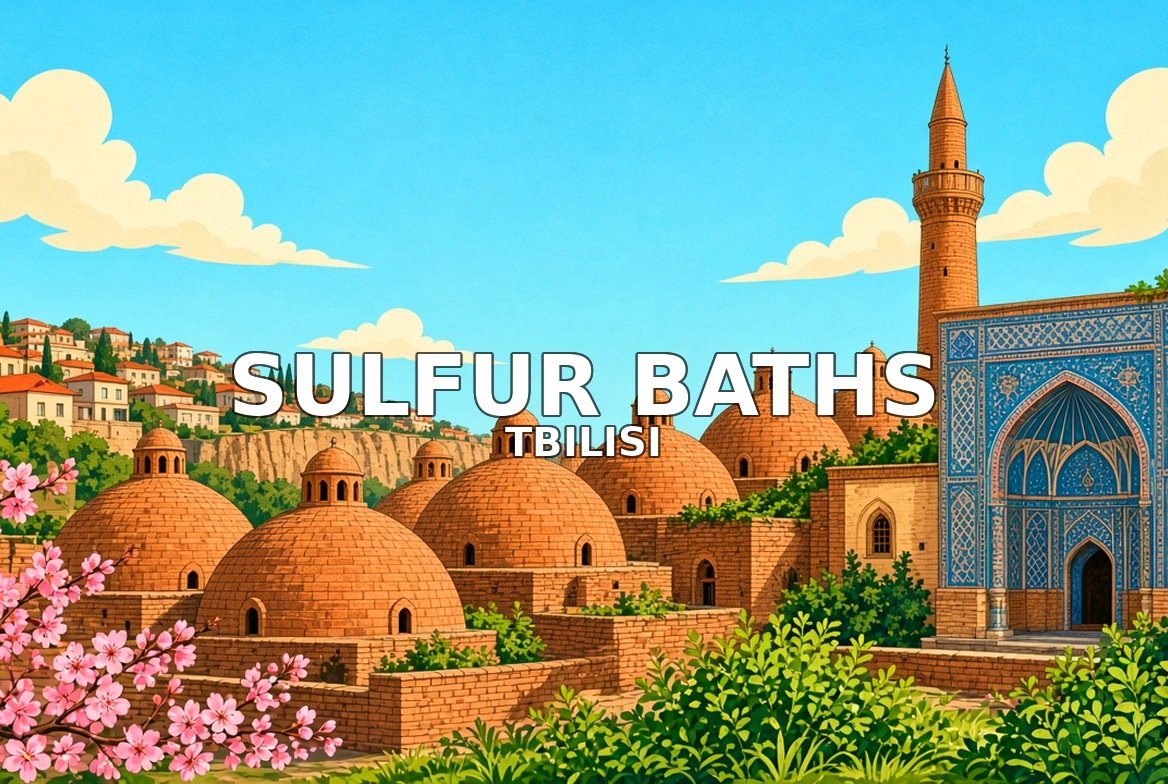
The Sulfur Baths of Abanotubani are domed brick bathhouses fed by the hot springs that gave Tbilisi its name, meaning warm place. The blue-tiled Orbeliani Bath is the most famous of them.
Walk this order. The Bath District → The Blue Bath → Scrub and Steam → Leghvtakhevi Waterfall → Exit Toward Freedom Square.
03 · Tour · videos inside this sight

The Bath District

The Blue Bath

Scrub and Steam

Leghvtakhevi Waterfall

Exit Toward Freedom Square
6. Tbilisi walking tour: Rustaveli Avenue
City centre · grand avenue
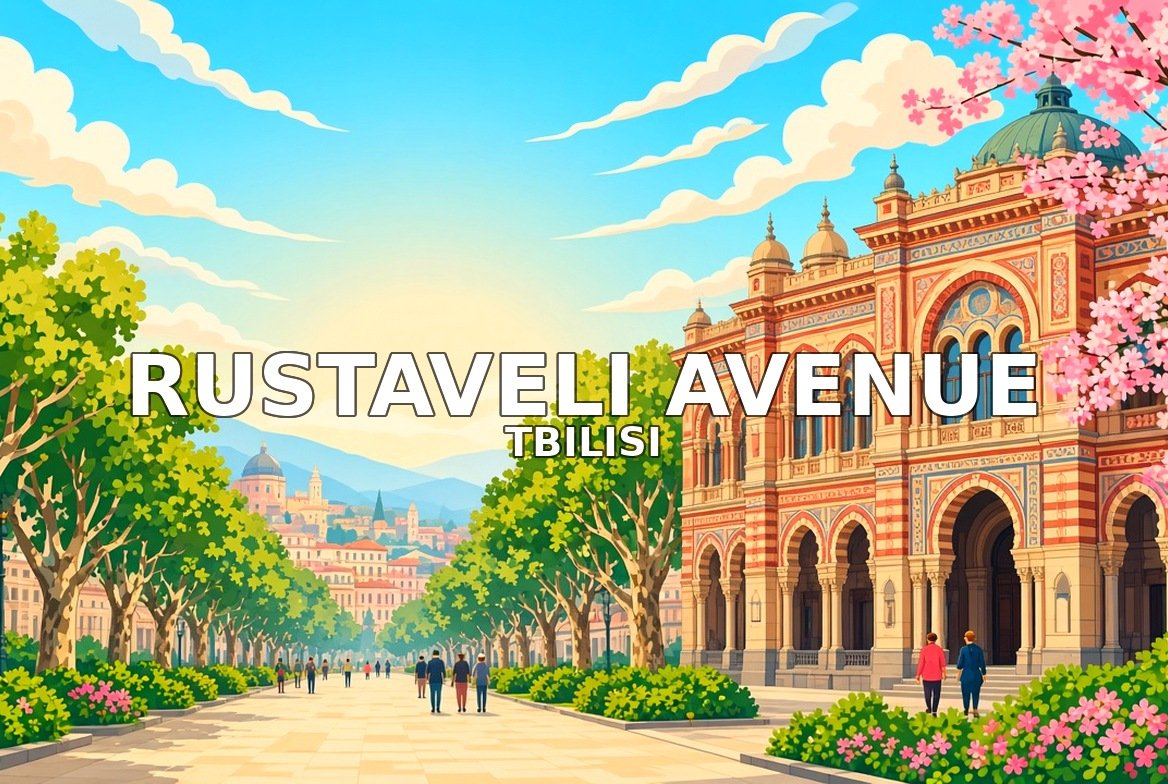
Rustaveli Avenue is Tbilisi’s grand boulevard, lined with the Parliament, the Opera and Ballet Theatre, the National Gallery and the Georgian National Museum, under rows of plane trees.
Walk this order. The Grand Boulevard → Georgian National Museum → The Old Parliament → Opera and Theatres → Exit Toward the Bridge.
03 · Tour · videos inside this sight

The Grand Boulevard

Georgian National Museum

The Old Parliament

Opera and Theatres

Exit Toward the Bridge
7. Bridge of Peace
Mtkvari River · glass bridge
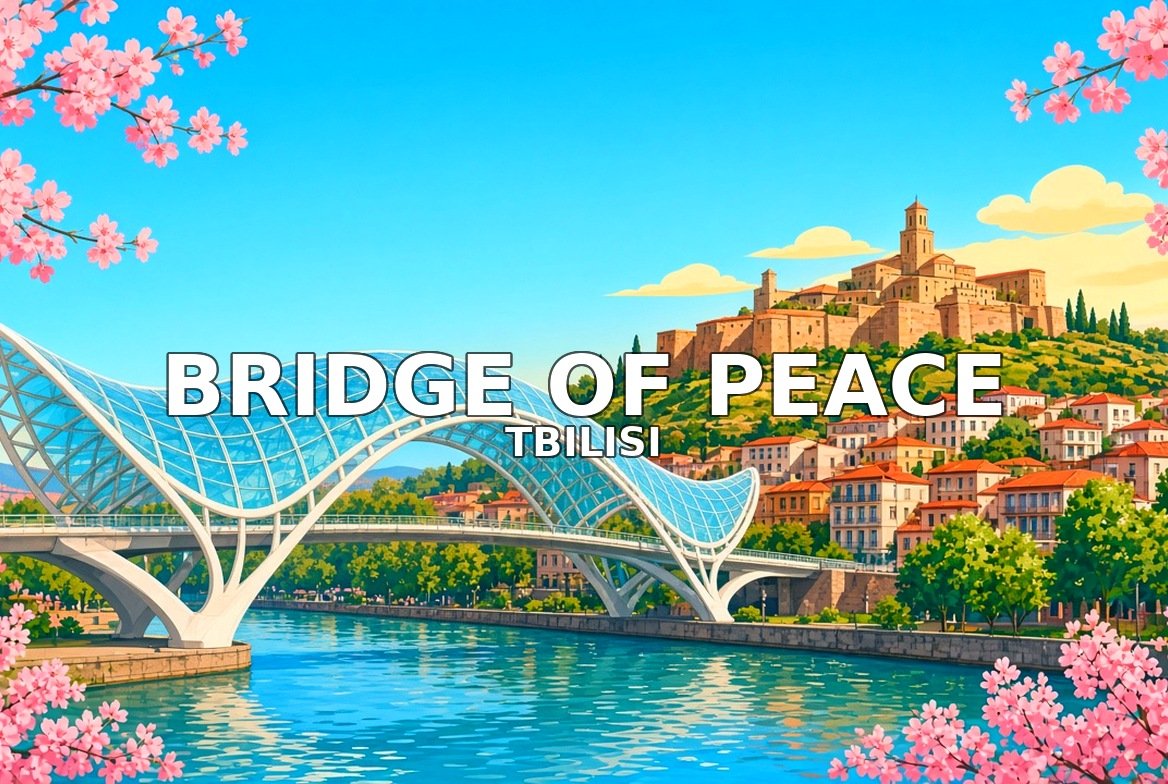
The Bridge of Peace is a curving glass-and-steel footbridge over the Mtkvari River, opened in 2010. Its canopy is lit by thousands of LEDs at night, linking the Old Town with Rike Park.
Walk this order. Glass and Steel → Lights After Dark → View from the Bridge → Old Meets New → Exit Toward Rike Park.
03 · Tour · videos inside this sight

Glass and Steel

Lights After Dark

View from the Bridge

Old Meets New

Exit Toward Rike Park
8. Rike Park
Riverside · park
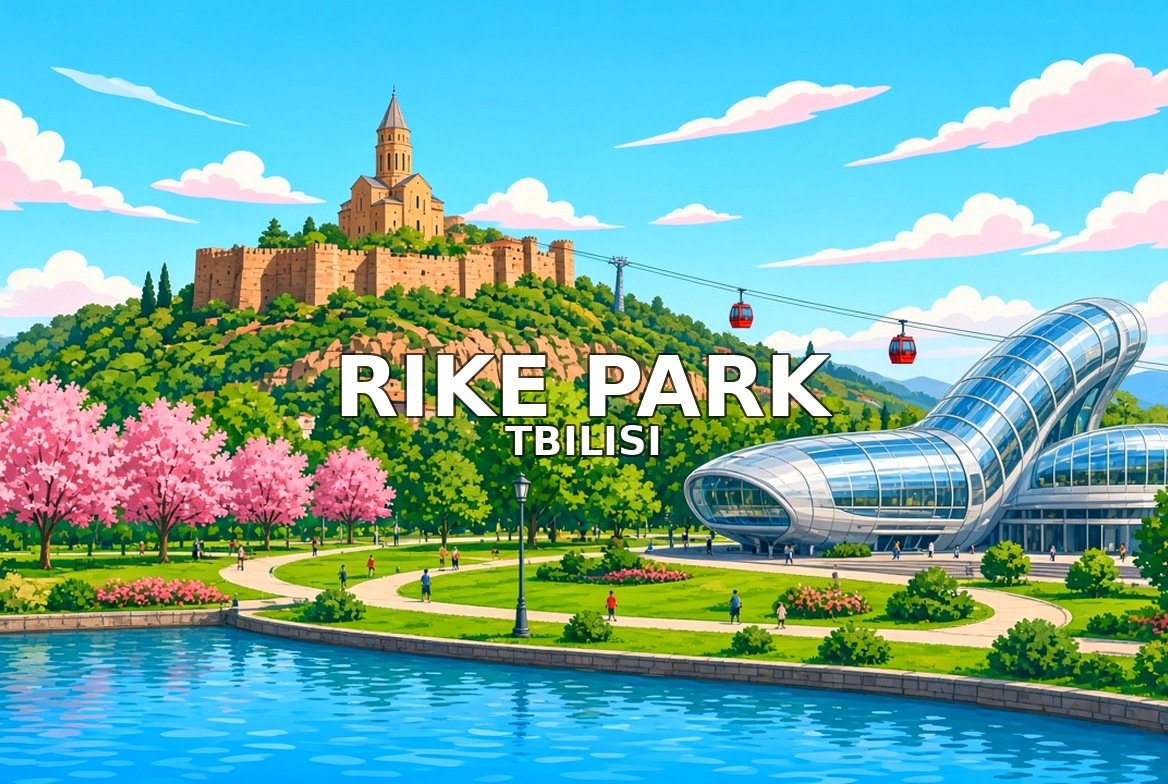
Rike Park is a modern riverside park on the left bank, with lawns, fountains, a giant chessboard and the lower station of the cable car, beneath the Presidential Palace and Narikala.
Walk this order. The Riverside Park → The Glass Tubes → Cable Car to Narikala → Palace on the Hill → Exit Toward the Chronicle.
03 · Tour · videos inside this sight

The Riverside Park

The Glass Tubes

Cable Car to Narikala

Palace on the Hill

Exit Toward the Chronicle
9. Chronicle of Georgia
Tbilisi Sea · monument
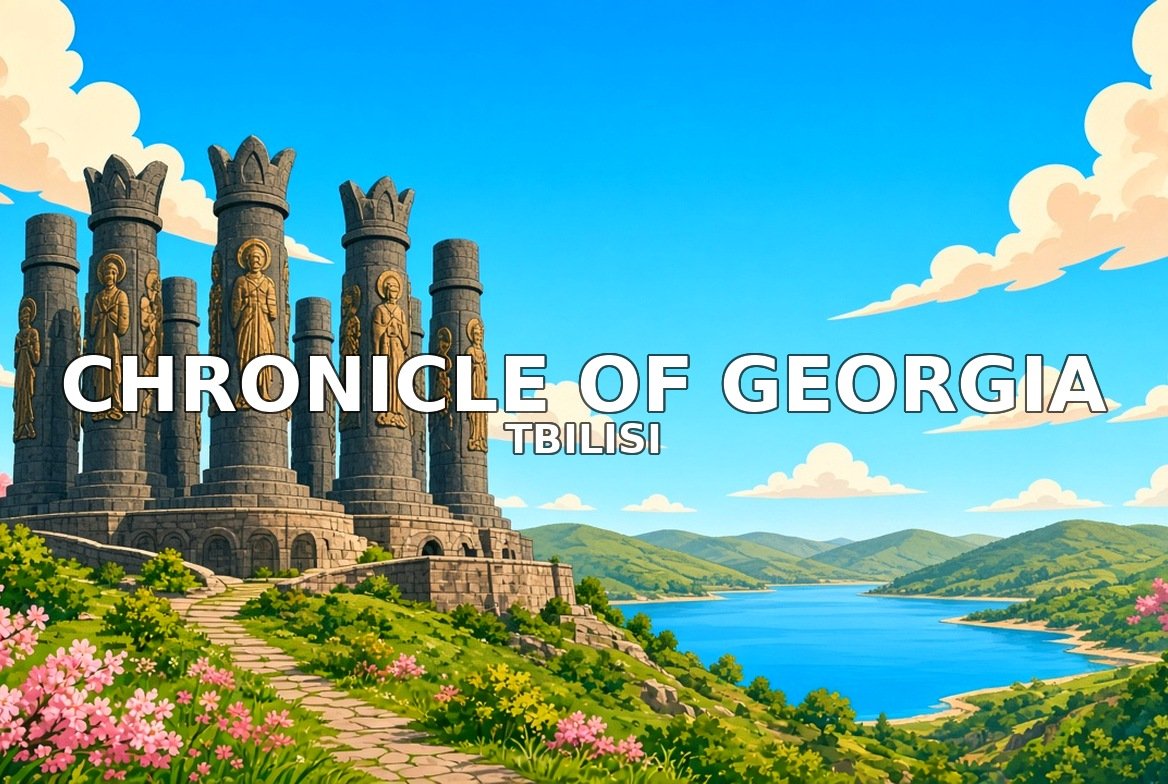
The Chronicle of Georgia is a vast monument by Zurab Tsereteli above the Tbilisi Sea, its tall bronze pillars carved with scenes from Georgian history and the life of Christ.
Walk this order. Pillars on the Hill → Kings and Queens → Chapel and Silence → View of the Tbilisi Sea → Exit Toward Mtatsminda.
03 · Tour · videos inside this sight

Pillars on the Hill

Kings and Queens

Chapel and Silence

View of the Tbilisi Sea

Exit Toward Mtatsminda
10. Mtatsminda Park
Mtatsminda · end of the tour
Mtatsminda Park sits on the summit above the city, reached by funicular. Its Ferris wheel, rides and lookouts give the best view of the whole valley, a fitting farewell to Tbilisi.
Walk this order. Park on the Summit → The Giant Ferris Wheel → Tower and Terraces → City Lights → Farewell to Tbilisi.

03 · Tour · videos inside this sight

Park on the Summit

The Giant Ferris Wheel

Tower and Terraces

City Lights

Farewell to Tbilisi