Dubai Walking Tour Overview Detail
This Dubai walking tour links 10 sights and 50 short video stops narrated by Clarissa, from the foot of Burj Khalifa to the flower displays of the Miracle Garden. Dubai is spread out, so the notes below group the stops into areas you can walk, and use the metro, taxis and the tram between them, with timing, etiquette and the free sights worth knowing before you go. For official visitor information and events, also check Visit Dubai, the official tourism site of Dubai.
Best routes for your Dubai walking tour using the 50 stops
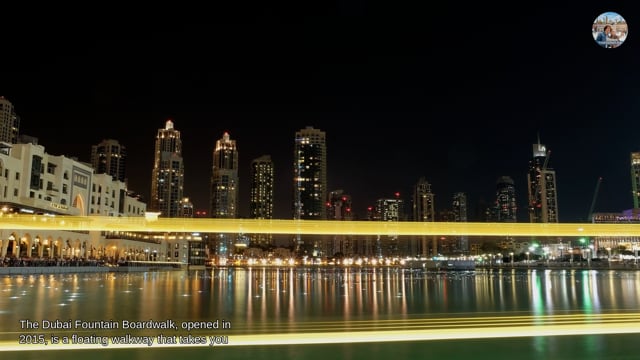
Route 1, Downtown Dubai (stops 1 to 3). Start under Burj Khalifa, the world's tallest building at about 828 metres, where lifts climb to observation decks high above the city. Walk around the lake to watch the Dubai Fountain, the dancing water show set to music, which runs at intervals in the evening. Then cross into the Dubai Mall, one of the largest shopping centres in the world, with its big aquarium, ice rink and the souk-style gold area. Downtown is the most walkable part of Dubai, so this is the core of any Dubai walking tour.
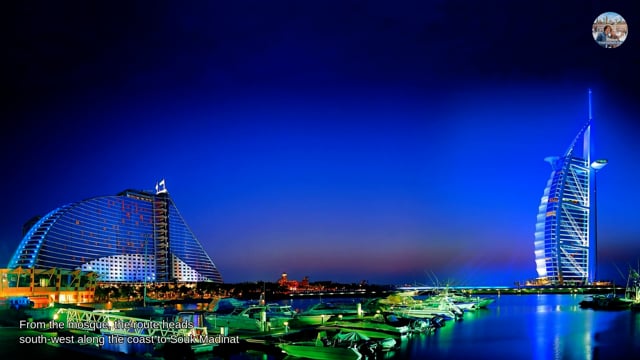
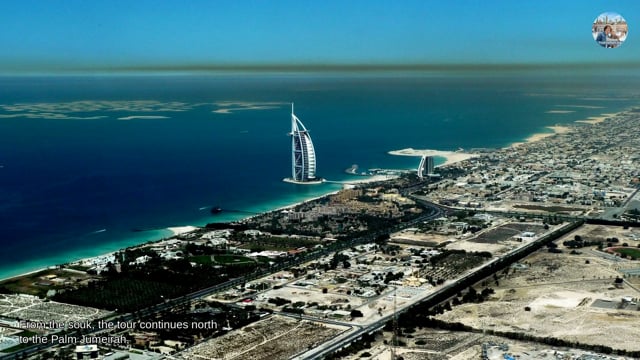
Route 2, Jumeirah (stops 4 to 6). Take a taxi or bus to Jumeirah Mosque, the white stone mosque that welcomes non-Muslim visitors on guided cultural visits, Saturday to Thursday. Continue along the Jumeirah coast to Burj Al Arab, the sail-shaped hotel on its own island, best seen from the public beach beside it. Finish at Souk Madinat Jumeirah, a modern souk in traditional style, with waterways, wind towers and views of the sail at sunset.
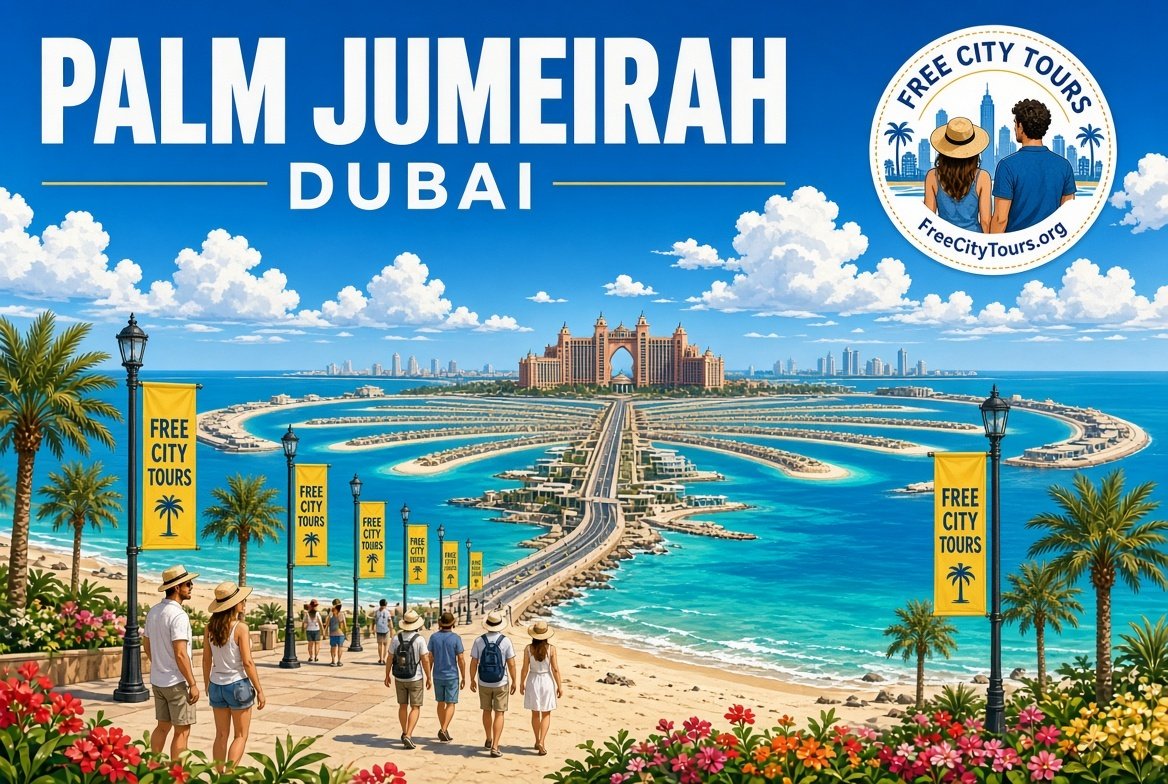
Route 3, the Palm and the Marina (stops 7 to 9). Ride the monorail along Palm Jumeirah, the palm-shaped artificial island, to the Atlantis resort at its tip, home of the Aquaventure waterpark. Then head to Dubai Marina, where a promenade runs for kilometres around the man-made canal, lined with towers, cafés and yachts, close to the beach at JBR.
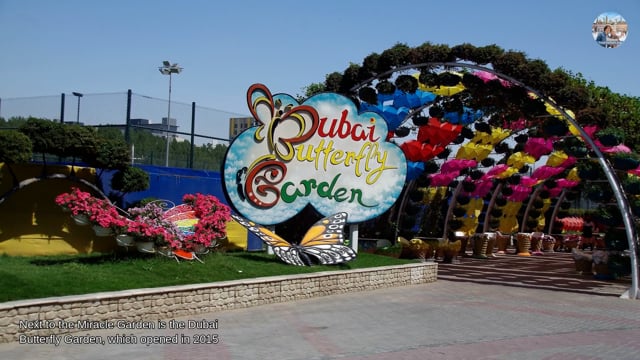
Stop 10, the Miracle Garden. The Dubai Miracle Garden, in the desert suburbs, fills with millions of flowers shaped into arches, hearts and giant figures. It is a seasonal attraction that opens in the cooler months and closes over the hot summer, so check its dates before you plan the trip, and take a taxi, as it is far from the metro.
Between the fountain shows, walk across the footbridge to Souq Al Bahar, an Arabian-style shopping arcade on the far side of the lake, for one of the best views of the water and the tower together. Its waterfront terraces fill up at sunset, so arrive early if you want a table. Inside the Dubai Mall, the waterfall feature with its diving figures and the giant aquarium window are free to see.
If you only have one day, Routes 1 and 2 give the best Dubai walking tour, with Downtown in the late afternoon and evening for the fountain and the lights. A three-day Dubai walking tour works well as Downtown on day one, Jumeirah and old Dubai on day two, and the Palm and the Marina on day three, with the Miracle Garden added in season.
For photos, the best free viewpoints on this Dubai walking tour are the lake promenade in front of Burj Khalifa at dusk, the public beach by Burj Al Arab, the waterways of Souk Madinat at sunset, and the Marina promenade at night. The boardwalk on Palm Jumeirah looks back at the Marina skyline across the water.
Best times and transport for a Dubai walking tour
November to March is by far the best time for a Dubai walking tour, with warm, sunny days and pleasant evenings. From May to September, the heat and humidity are extreme, so walk only early in the morning or after sunset, and spend the middle of the day indoors. Outdoor attractions such as the Miracle Garden close in the summer months.
The weekend in Dubai is Saturday and Sunday, and Friday is the main day of prayer, when there are no guided visits at Jumeirah Mosque. During Ramadan, opening hours change and many sights open later, so check the official websites for the dates and timings before your Dubai walking tour. Book Burj Khalifa tickets in advance for sunset slots, which sell out.
Dubai is spread out along the coast, so walking alone won't get you between areas. The Dubai Metro links Downtown, the Marina and the airport, and the tram runs around Dubai Marina and JBR. Buy a rechargeable Nol card for the metro, trams and buses. Taxis and ride-hailing apps are easy for the Jumeirah coast and the Miracle Garden.
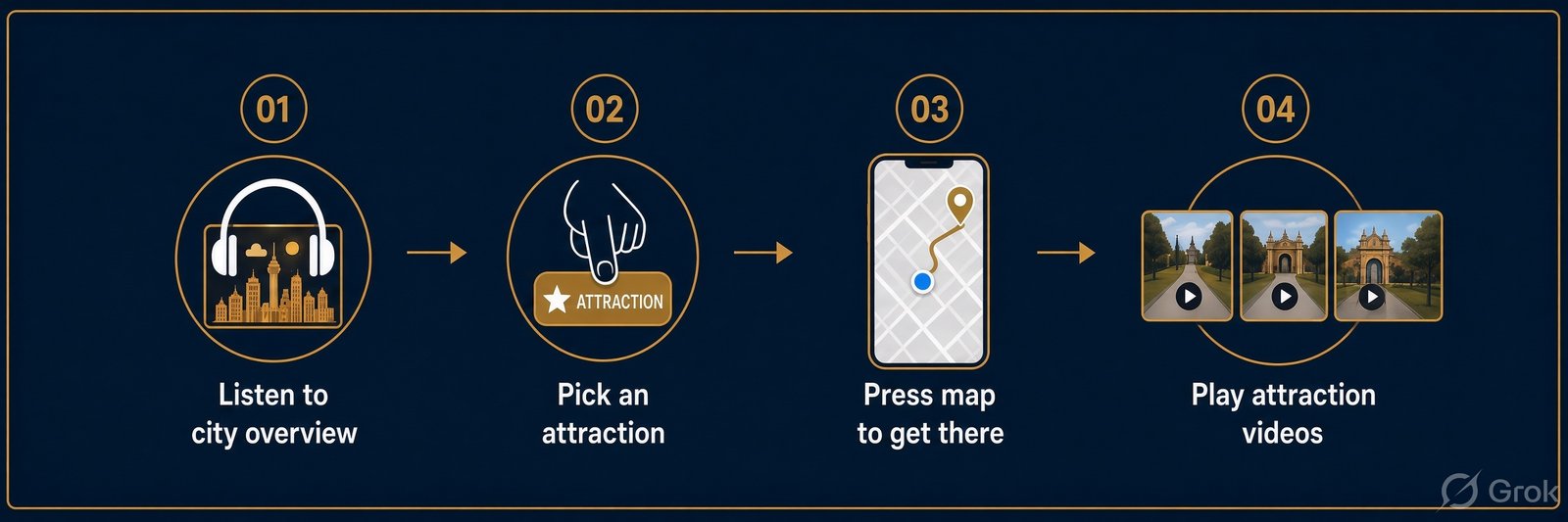
Use the Map button at each stop to check walking time. Distances within each area are short, but some footpaths end at big roads, so use the bridges and the walkways from the metro stations, which are air-conditioned and link straight to the Dubai Mall and the Marina.
Etiquette, food and safety on your Dubai walking tour
Dress modestly in public places such as malls, souks and older districts, with shoulders and knees covered, and save swimwear for the beach and pools. For the mosque visit, women should bring a headscarf, and loose, long clothing is expected for everyone. Public displays of affection, swearing and rude gestures can cause offence and break local law.
Alcohol is served only in licensed venues such as hotel bars, never in public. During Ramadan, be discreet about eating and drinking in public during daylight hours. Don't photograph local people, especially women, without asking first, and avoid taking photos of government buildings.
For food, try shawarma, grilled meats, hummus and fresh bread, and Emirati dishes such as machboos, spiced rice with meat, and luqaimat, sweet dumplings with date syrup. Arabic coffee and dates are a sign of welcome. Dubai is very safe for visitors, but carry water at all times, use sunscreen and a hat, and rest in the shade to avoid heatstroke on a Dubai walking tour.
Wear light, breathable clothes that still cover your shoulders, and comfortable shoes. The pavements are smooth and wide in the newer districts, but the sand on the beaches gets very hot in the middle of the day.
Free sights, tickets and accessibility on a Dubai walking tour
Many stops cost nothing at all. The Dubai Fountain, the Dubai Mall, the lake promenade at Burj Khalifa, the public beach by Burj Al Arab, Souk Madinat, the boardwalk on Palm Jumeirah, Dubai Marina and JBR beach are free to visit. The Burj Khalifa observation decks, the Jumeirah Mosque visit, Aquaventure, the Palm monorail and the Miracle Garden need tickets. That is why this free walking tour Dubai visitors can start at any hour works well: the 50 videos are free, and you only pay for what you choose to enter.
A little history adds depth to the stops. Dubai grew from a small fishing, pearling and trading settlement on the creek, and most of the towers you see on this route have risen only in the last few decades, after the discovery of oil and the growth of trade, tourism and aviation. The contrast between the creek and Downtown is part of what makes the city so striking.
Old Dubai is a free extra if you have time. Along Dubai Creek, the Al Fahidi Historical Neighbourhood keeps its lanes of wind-tower houses and small museums, and wooden abra boats cross the creek to the spice and gold souks in Deira for a small fare. It shows a quieter side of the city, far from the towers. Always confirm current prices and opening hours on each official website before your Dubai walking tour.
For accessibility, Dubai is one of the easier cities for wheelchair users and strollers. The metro, the malls, the Marina promenade and most newer sights have lifts, ramps and accessible toilets, and the metro has reserved spaces. The beaches, the souks of old Dubai and the abra boats are harder, with sand, crowds and steps.
When you finish this Dubai walking tour, carry on with more free walks: the Abu Dhabi walking tour, the Cairo walking tour, the Istanbul walking tour and the Delhi walking tour. You can browse every city on the Free City Tours home page.
Dubai walking tour FAQ
Is this Dubai walking tour really free?
Yes. All 50 video stops on this Dubai walking tour are free to watch, and the Dubai Fountain, the Dubai Mall, Souk Madinat, the beach by Burj Al Arab and Dubai Marina are free to visit. You only pay for the sights you choose to enter, such as Burj Khalifa or Aquaventure. It is a genuine free walking tour Dubai visitors can follow at their own pace.
How long does the Dubai walking tour take?
Allow three days to see everything properly: one for Downtown, one for Jumeirah, and one for the Palm and the Marina. With one day, follow Routes 1 and 2, and use taxis or the metro between areas.
Where does the Dubai walking tour start?
It starts at Burj Khalifa in Downtown Dubai, next to the Burj Khalifa/Dubai Mall metro station. You can join at any stop, because each one has its own Map button and five short videos.
Is the Dubai walking tour suitable for children and wheelchair users?
Yes. Children love the fountain, the aquarium at the Dubai Mall, Aquaventure and the Miracle Garden. Dubai's metro, malls and newer districts are among the most accessible anywhere, while beaches and old souks are harder going.
Can non-Muslims visit Jumeirah Mosque on the Dubai walking tour?
Yes. Jumeirah Mosque welcomes non-Muslim visitors on guided cultural visits from Saturday to Thursday, with no visits on Fridays. A fee applies, modest clothing is required, and women should bring a headscarf. Check the current times on the mosque's official website.