
Jerusalem Walking Tour: 50 Free Video Stops

How to tour Jerusalem
Jerusalem sits on a ridge between the Mediterranean and the Dead Sea. The Old City is a walled square of about one square kilometre, with Jaffa Gate on the west and Lions Gate on the east. The walls you walk are the 16th century circuit.
Inside, the Jewish Quarter looks down to the Western Wall. The gold dome stands on the raised platform. The Church of the Holy Sepulchre is a short walk west. Mount Zion and the hall honoured as King David’s Tomb sit just outside Zion Gate. The Kidron Valley drops from Lions Gate to the olive garden at the foot of the Mount of Olives.
On this Jerusalem walking tour you enter at Jaffa Gate, take the citadel, cross the Jewish Quarter to the Wall, circle the platform if it is open, stand in the Sepulchre courtyard, then go south to Mount Zion, east to Lions Gate and the garden, and finish at Yad Vashem on the Mount of Remembrance.
1. Jerusalem walking tour: Jaffa Gate
Old City west wall · start here · 15–25 minutesOn this Jerusalem walking tour, Jaffa Gate is the western gate in the 16th century walls. The road gap beside it was cut in 1898. Most walks start in the plaza outside, with the citadel on your right as you face the arch. Free. Walk this order. Outside plaza, through the arch, look back at the wall, citadel moat on the right.





2. Tower of David
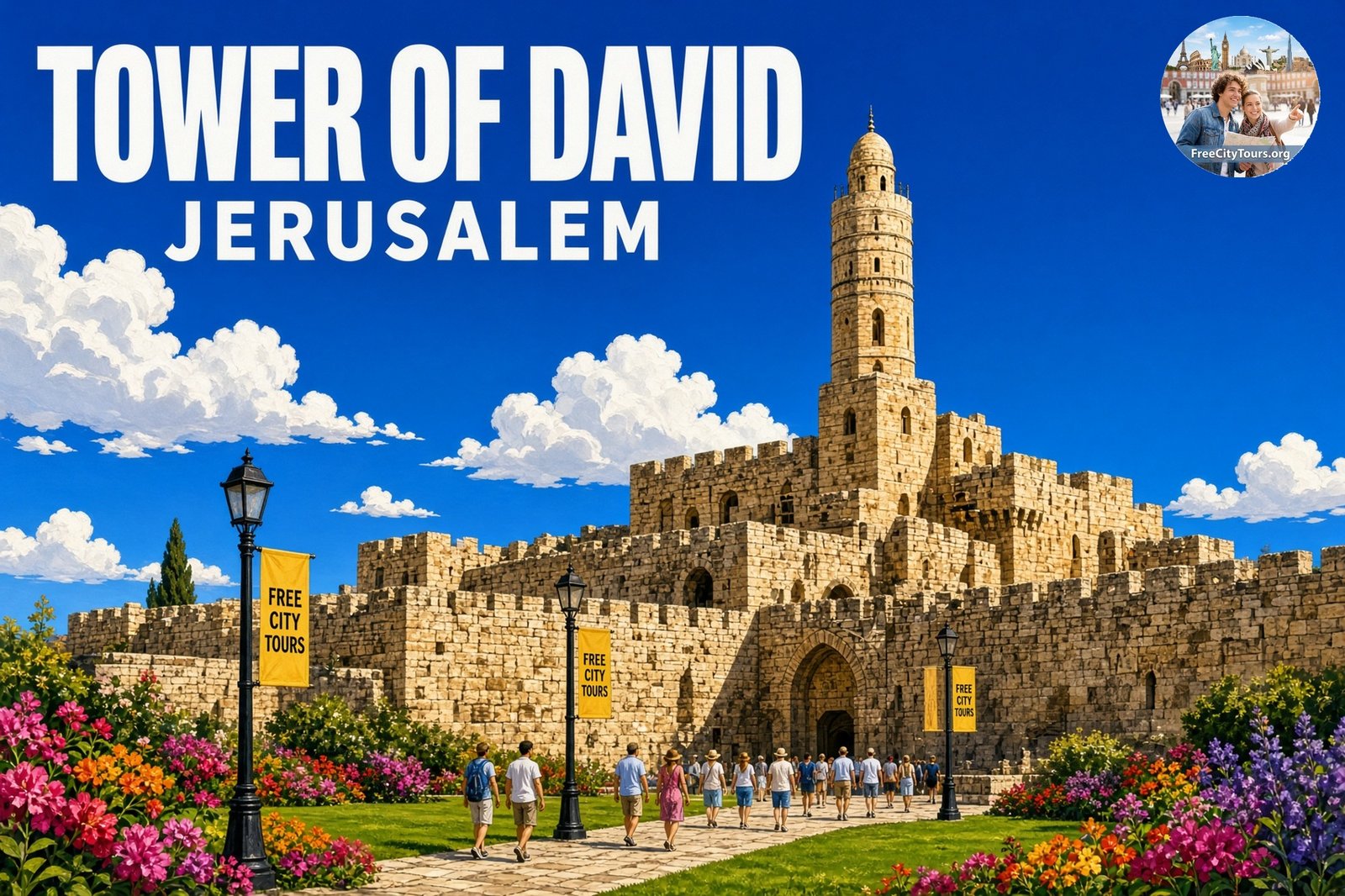
From stop 1 · same gate · 45–75 minutesAlong this Jerusalem walking tour, the citadel is a fortress, not a tower built by David. The minaret is the mark on the skyline. Courtyards are free to see from the gate. The ramparts and museum need a ticket. Walk this order. Moat bridge, courtyard, rampart view over Jaffa Gate, exit into the Old City lanes toward the Jewish Quarter.
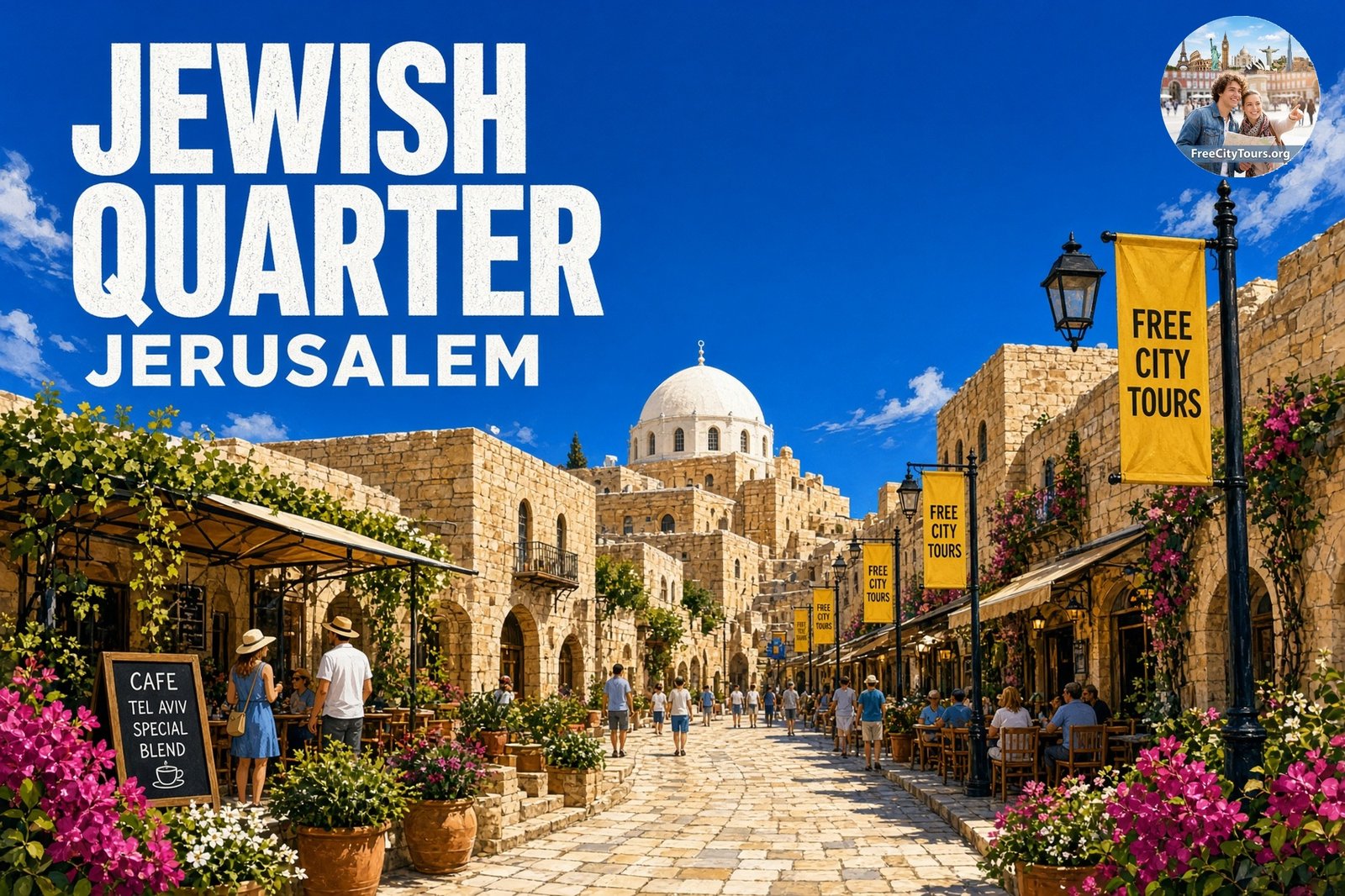
3. Jewish Quarter
From stop 2 · 8 minutes east · 30–45 minutesOn this Jerusalem walking tour, the quarter was rebuilt after 1967. The white Hurva dome is the landmark. The Cardo is the old Roman street, now a lower lane of shops. Rooftops look across to the Dome of the Rock. Free to walk. Walk this order. Hurva Square, Cardo, rooftop lookout, steps down toward the Western Wall plaza.

4. Western Wall
From stop 3 · 5 minutes downhill · 30–45 minutesThis is the western retaining wall of the Temple Mount. It is the holiest place where Jews can pray. The plaza is divided into a men’s section and a women’s section. Cover your head on the men’s side. Security check at the entrance. Free. Walk this order. Plaza entrance, the wall, step back for the full height. The wooden ramp to the Temple Mount is the next stop, when it is open.




5. Dome of the Rock
From stop 4 · ramp beside the plaza · 40–70 minutes if openAlong this Jerusalem walking tour, the gold dome was completed in 691. It stands on the raised platform Muslims call the Haram al Sharif and Jews call the Temple Mount. Non Muslim hours are limited and sometimes closed. Dress modestly. The shrine itself is not entered on a tourist walk. The view across the platform is the stop. Walk this order. Security at the ramp, platform edge, circle the dome at a distance, Al Aqsa facade, leave toward the Christian Quarter.





6. Church of the Holy Sepulchre
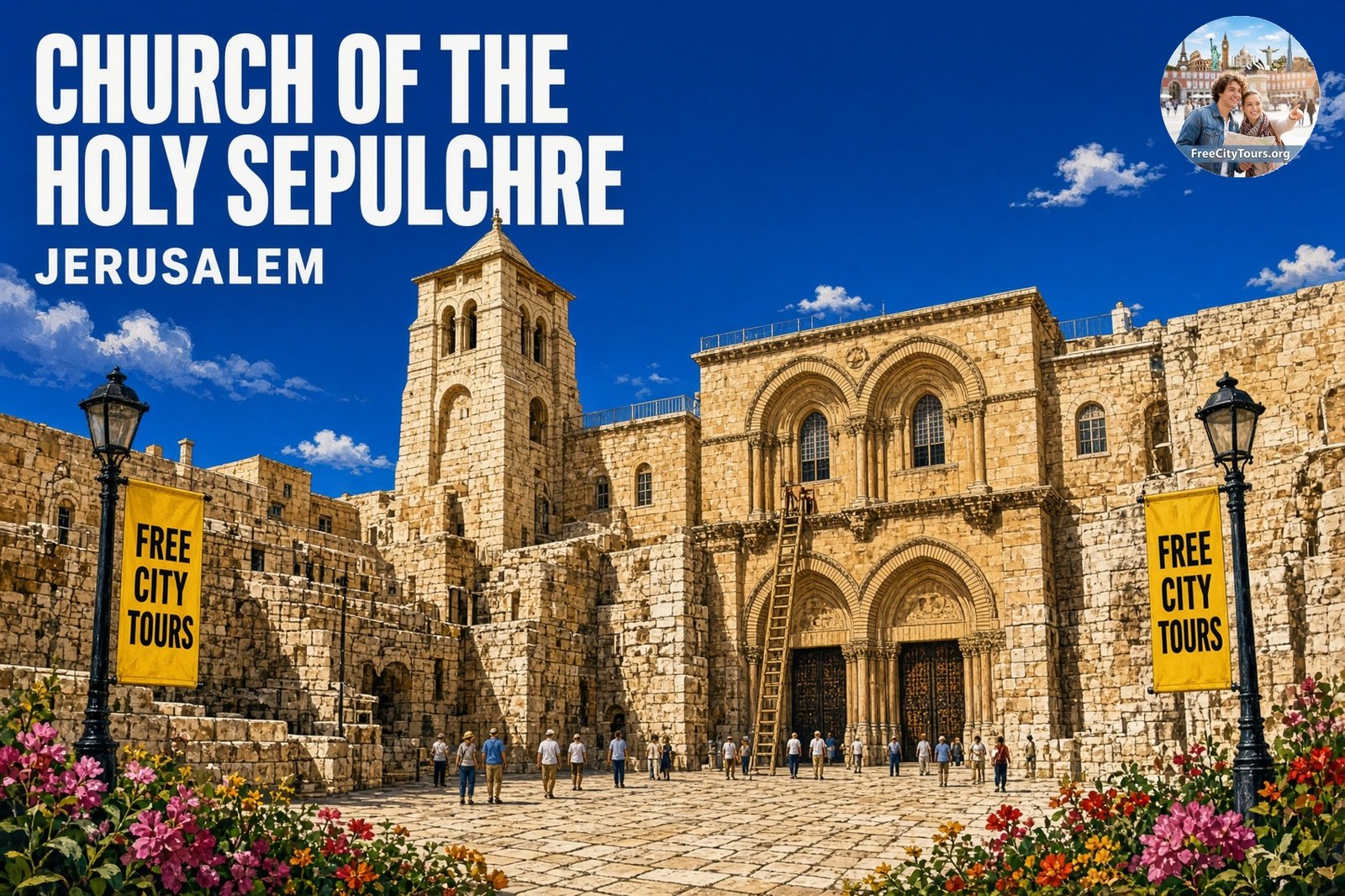
From stop 5 · 10 minutes west · 30–50 minutesOn this Jerusalem walking tour, the church stands on the site long held to be the crucifixion and the tomb. Several Christian churches share it. The last stations of the Via Dolorosa are inside. Free. Shoulders and knees covered. Go early. Walk this order. Courtyard, main door, Stone of Anointing, rotunda, upstairs chapel if the stair is open, then south through the Armenian Quarter to Zion Gate.


7. King David’s Tomb
From stop 6 · 15 minutes south via Zion Gate · 30–45 minutesAlong this Jerusalem walking tour, Mount Zion rises just outside Zion Gate. A ground floor hall here has been honoured since the Middle Ages as the tomb of King David. The Cenacle, the traditional room of the Last Supper, is upstairs in the same building. Free. Dress modestly. Walk this order. Zion Gate, Mount Zion lanes, tomb complex front, tomb chamber entrance, Cenacle exterior, back toward Lions Gate.



8. Lions Gate
From stop 7 · 25 minutes back across the Old City · 10–15 minutesOn this Jerusalem walking tour, Lions Gate is the eastern gate, also called St Stephen’s Gate. Two pairs of stone animals sit on the face. Walk out through it. The Kidron Valley and the Mount of Olives are straight ahead. Free. Walk this order. Inside the arch, the carved lions, outside road, path down toward the garden.






9. Garden of Gethsemane
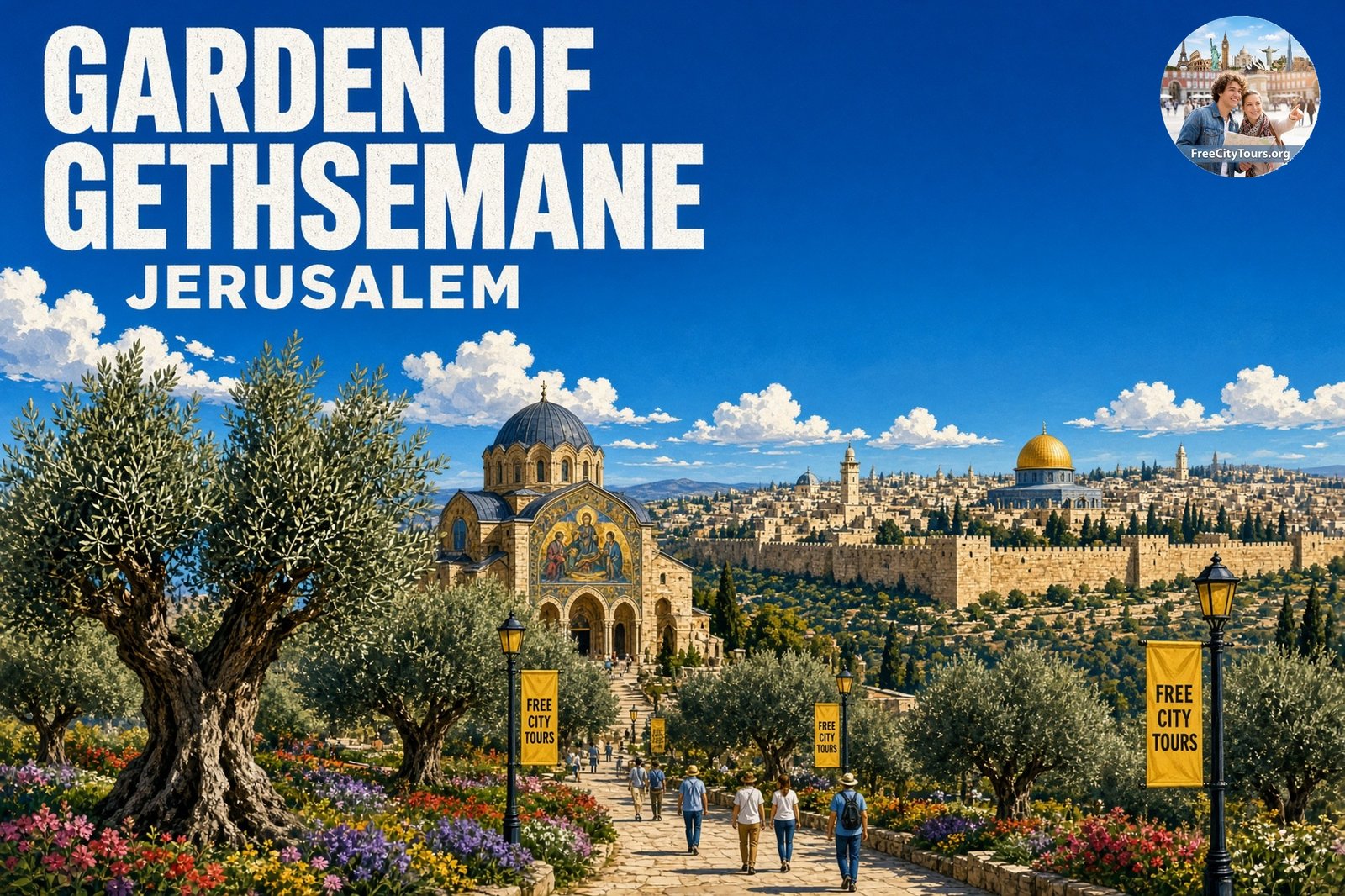
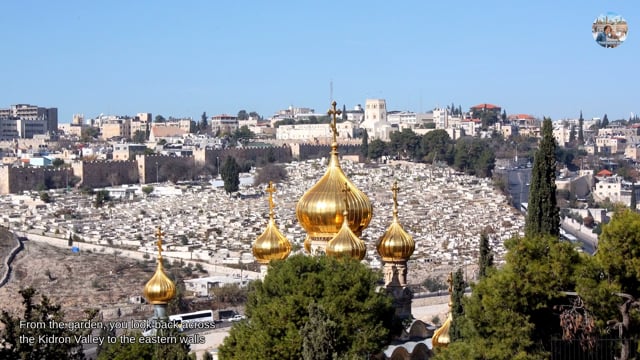
From stop 8 · 8 minutes across the valley · 20–35 minutesAlong this Jerusalem walking tour, the garden sits at the foot of the Mount of Olives. Ancient olive trees stand in front of the Church of All Nations, with its gold mosaic front. The garden fence is the public view. Dress modestly. Walk this order. Church front, olive enclosure, look back at the east wall and the golden dome, then taxi or light rail west to Mount Herzl.

10. Yad Vashem
From stop 9 · taxi or light rail to Mount Herzl · 90–120 minutesOn this Jerusalem walking tour, Yad Vashem is Israel’s memorial to the six million Jews murdered in the Holocaust. It sits on the Mount of Remembrance in west Jerusalem. The long concrete prism of the Holocaust History Museum cuts through the hillside. Entry is free. Book a timed slot. Walk this order. Campus entrance, museum exterior, Hall of Remembrance, Avenue of the Righteous Among the Nations, quiet exit.



Jerusalem Walking Tour Overview Detail
This Jerusalem walking tour links 10 sights and 50 short video stops narrated by Clarissa, from Jaffa Gate and the citadel through the four quarters of the walled Old City to the Western Wall, the Church of the Holy Sepulchre, the Garden of Gethsemane and the memorial at Yad Vashem. The Old City covers only about one square kilometre, but its lanes are steep and its holy sites have their own rules, so the notes below add routes, timing, dress codes, transport and the free sights worth knowing. For official visitor information, also check iTravelJerusalem, the official tourism site for Jerusalem.
Best routes for your Jerusalem walking tour using the 50 stops
Route 1, the western gate and the Jewish Quarter (stops 1 to 4). Start in the plaza outside Jaffa Gate, in the walls built by the Ottoman sultan Suleiman the Magnificent in the 16th century, and play the videos as you pass through the arch. Visit the Tower of David citadel, a fortress whose ramparts and museum tell the city’s long history. Walk into the Jewish Quarter for Hurva Square, the white Hurva dome and the Cardo, the old Roman street, then take the steps down to the Western Wall plaza, the holiest place where Jews can pray.
Route 2, the Temple Mount and the Holy Sepulchre (stops 5 and 6). If the visitors’ ramp is open, climb from the Western Wall plaza to the platform that Muslims call the Haram al Sharif and Jews call the Temple Mount, and see the golden Dome of the Rock, completed in 691, and the facade of Al Aqsa from a respectful distance. Non-Muslim visiting hours are short and can change or be cancelled at little notice. Then walk through the lanes to the Church of the Holy Sepulchre, shared by several Christian churches, with the Stone of Anointing and the rotunda over the tomb.
Route 3, Mount Zion and the eastern gate (stops 7 to 9). Walk south through the Armenian Quarter to Zion Gate and out onto Mount Zion, where a ground-floor hall has been honoured since the Middle Ages as King David’s Tomb, with the Cenacle, the traditional room of the Last Supper, upstairs. Walk back along the walls to Lions Gate, also called St Stephen’s Gate, and down into the Kidron Valley to the Garden of Gethsemane, with its ancient olive trees and the Church of All Nations.
Route 4, Yad Vashem (stop 10). Finish your Jerusalem walking tour at Yad Vashem on the Mount of Remembrance, Israel’s memorial to the six million Jews murdered in the Holocaust. Ride the light rail to Mount Herzl and walk to the campus. The Holocaust History Museum, the Hall of Remembrance and the Avenue of the Righteous Among the Nations need at least three quiet hours.
For photos, the best free viewpoints on this Jerusalem walking tour are the rooftop lookouts in the Jewish Quarter facing the Dome of the Rock, the ramparts above Jaffa Gate, the path below Lions Gate looking back at the eastern wall and the slopes of the Mount of Olives above Gethsemane. Photography is not allowed at the Western Wall on Shabbat and holy days, and some holy places ask you not to take pictures inside.
With one day, walk Routes 1 and 2, the core free walking tour Jerusalem visitors can do on foot inside the walls. With two days, add Mount Zion, Gethsemane and a separate half day at Yad Vashem.
Best times and transport for a Jerusalem walking tour
Spring and autumn are the most comfortable seasons for a Jerusalem walking tour, with mild, sunny days. The city sits high in the hills, so summer days are hot but evenings are cooler, and winter can be cold and wet, with rare snow. Start early: the Old City lanes are quiet and cool in the first hours after sunrise, and the main sites are less crowded before tour groups arrive.
Opening times depend on religion and the calendar. On Friday afternoons and Saturdays, Shabbat closes many Jewish businesses and stops most public transport in the west of the city, while Friday is the Muslim day of prayer and Sunday morning is busy in the churches. The Temple Mount has limited, changeable visiting hours for non-Muslims, and Yad Vashem closes on Saturdays. Check official sites and current travel advice before you go.
The Old City is a pedestrian maze, so walking is the only way around inside the walls. The light rail runs along Jaffa Road past the City Hall stop near Jaffa Gate and out to Mount Herzl for Yad Vashem. Buses and taxis reach the Mount of Olives and Gethsemane, and taxis or ride-hailing cars are useful on Shabbat, when the light rail and most buses do not run.
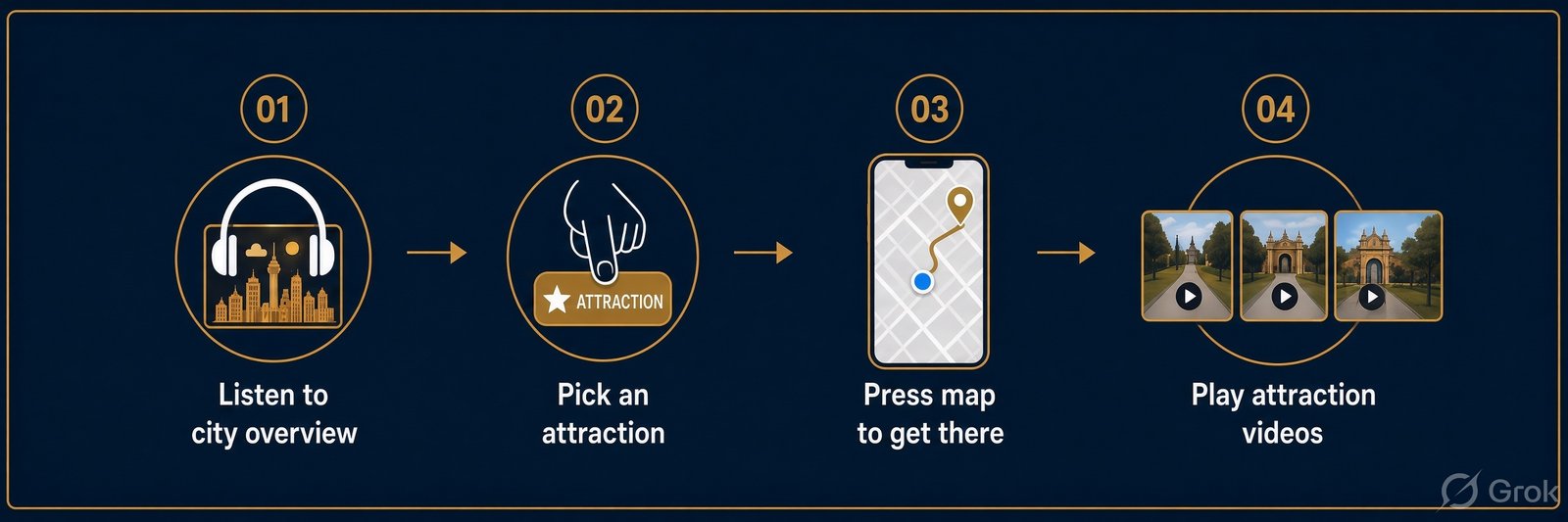
The fast train from Ben Gurion Airport and Tel Aviv arrives at Jerusalem’s Yitzhak Navon station, near the central bus station, with a light rail connection to the city centre and the Old City. If you are staying near the Mount of Olives, start with Route 3 in reverse; every stop has its own Map button.
Etiquette, food and safety on your Jerusalem walking tour
Modest dress is essential on this Jerusalem walking tour. Cover your shoulders and knees at every holy site, and carry a scarf. Men cover their heads at the Western Wall, where paper kippot are provided, and women may be asked to cover their hair at some sites. Speak quietly, avoid blocking worshippers, do not touch people who are praying, and follow the instructions of guards and religious staff.
Jerusalem’s markets are full of food. Try fresh hummus, falafel and ka’ak, the sesame bread sold in the Old City, sweet knafeh, and pastries and spices from Mahane Yehuda market in the new city. Many restaurants in the west of the city are kosher and close on Shabbat. Tipping is customary in restaurants, usually around ten to fifteen percent. Tap water is safe to drink, but carry plenty in summer.
Security checks are normal at the Western Wall, the Temple Mount ramp and Yad Vashem, so carry ID and leave large bags at your hotel. Follow official travel advice and the instructions of local authorities, and avoid demonstrations. Watch your bag in the crowded lanes and markets, wear shoes with good grip, because the old stone steps are polished and slippery, and drink water between stops.
Free sights, museums and accessibility on a Jerusalem walking tour
Most sights on this Jerusalem walking tour are free. Jaffa Gate, the Jewish Quarter lanes, the Western Wall, the Church of the Holy Sepulchre, King David’s Tomb, the Cenacle, Lions Gate and the Garden of Gethsemane cost nothing to visit, and entry to Yad Vashem is free with a timed booking. You pay for the Tower of David museum and ramparts, and for some smaller museums and excavation sites in the Old City.
Children, students and seniors often get reduced prices at paid museums. Yad Vashem has guidelines on the age of children visiting the Holocaust History Museum, so read them before you take young children. Prices, rules and visiting hours change, so check the official sites before your Jerusalem walking tour.
Accessibility inside the walls takes planning. The Old City has many steps, steep slopes and polished stone, and the routes between the quarters are hard for wheelchairs. The Western Wall plaza has accessible routes, and parts of the Jewish Quarter have ramps and lifts. Yad Vashem is largely accessible, and the light rail is step-free. Ask each site about accessible entrances before you go.
The Old City is traditionally divided into four quarters, Jewish, Christian, Muslim and Armenian, and the walk passes through all of them in a few hours. Notice how the signs, shops, food and sounds change as you cross from one quarter to the next, and listen for church bells and the call to prayer.
After this Jerusalem walking tour, carry on with more free walks: the Tel Aviv walking tour on the coast, the Istanbul walking tour, the Rome walking tour and the Athens walking tour. You can browse every city on the Free City Tours home page.
Jerusalem walking tour FAQ
Is this Jerusalem walking tour really free?
Yes. All 50 video stops on this Jerusalem walking tour are free to watch, and the Western Wall, the Church of the Holy Sepulchre, the Old City lanes, Gethsemane and Yad Vashem are free to visit. You only pay for the Tower of David and a few small museums. It is a genuine free walking tour Jerusalem visitors can follow at their own pace.
How long does the Jerusalem walking tour take?
Allow two days. The Old City from Jaffa Gate to the Holy Sepulchre fills one long day, and Mount Zion, Gethsemane and Yad Vashem fill another. Plan around Shabbat and the Temple Mount visiting hours.
Where does the Jerusalem walking tour start?
It starts in the plaza outside Jaffa Gate, on the western side of the Old City, close to the City Hall light rail stop. You can join at any stop, because each one has its own Map button and five short videos.
Is the Jerusalem walking tour suitable for children and wheelchair users?
Older children usually enjoy the ramparts, the gates and the markets. Wheelchair users should expect steps and slopes inside the walls, though the Western Wall plaza, Yad Vashem and the light rail are much easier.
Do I need an app or mobile data for the Jerusalem walking tour?
You don’t need an app. Open this page in your phone’s browser and play the videos as you go. The videos stream, so use mobile data or Wi-Fi, and keep your phone away during prayers and on Shabbat at the Western Wall.