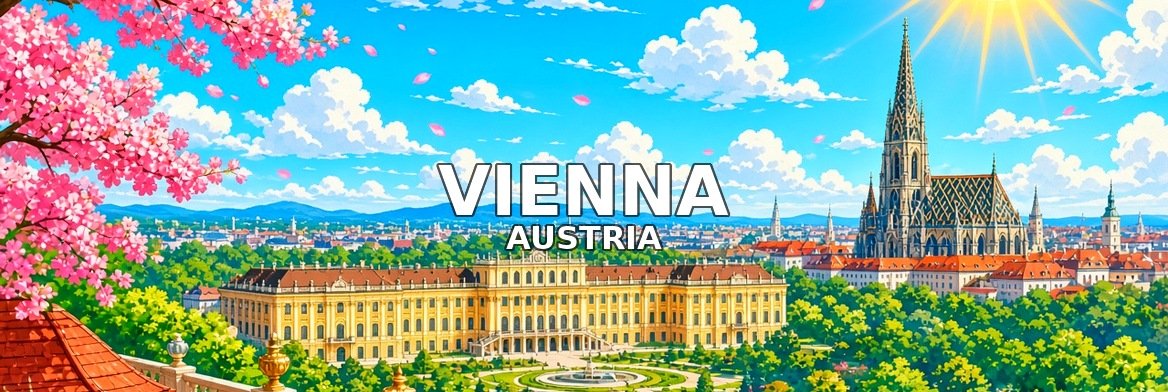
Vienna Walking Tour: 50 Free Video Stops
Free City ToursVienna walking tour · freecitytours.org
How to tour Vienna
Vienna is the capital of Austria, on the Danube at the eastern edge of the Alps. For centuries it was the seat of the Habsburg emperors, and it remains a city of palaces, coffee houses and music.
The old centre is ringed by the Ringstrasse, a grand boulevard lined with the Opera, the museums and the Hofburg. Saint Stephen’s Cathedral stands at its heart, the Belvedere lies just to the south east, the Prater to the north east, and Schonbrunn Palace further out to the west.
On this walk you visit Schonbrunn Palace, Saint Stephen’s Cathedral, the Hofburg, the Belvedere, the Prater and its Giant Ferris Wheel, the Kunsthistorisches Museum, the Spanish Riding School, the Naschmarkt, the Ringstrasse and the Vienna State Opera.
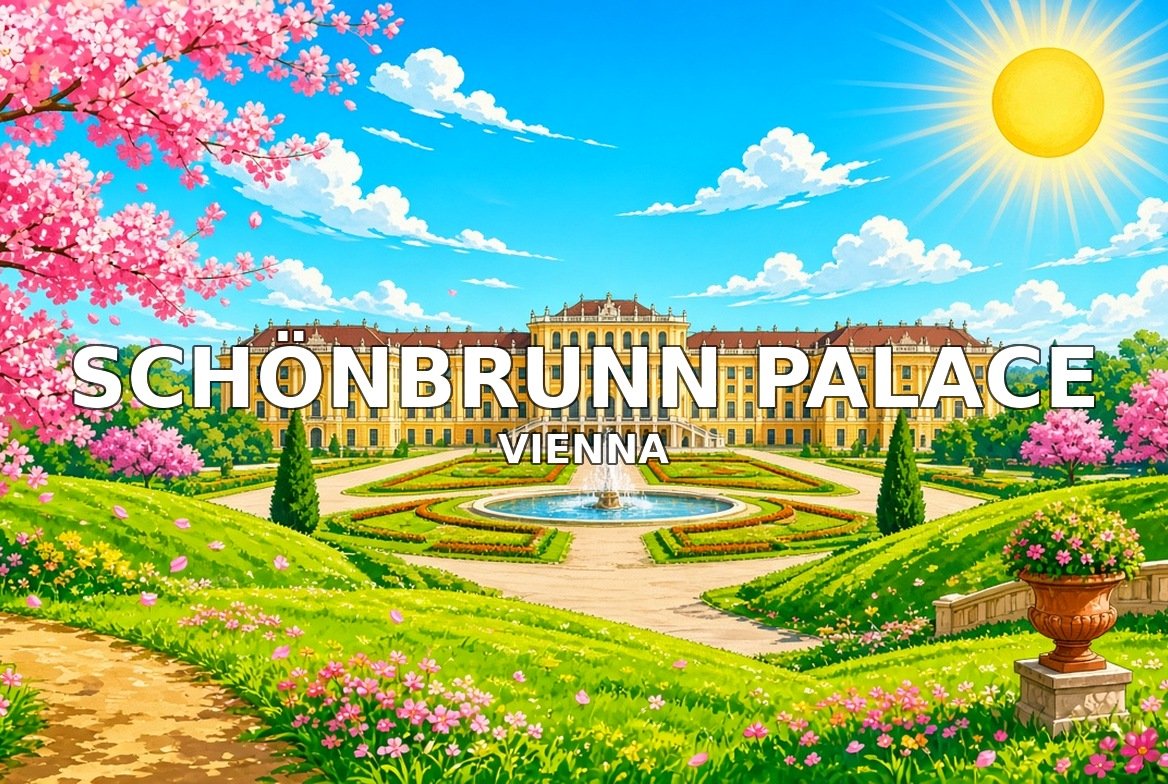
1. Vienna walking tour: Schönbrunn Palace
U4 to Schönbrunn · start here · 2–3 hours
The first stop on this Vienna walking tour, Schönbrunn, was the summer residence of the Habsburgs. Building began in 1696 to designs by Johann Bernhard Fischer von Erlach, and Empress Maria Theresa had the palace remodelled from 1743 into the Rococo residence you see today. It has 1,441 rooms. The six year old Mozart played for the empress in the Hall of Mirrors in 1762, and Emperor Franz Joseph was born here in 1830 and died here in 1916. Palace and gardens have been a UNESCO World Heritage Site since 1996. The Baroque gardens climb to the Gloriette, built in 1775, with a view over the city, and the zoo, founded in 1752, is the oldest zoo in the world still in operation. The gardens are free; the state rooms, the Gloriette terrace and the zoo need tickets.
Walk this order. The palace front and courtyard → life of the Habsburgs → the state rooms → the Baroque gardens → up to the Gloriette and over to the zoo → U4 and U1 to Stephansplatz, about 25 minutes.
03 · Tour · videos inside this sight
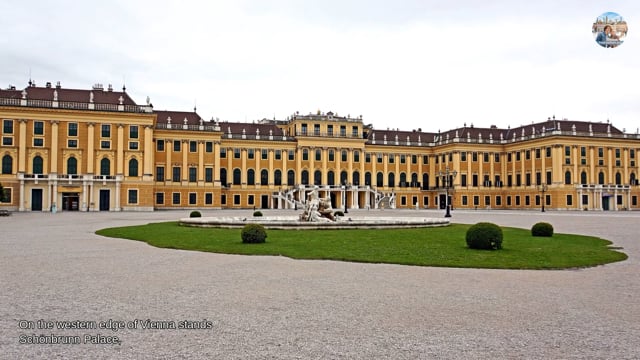
The Imperial Summer Palace
Life of the Habsburgs
The State Rooms
The Baroque Gardens
The Gloriette and the Zoo
Advertisement
2. Vienna walking tour: St. Stephen’s Cathedral
From stop 1 · about 25 minutes by U4 and U1 to Stephansplatz · 60 minutes
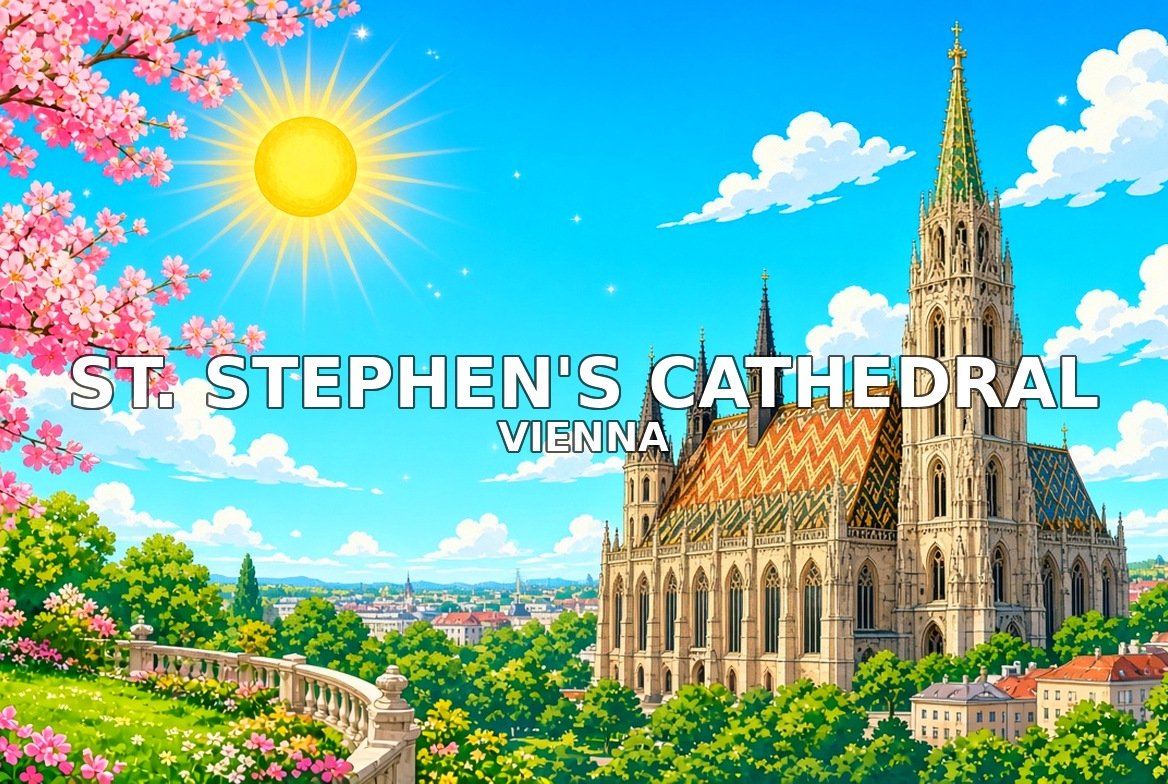
St. Stephen’s Cathedral, the Stephansdom, stands at the very centre of Vienna and at the heart of any Vienna walking tour. A Romanesque church was consecrated here in 1147; the Gothic rebuilding began under Duke Rudolf IV in 1359, and the south tower, 136 metres high and nicknamed Steffl, was finished in 1433. The steep roof is covered with about 230,000 glazed tiles that form the double headed eagle and the coats of arms of Vienna and Austria. Inside, the late Gothic stone pulpit of around 1500 is famous for its carved Fathers of the Church and the stone master peering out from a window below. The cathedral burned in April 1945 and reopened in 1952; the great bell, the Pummerin, was recast after the fire and hangs in the north tower. Below lie the catacombs with the tombs of bishops and Habsburg remains. Entry to the nave is free; the towers, catacombs and full interior need tickets.
Walk this order. Stephansplatz and the west front → the tiled roof and the towers → inside the cathedral → the stone pulpit → the bells, the catacombs and the cathedral at night → 10 minutes west along Graben and Kohlmarkt to the Hofburg.
03 · Tour · videos inside this sight
The Heart of Vienna
The Tiled Roof and the Towers
Inside the Cathedral
The Stone Pulpit
Bells, Catacombs and Night
Advertisement
3. Vienna walking tour: Hofburg Palace
From stop 2 · 10 minutes west along Graben and Kohlmarkt · 2 hours
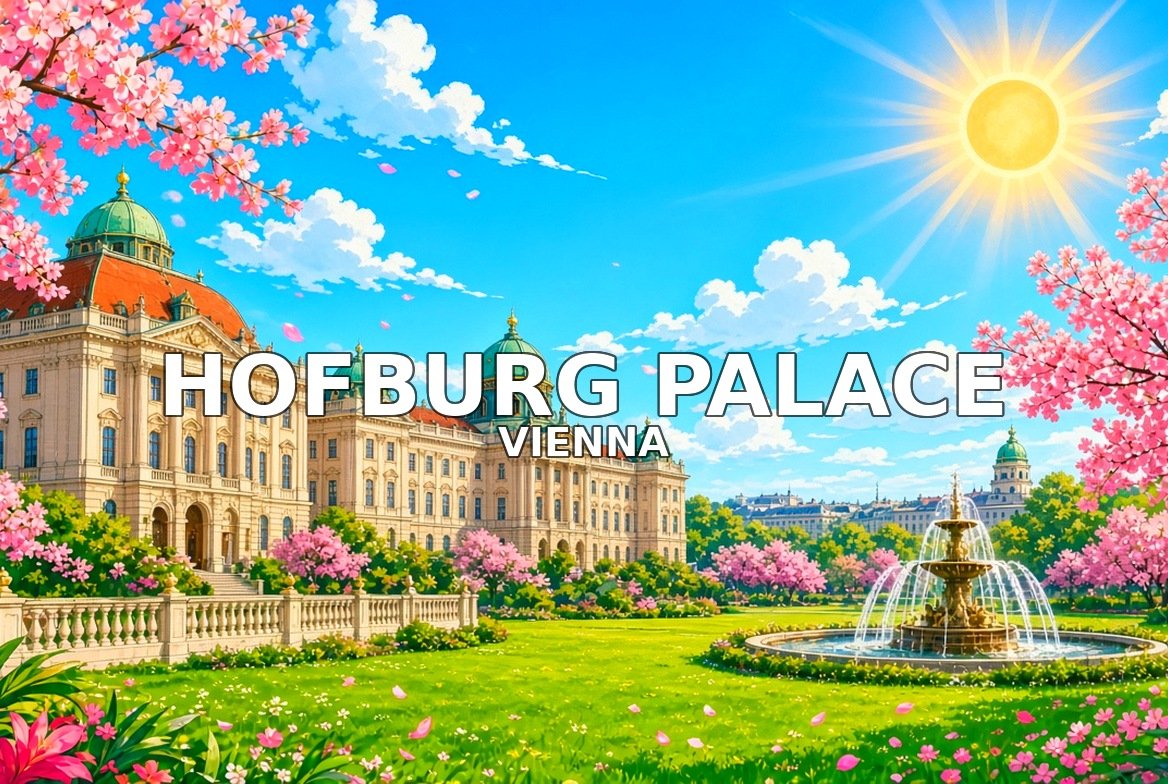
This stop on the Vienna walking tour, the Hofburg, was the main residence of the Habsburgs from the 13th century until 1918, and today it houses the office of the Austrian Federal President. Each ruler added a wing, so the palace runs from the medieval Swiss Court to the curved Neue Burg on Heldenplatz, finished in 1913. The State Hall of the Austrian National Library, built in the 1720s to designs by the Fischer von Erlach father and son, is one of the most beautiful library halls in the world, with about 200,000 old volumes under a painted dome. One ticket covers the Imperial Apartments, the Sisi Museum and the Imperial Silver Collection, with the tableware of the imperial court. Behind the palace, the Burggarten holds the Mozart monument and the Art Nouveau Palm House, built from 1901 to 1906. The courtyards, Heldenplatz and the Burggarten are free; the museums need tickets.
Walk this order. Michaelerplatz and the palace courtyards → Heldenplatz and the Neue Burg → the State Hall of the library → the Imperial Silver Collection → the Burggarten and the Palm House → tram D from the Ring to Schloss Belvedere, or 25 minutes on foot.
03 · Tour · videos inside this sight
The Imperial Palace
Heldenplatz and the Neue Burg
The State Hall of the Library
The Imperial Silver Collection
The Burggarten and Palm House
Advertisement
4. Vienna walking tour: Belvedere Palace
From stop 3 · tram D to Schloss Belvedere, or 25 minutes on foot · 2 hours
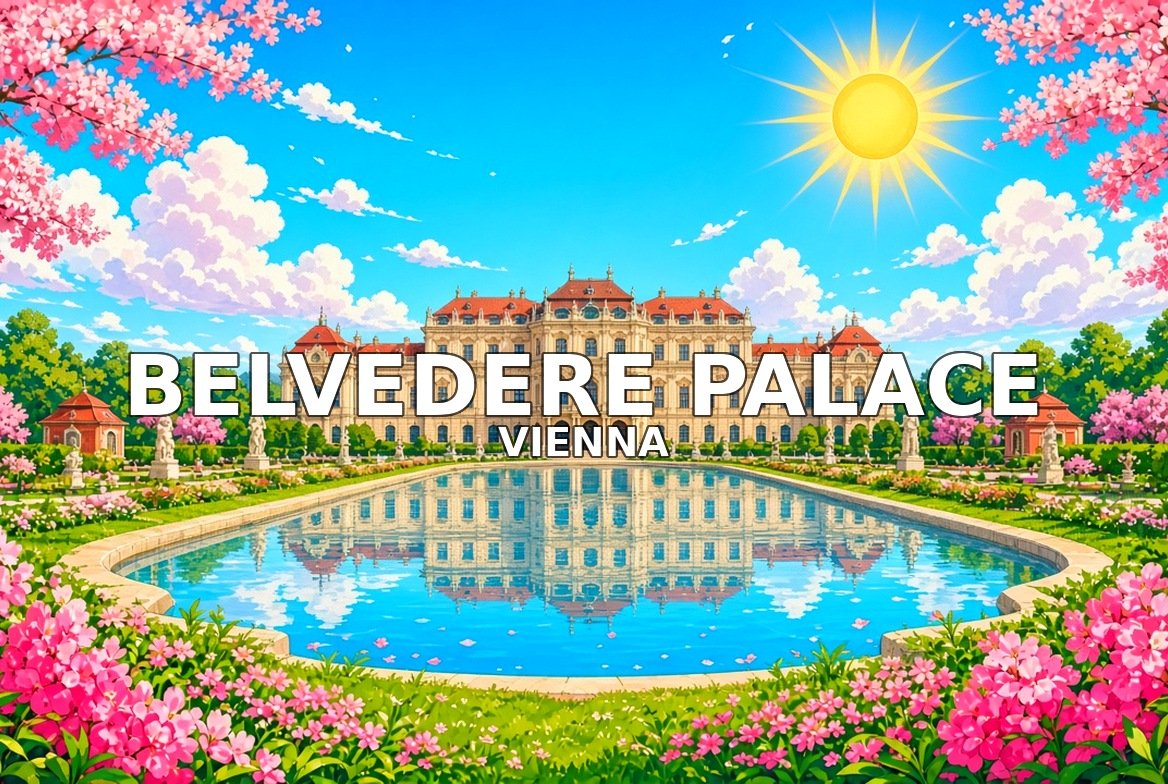
On this Vienna walking tour you visit the Belvedere, the summer palace of Prince Eugene of Savoy, the general who defeated the Ottomans. Johann Lukas von Hildebrandt built the Lower Belvedere from 1712 to 1716 and the Upper Belvedere from 1717 to 1723, linked by a terraced Baroque garden with a view across the city to the cathedral. In 1955 the Austrian State Treaty, which restored Austria’s independence, was signed in the Marble Hall of the Upper Belvedere. Today both palaces are an art museum. The Upper Belvedere holds the world’s largest collection of paintings by Gustav Klimt, including The Kiss of 1907 and 1908, alongside works by Egon Schiele and Oskar Kokoschka. The gardens are free; the museums need tickets.
Walk this order. Prince Eugene’s palace → the gardens and the view → the Lower Belvedere → inside the Upper Belvedere → Klimt and The Kiss → tram and U-Bahn to Praterstern, about 25 minutes.
03 · Tour · videos inside this sight
Prince Eugene’s Palace
The Gardens and the View
The Lower Belvedere
Inside the Upper Belvedere
Klimt and The Kiss
Advertisement
5. Vienna walking tour: Prater and Giant Ferris Wheel
From stop 4 · about 25 minutes by tram and U-Bahn to Praterstern · 2 hours
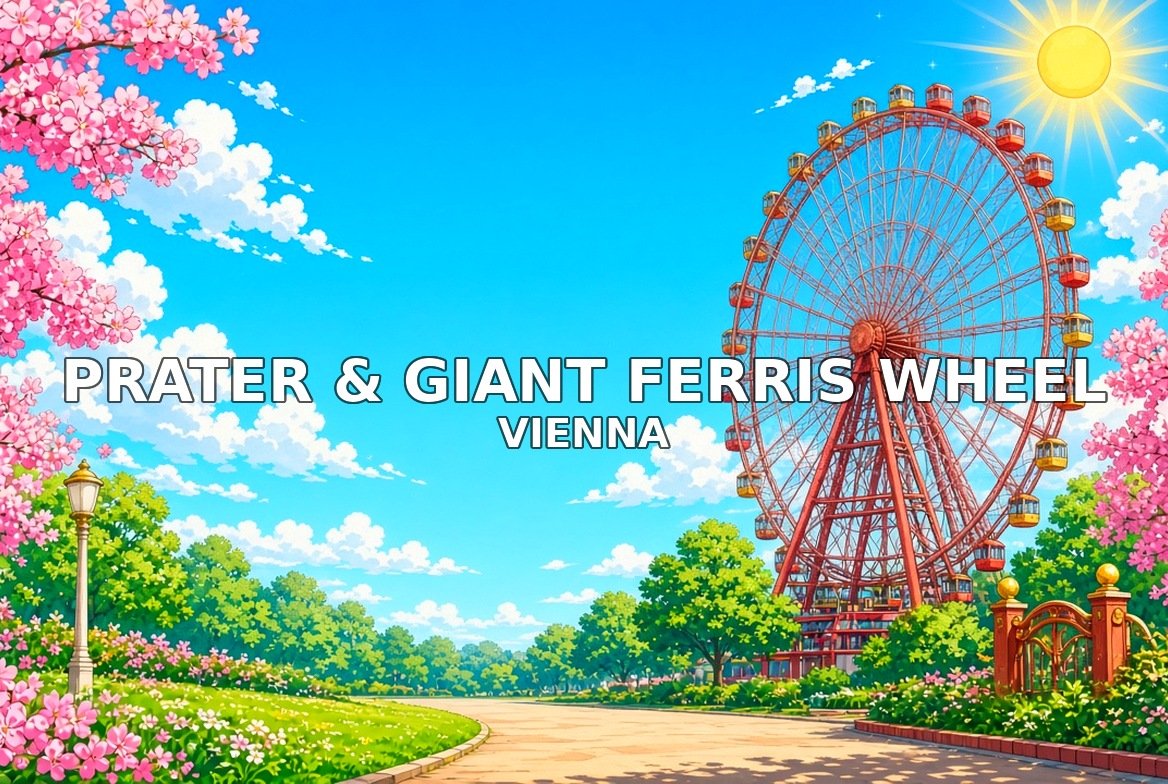
The Prater, the green stop of this Vienna walking tour, was an imperial hunting ground until Emperor Joseph II opened it to the public in 1766. Its landmark is the Giant Ferris Wheel, the Riesenrad, built in 1897 by the English engineer Walter Basset and about 65 metres high. It burned in 1945 and was rebuilt with 15 cabins instead of the original 30, and it starred in the 1949 film The Third Man. Around it spreads the Wurstelprater amusement park, with rides old and new. The Hauptallee, a chestnut avenue about 4.4 kilometres long, runs straight through the park to the Lusthaus, an imperial pavilion. A miniature railway, the Liliputbahn, circles through the green, and the Schweizerhaus beer garden is famous for its pork knuckle. The park is free; the wheel and rides need tickets.
Walk this order. The Giant Ferris Wheel → a ride on the wheel → the Wurstelprater → the Hauptallee and the Lusthaus → the little train and the beer garden → U1 or U2 back to the centre for the Kunsthistorisches Museum, about 25 minutes.
03 · Tour · videos inside this sight
The Giant Ferris Wheel
A Ride on the Wheel
The Wurstelprater
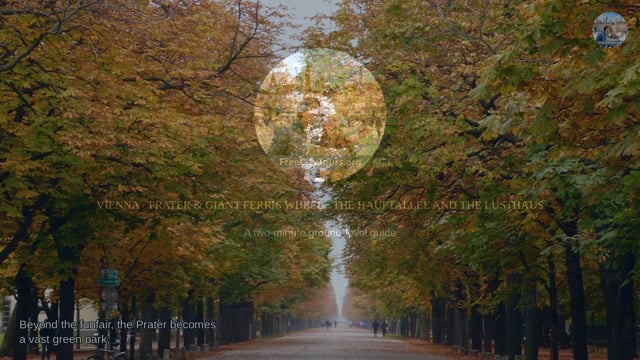
The Hauptallee and the Lusthaus
The Little Train and the Beer Garden
Advertisement
6. Vienna walking tour: Kunsthistorisches Museum
From stop 5 · about 25 minutes by U-Bahn to Museumsquartier or Volkstheater · 2–3 hours
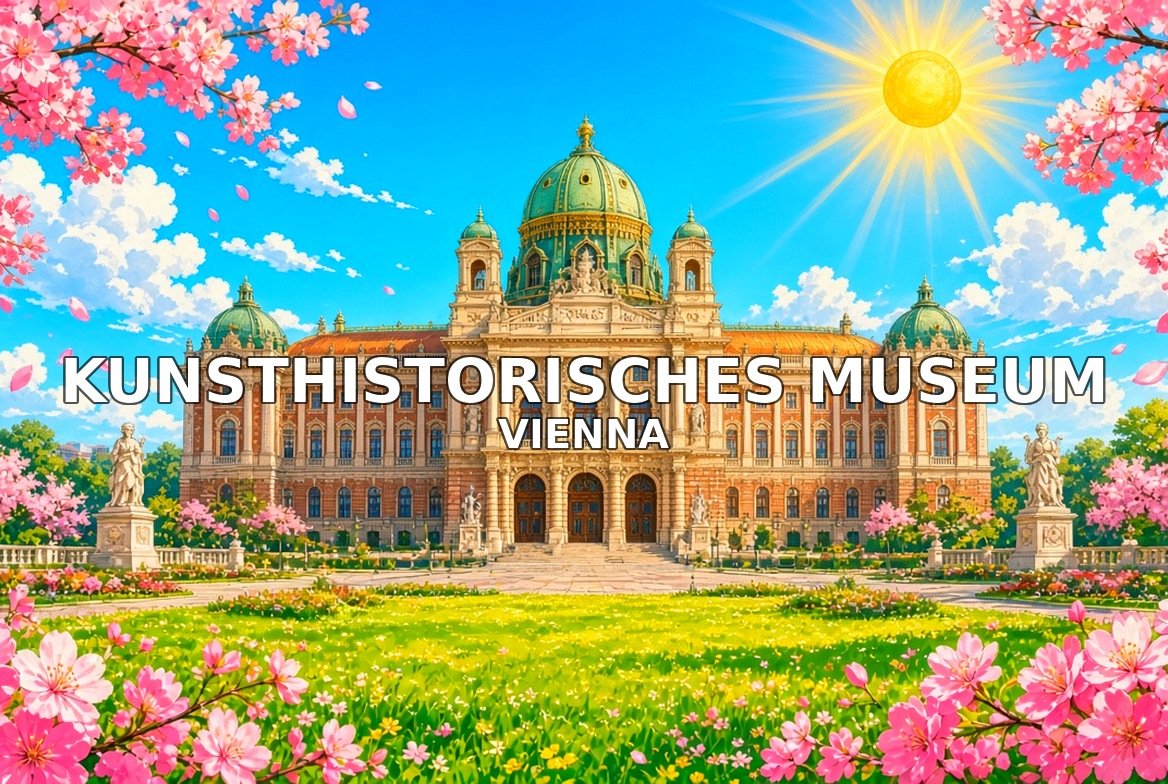
On the Vienna walking tour, the Kunsthistorisches Museum is a highlight: it opened in 1891 to show the art collections of the Habsburgs. Gottfried Semper and Carl von Hasenauer designed it as a palace for art, facing its twin, the Natural History Museum, across Maria-Theresien-Platz. The grand staircase rises under a dome, and the young Gustav Klimt, his brother Ernst and Franz Matsch painted the panels between its columns. The picture gallery holds the largest collection of paintings by Pieter Bruegel the Elder in the world, among them The Tower of Babel and Hunters in the Snow, with works by Titian, Raphael, Rubens and Vermeer. The Kunstkammer shows the treasures of the emperors’ cabinets of curiosities, including Cellini’s golden salt cellar, the Saliera. There is also an Egyptian and Near Eastern collection, a coin cabinet and a café under the dome. The museum needs a ticket.
Walk this order. A palace for art → the grand staircase → Bruegel’s masterpieces → the Kunstkammer → Egypt, the coins and the café → 10 minutes across Heldenplatz to the Spanish Riding School.
03 · Tour · videos inside this sight
A Palace for Art
The Grand Staircase
Bruegel’s Masterpieces
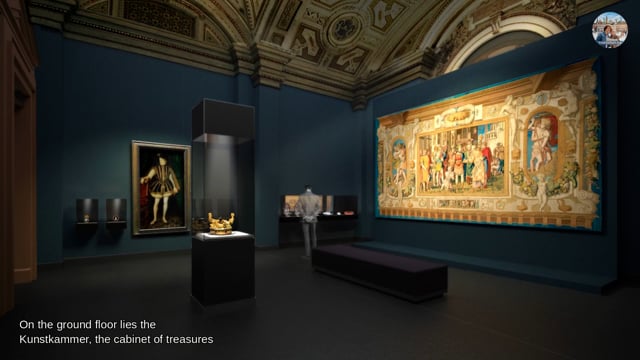
The Kunstkammer
Egypt, Coins and the Café
Advertisement
7. Vienna walking tour: Spanish Riding School
From stop 6 · 10 minutes through the Hofburg to Michaelerplatz · 60–90 minutes
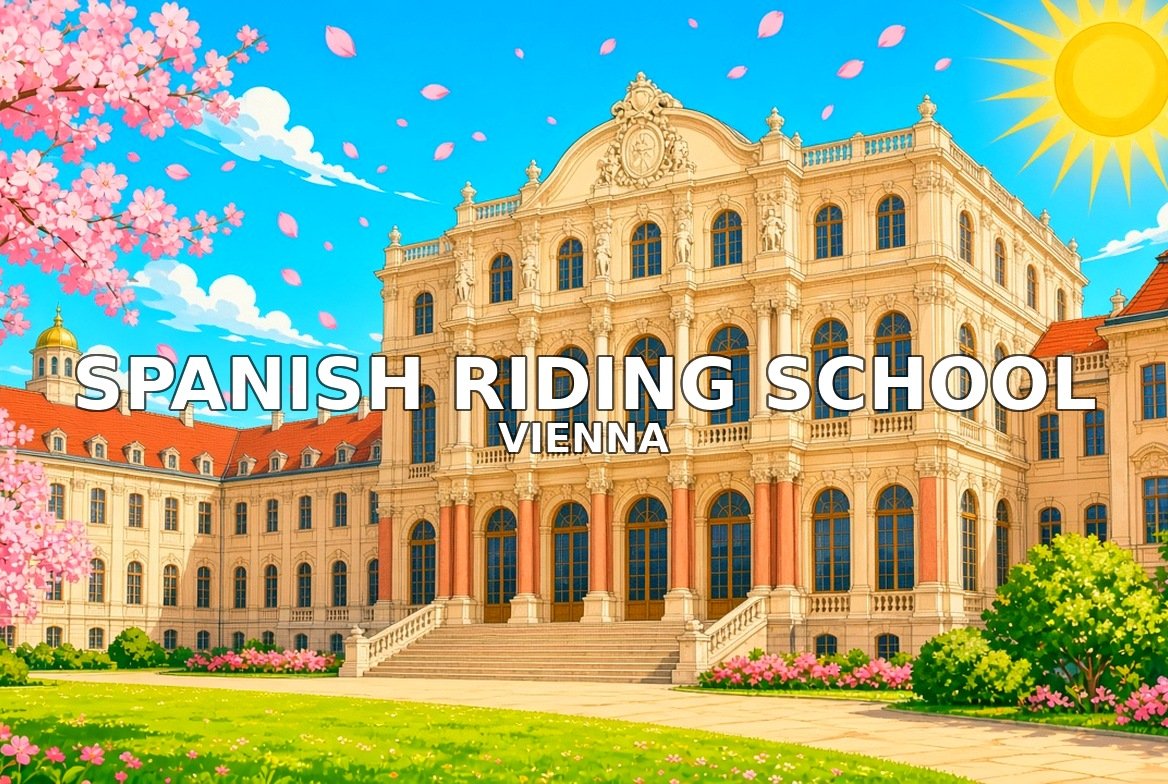
This Vienna walking tour also visits the Spanish Riding School, which, first recorded in 1565, is the oldest riding school of its kind in the world, and the only one that has practised classical horsemanship in the Renaissance tradition without a break. Its name comes from the Spanish horses from which the Lipizzaners descend. The white stallions live in the Stallburg, a Renaissance wing of the Hofburg, and are bred at the stud in Piber in Styria. They perform in the Winter Riding School, built from 1729 to 1735 to designs by Joseph Emanuel Fischer von Erlach, a white Baroque hall with chandeliers and the portrait of Emperor Charles VI. The school’s classical horsemanship has been on the UNESCO list of intangible cultural heritage since 2015. Performances, morning exercise sessions and guided tours all need tickets.
Walk this order. The Stallburg → the Lipizzaners → the Winter Riding School → the performance → behind the scenes → 15 minutes south past the Opera to the Naschmarkt.
03 · Tour · videos inside this sight
The Stallburg
The Lipizzaners
The Winter Riding School
The Performance
Behind the Scenes
Advertisement
8. Vienna walking tour: Naschmarkt
From stop 7 · 15 minutes south past the Opera · 60–90 minutes
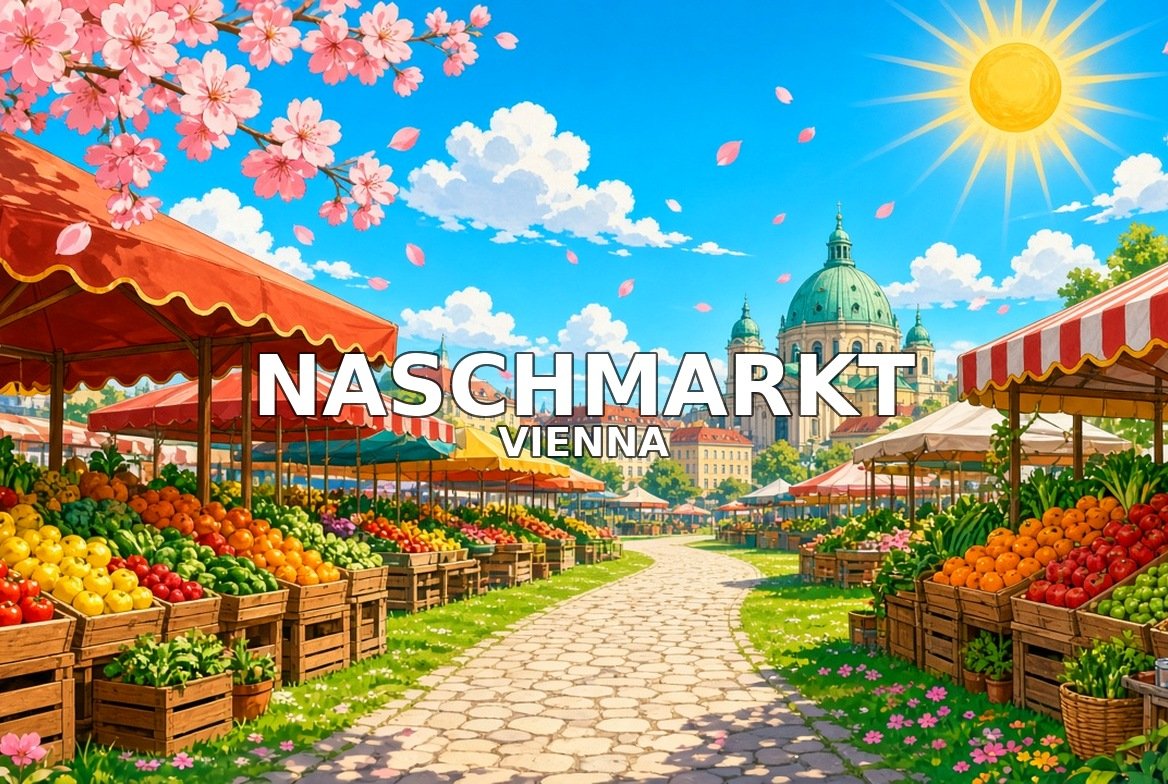
For food on this Vienna walking tour, the Naschmarkt is Vienna’s best known market, about 1.5 kilometres of stalls between the Linke and Rechte Wienzeile, built over the vaulted Wien river. There has been a market here since the late 18th century. Fruit, vegetables, cheese, spices, olives and fish sit next to snack bars and restaurants from all over the world, and on Saturdays a large flea market sets up at the Kettenbrückengasse end. Along Linke Wienzeile stand two apartment houses by Otto Wagner from 1898 and 1899, the Majolikahaus with its flower tiles and its gilded neighbour. At the city end rises the Secession, built in 1897 and 1898 by Joseph Maria Olbrich under its dome of golden laurel leaves; inside is Klimt’s Beethoven Frieze. The market is free and closed on Sundays; the Secession needs a ticket.
Walk this order. Into the market → the stalls, a feast for the senses → eating at the market → the Saturday flea market → Otto Wagner’s houses and the Secession → 15 minutes north to the Ring at the Parliament.
03 · Tour · videos inside this sight
Vienna’s Favourite Market
A Feast for the Senses
Eating at the Market
The Saturday Flea Market
Otto Wagner and the Secession
Advertisement
9. Vienna walking tour: Ringstrasse Boulevard
From stop 8 · 15 minutes north to the Parliament · 60–90 minutes
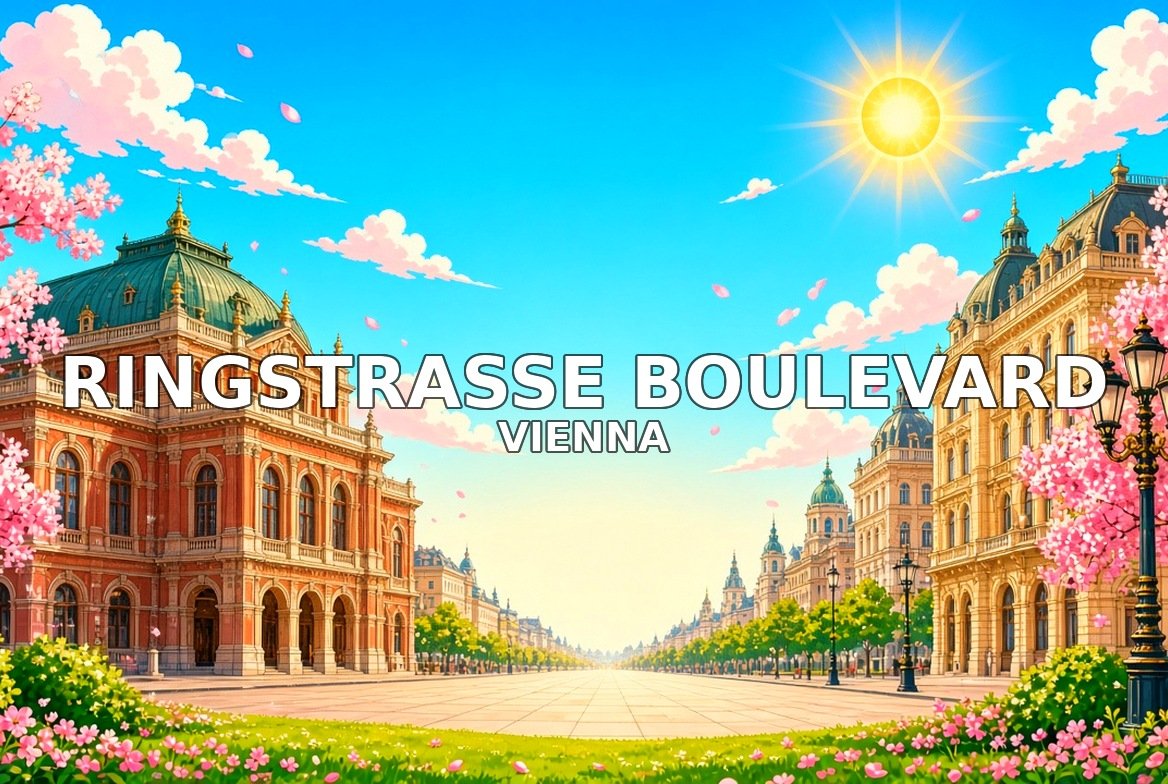
At this stop of the Vienna walking tour, you see how the Ringstrasse replaced the old city walls. Emperor Franz Joseph ordered them torn down in 1857, and the boulevard, about 5.3 kilometres long, opened in 1865, lined over the following decades with the grand public buildings of the empire. The Parliament, by Theophil Hansen, was built from 1874 to 1883 in the style of ancient Greece, with the Pallas Athena fountain in front. The neo-Gothic City Hall, by Friedrich von Schmidt, was built from 1872 to 1883. Across the Rathausplatz stands the Burgtheater, opened in 1888, and further along are the main building of the University of Vienna and the twin spires of the Votive Church. At the eastern side of the Ring, the Stadtpark, opened in 1862, holds the gilded statue of the waltz king Johann Strauss II. The Ring is part of the Historic Centre of Vienna UNESCO World Heritage Site. Free to walk, or ride trams 1 and 2 along it.
Walk this order. The grand boulevard → the Parliament → the City Hall → the Burgtheater, the University and the Votive Church → the Stadtpark and Johann Strauss → 10 minutes back along the Ring to the State Opera.
03 · Tour · videos inside this sight
The Grand Boulevard
The Parliament
The City Hall
Burgtheater, University and Votive Church
The Stadtpark and Johann Strauss
Advertisement
10. Vienna walking tour: Vienna State Opera
From stop 9 · 10 minutes along the Ring · 60 minutes, or an evening
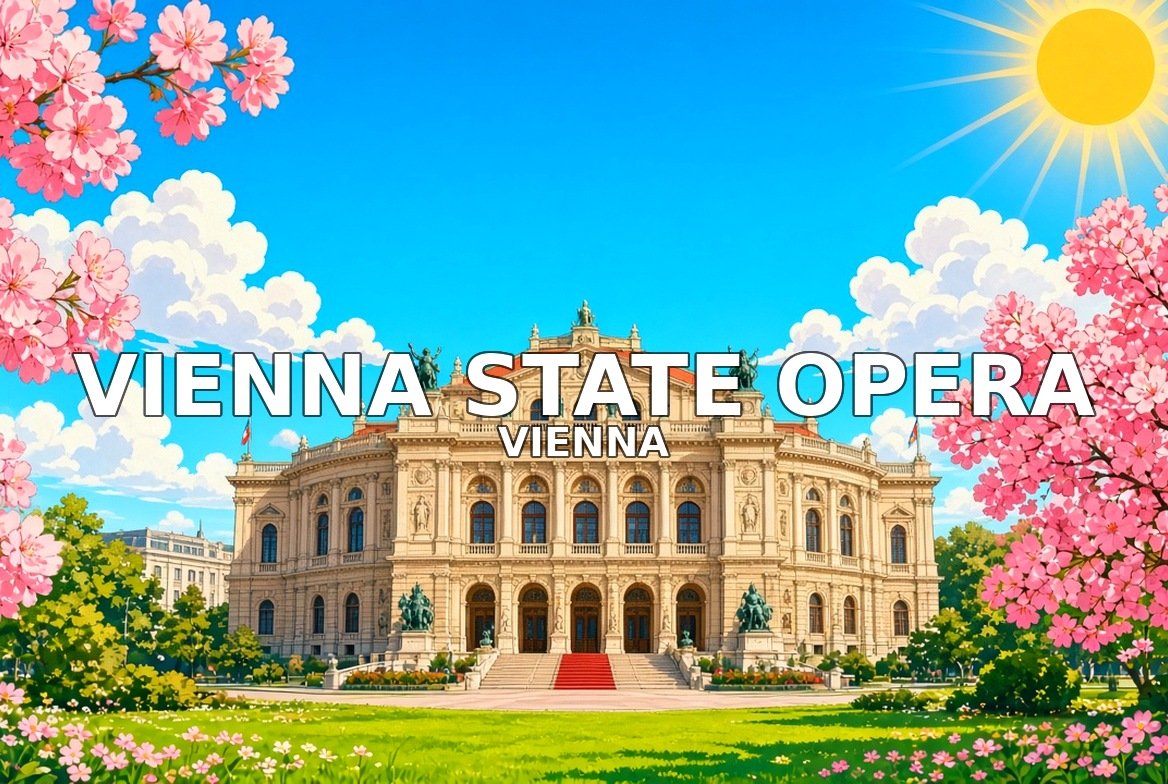
The last stop on this Vienna walking tour, the Vienna State Opera, was the first great building on the Ringstrasse. It opened on 25 May 1869 with Mozart’s Don Giovanni. Its architects, Eduard van der Nüll and August Sicard von Sicardsburg, did not live to see the opening: the building was mocked in public, van der Nüll took his own life in 1868 and Sicardsburg died a few weeks later. On 12 March 1945 bombs set the opera on fire and destroyed the auditorium, but the grand staircase and the front foyers survived. It reopened on 5 November 1955 with Beethoven’s Fidelio. The auditorium has about 1,700 seats and more than 500 cheap standing places, and once a year it becomes the dance floor of the Opera Ball. Guided tours run most days; performances need tickets.
Walk this order. The opera on the Ring → tragedy and rebirth → the grand staircase → the auditorium → the foyers and the Opera Ball → end of the tour; Stephansplatz is 10 minutes north along Kärntner Strasse.
03 · Tour · videos inside this sight
The Opera on the Ring
Tragedy and Rebirth
The Grand Staircase
The Auditorium
Foyers and the Opera Ball