Bologna Walking Tour Overview Detail
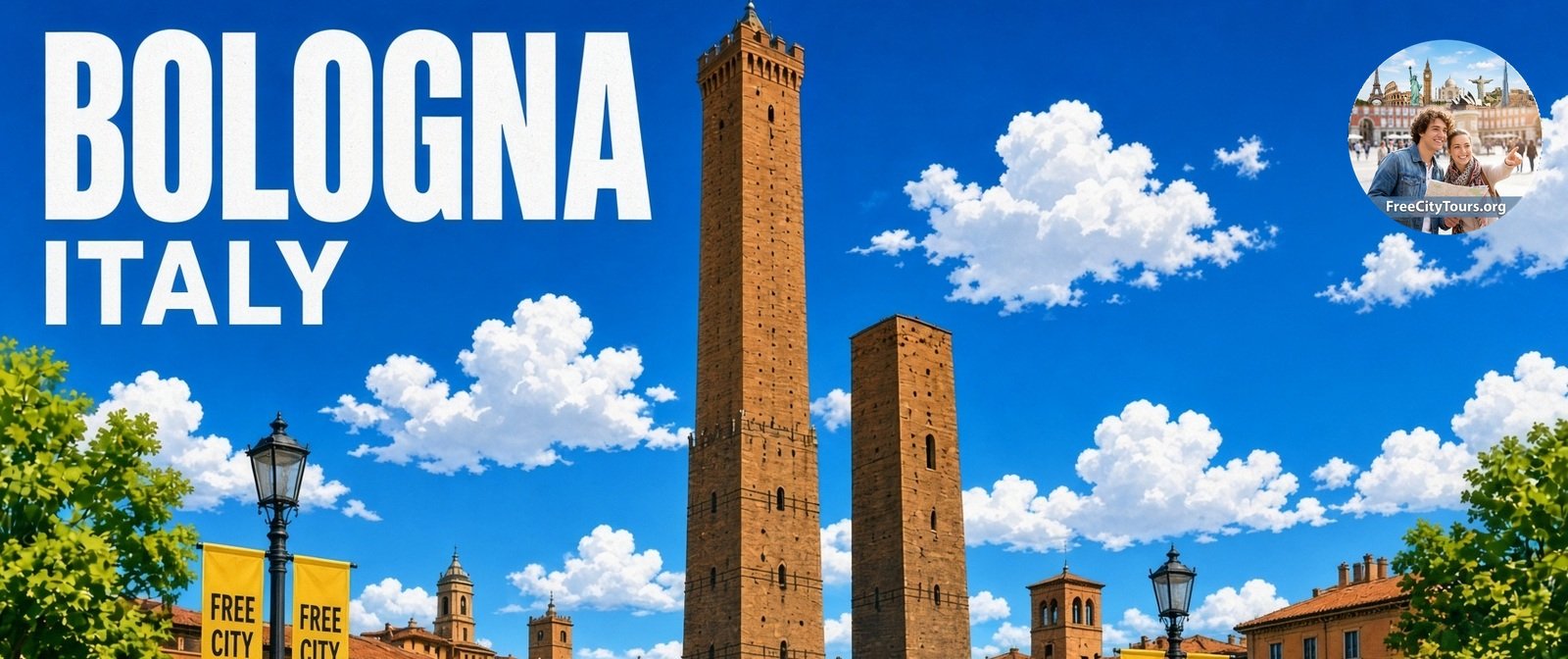
This Bologna walking tour links 10 sights and 50 short video stops narrated by Clarissa, from Piazza Maggiore and the Archiginnasio to the Civic Archaeological Museum, the Quadrilatero market streets, Mercato di Mezzo, the Two Towers, the university quarter, Santo Stefano, the portico climb to San Luca and FICO. The notes below group the stops into walkable routes and add the timing, transport, etiquette and ticket details that make the red city easier to enjoy. For official events and visitor information, also check Bologna Welcome, the official tourism website of Bologna.
Best routes for your Bologna walking tour using the 50 stops
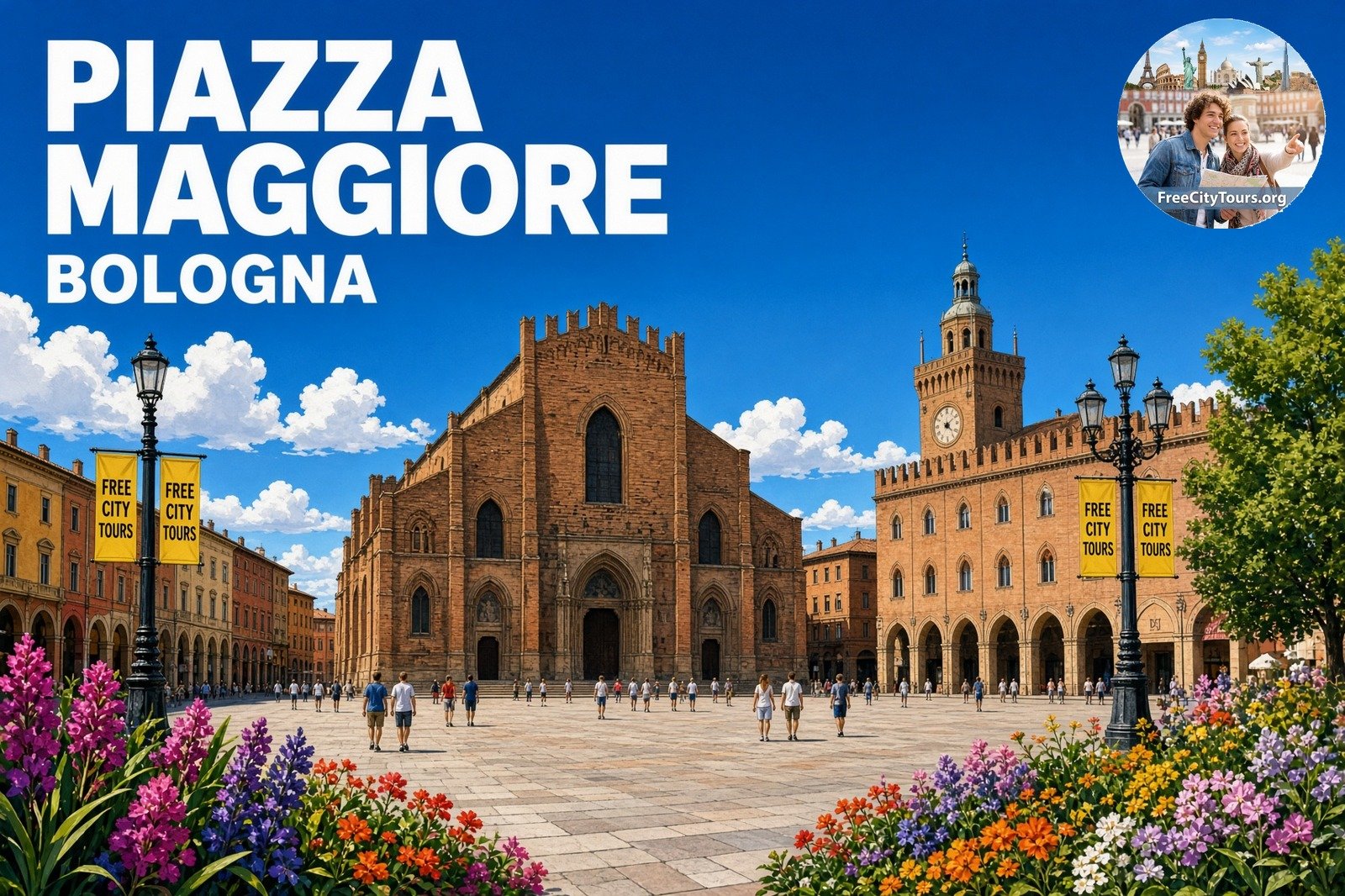
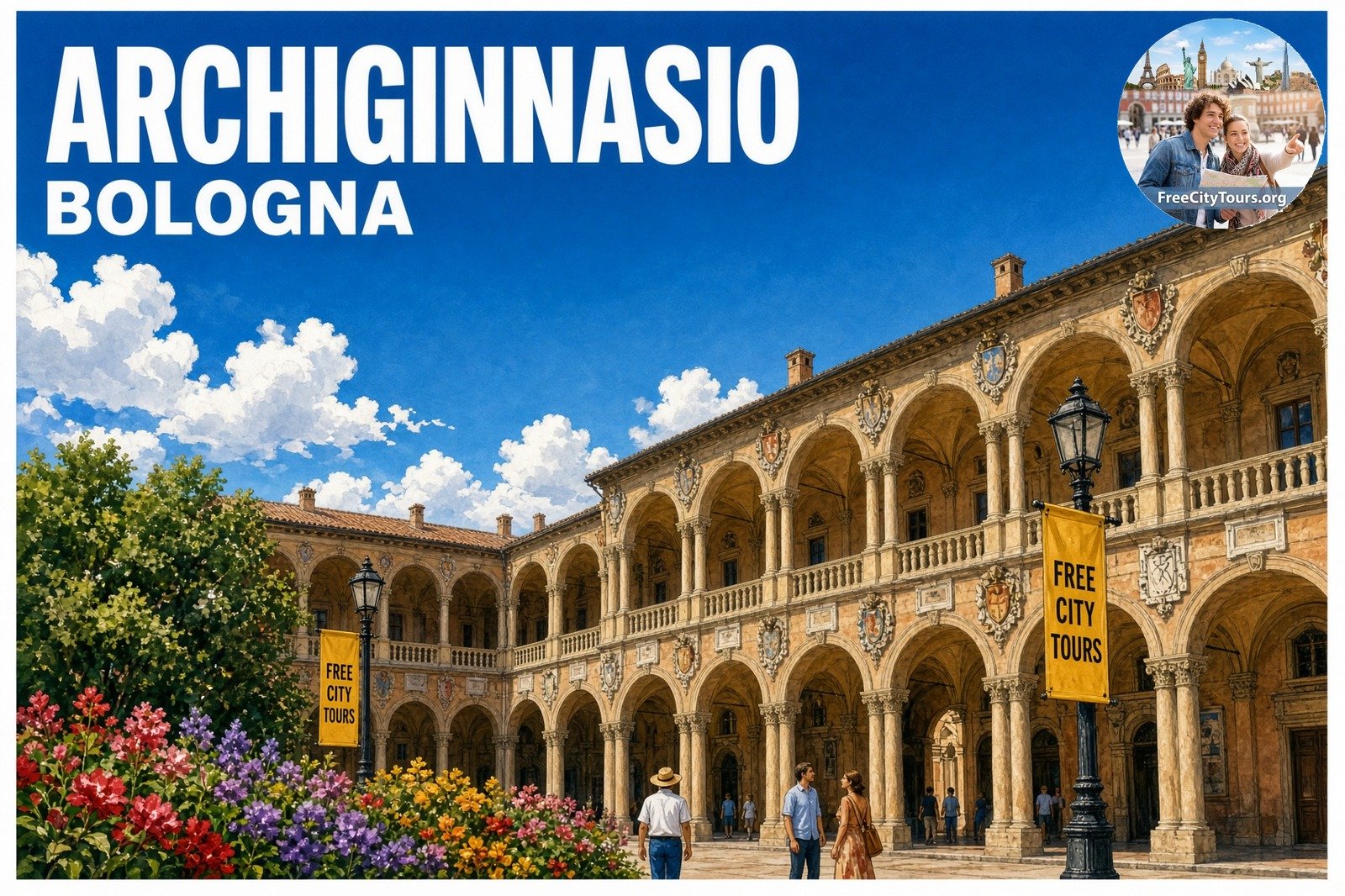
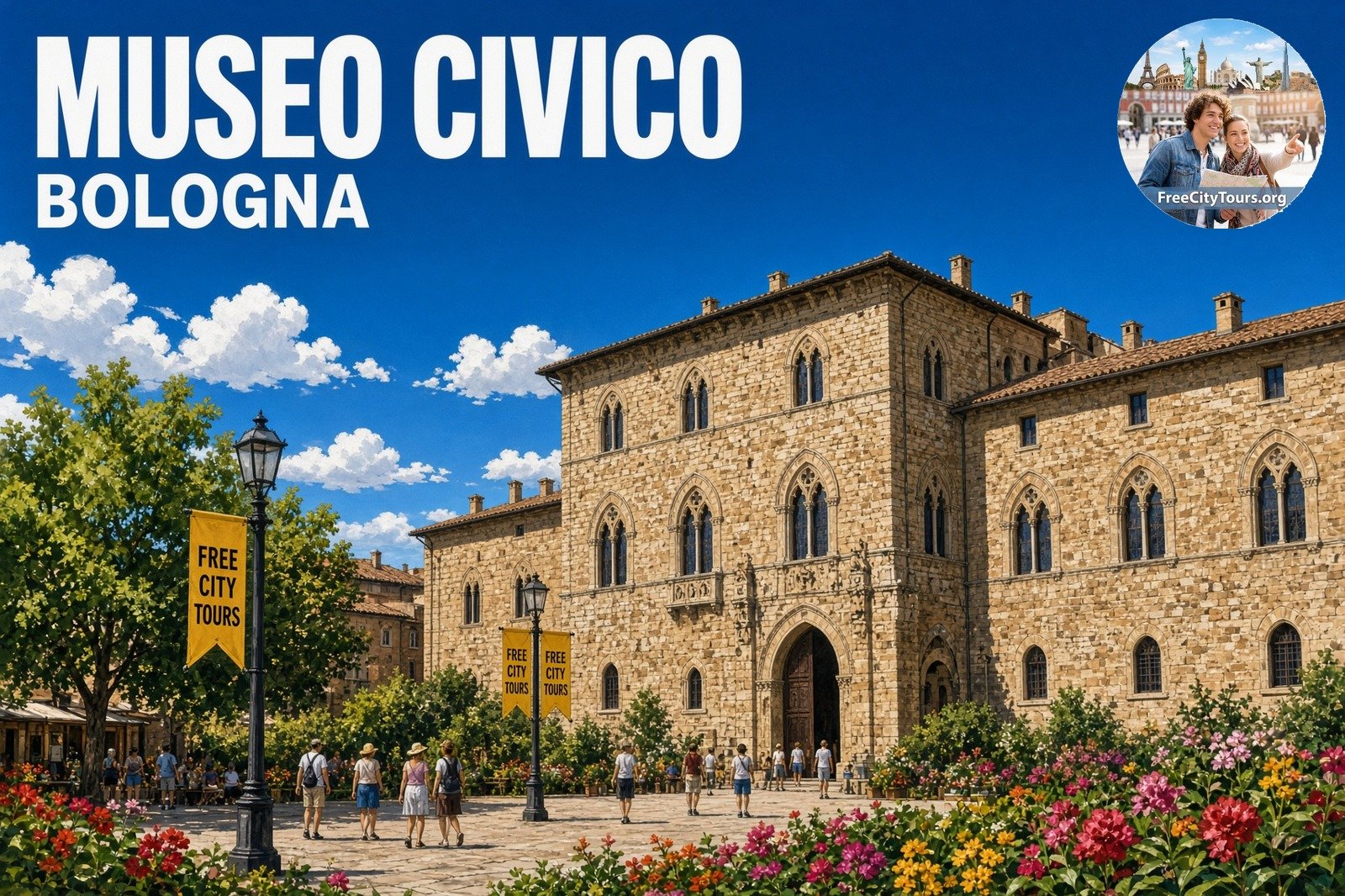
Route 1, the heart of the city (stops 1 to 3). Start on Piazza Maggiore, where the videos cover the square, the unfinished marble front of San Petronio and the Fountain of Neptune in the small square at the corner. Walk two minutes to the Archiginnasio, built in 1563 as the single seat of the university, for its courtyard of painted coats of arms and the wood-lined Anatomical Theatre, then step next door into the Civic Archaeological Museum for its Egyptian and Etruscan rooms.
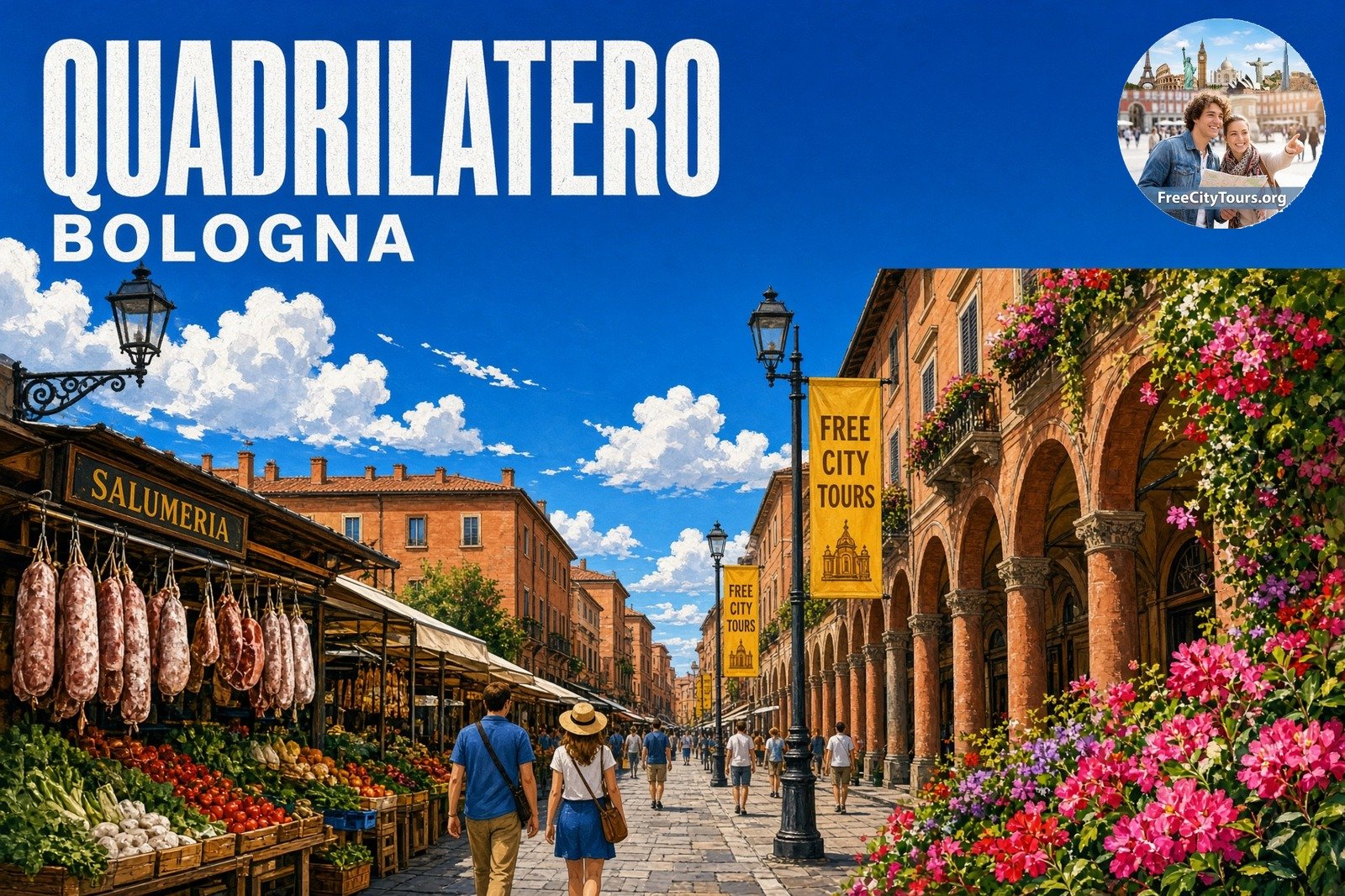
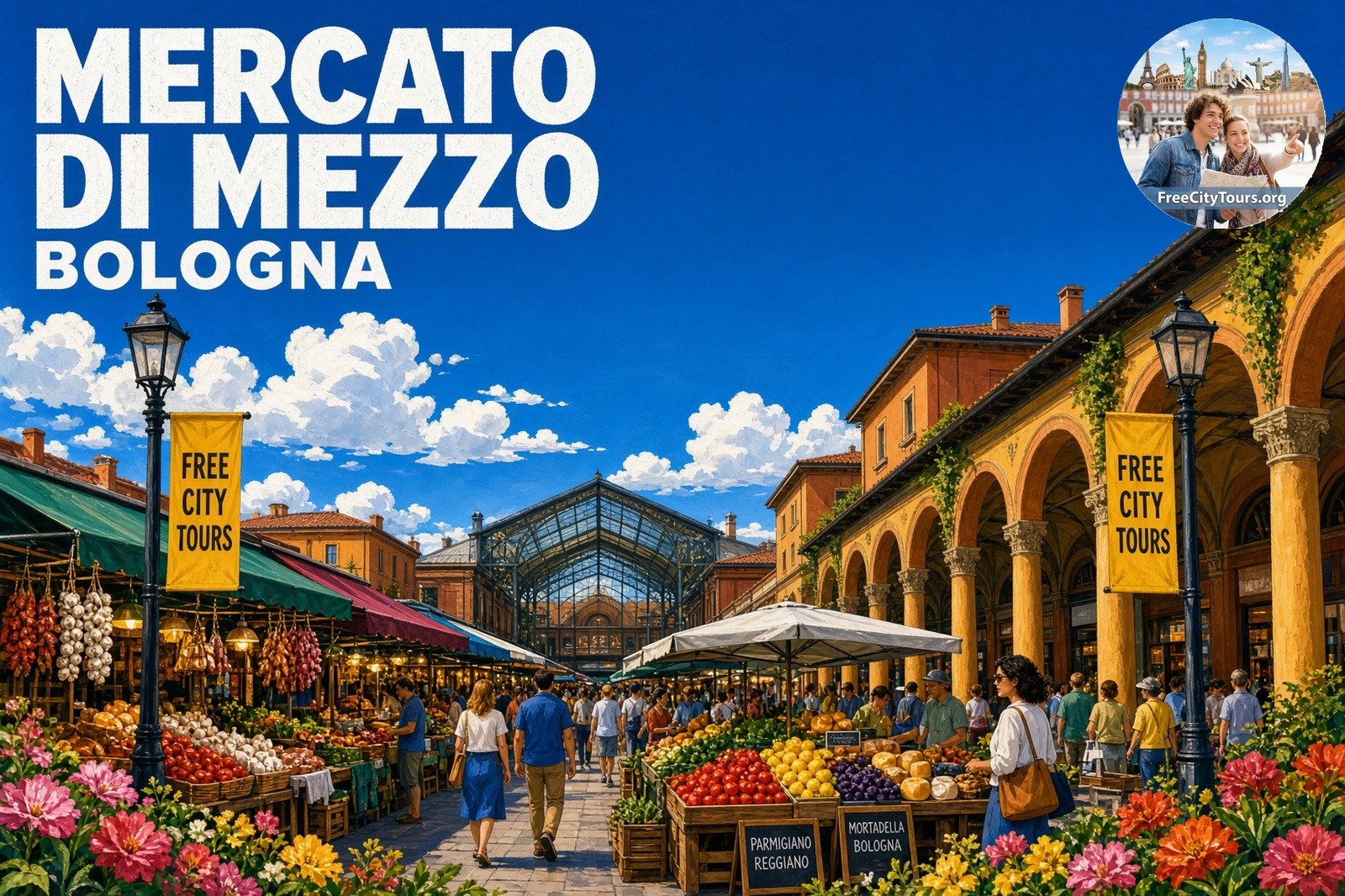
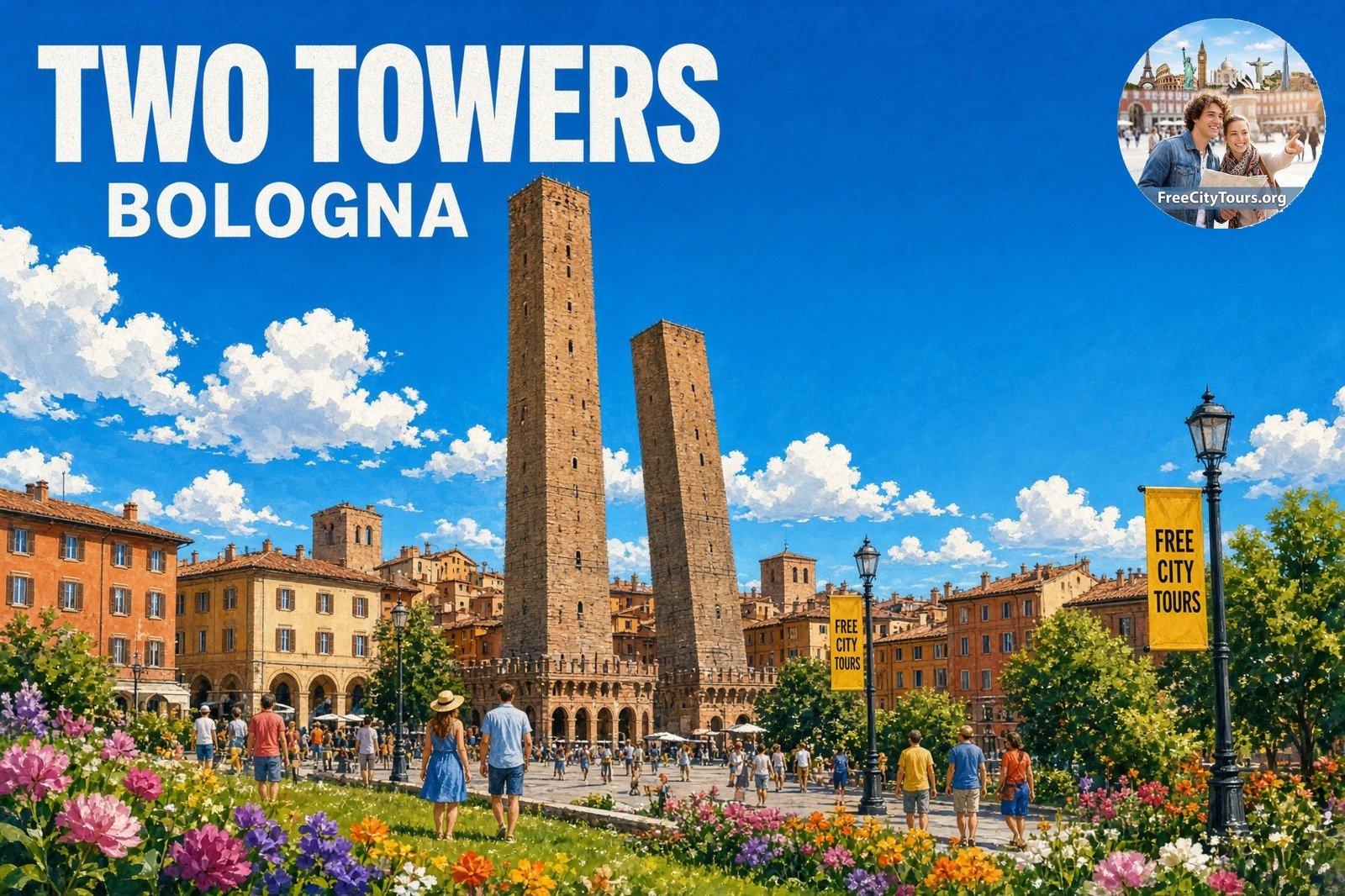
Route 2, markets and towers (stops 4 to 6). Wander into the Quadrilatero, the old market grid east of the square, along Via Clavature, Via Pescherie Vecchie and Via Drapperie, where delis, fishmongers and greengrocers still fill the ground floors. Stop at Mercato di Mezzo, the covered food hall, then walk to Piazza di Porta Ravegnana for the Two Towers, the tall Asinelli and the leaning Garisenda.
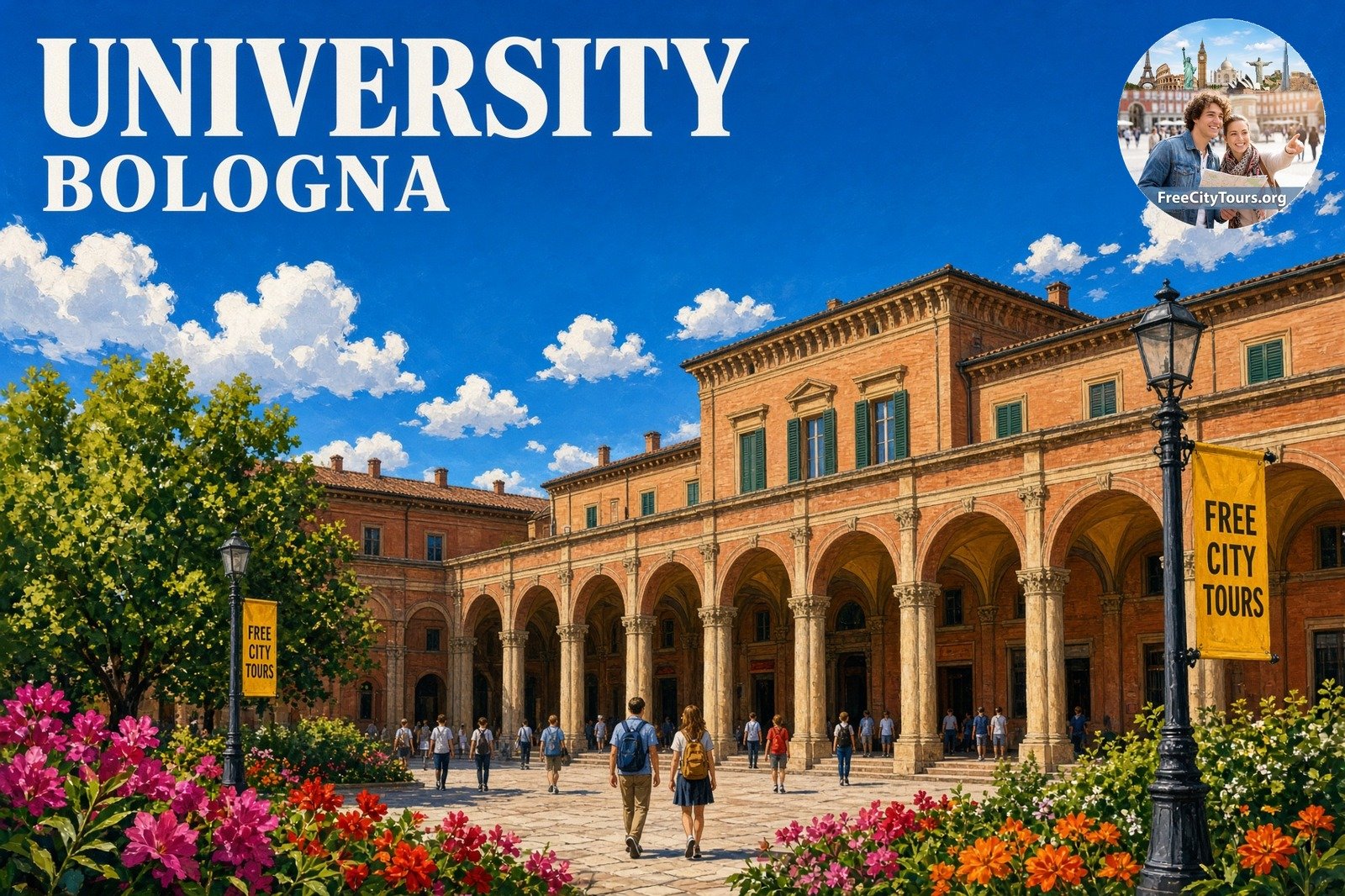
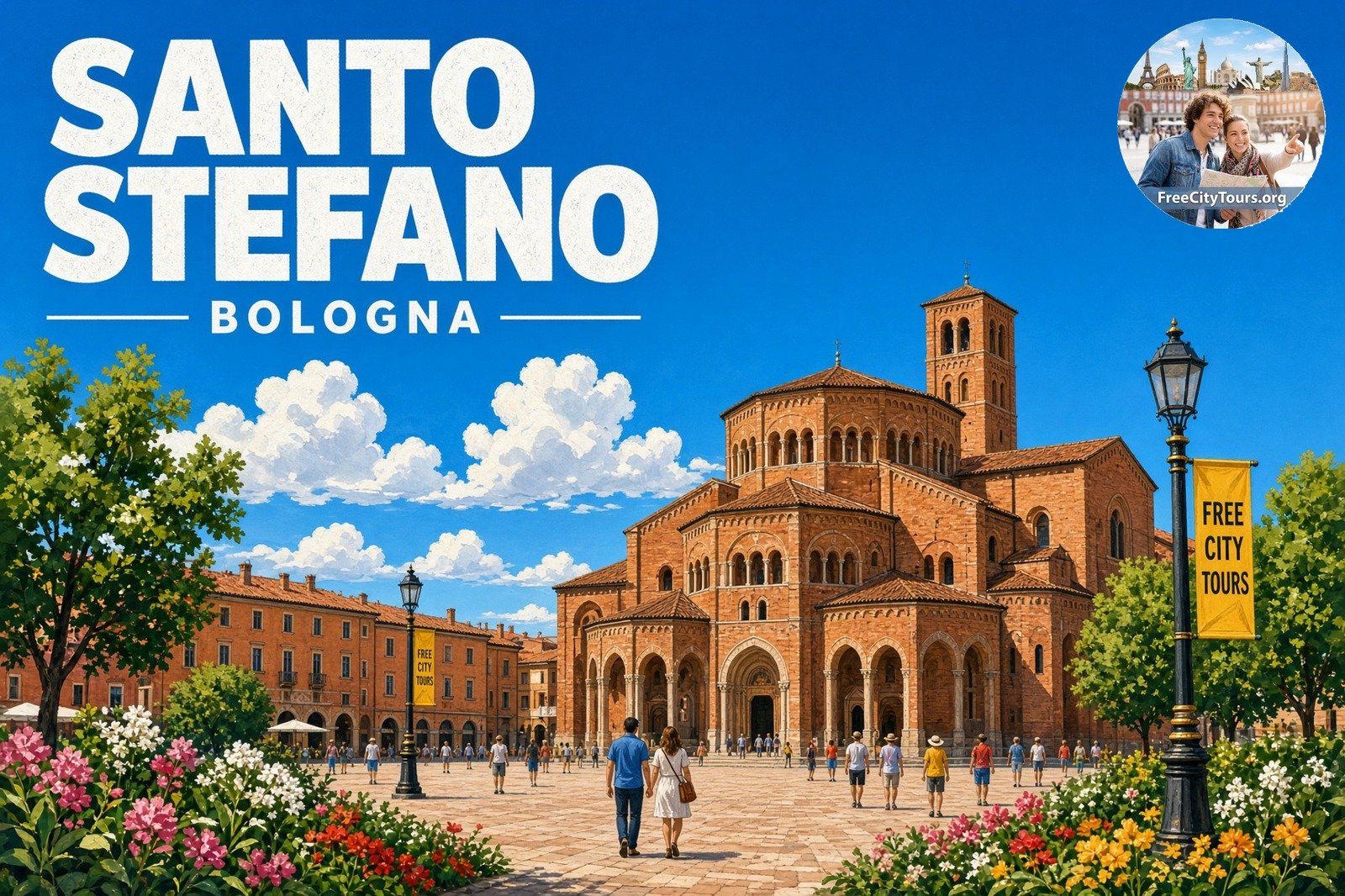
Route 3, the university and the seven churches (stops 7 and 8). Follow Via Zamboni into the university quarter, the heart of a university that dates its founding to 1088, for the porticoes, Palazzo Poggi and the student life of Piazza Verdi. Walk south to Piazza Santo Stefano for the group of old churches known as the Seven Churches, with the brick courtyard of Pilato in the middle. This is one of the calmest corners of any Bologna walking tour.
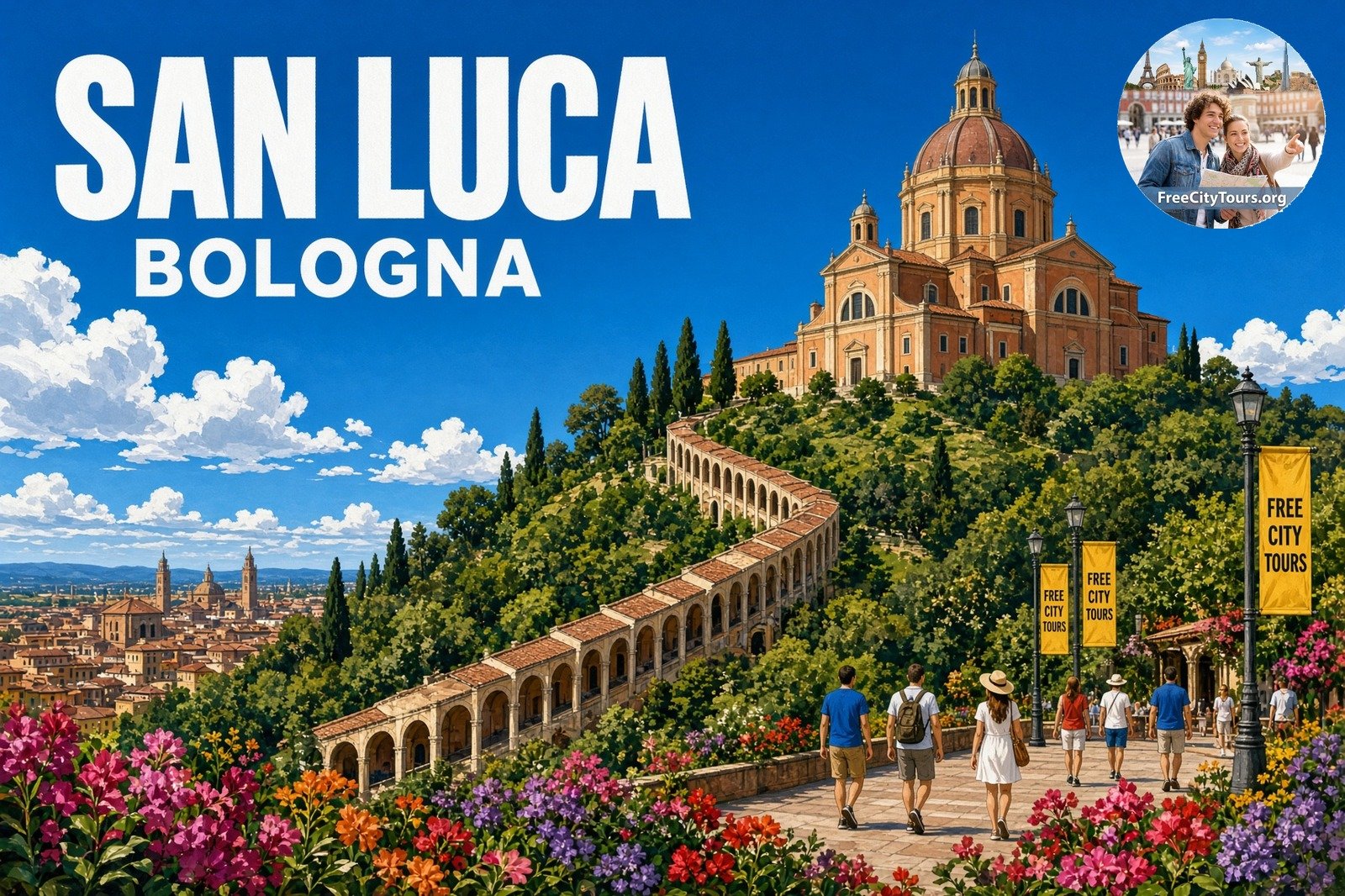
Route 4, the hill and the food park (stops 9 and 10). Walk from Porta Saragozza under the portico of 666 arches, about 3.8 kilometres, up to the sanctuary of the Madonna di San Luca on the hill, or take the bus up and walk down. Finish with a bus or taxi to FICO, the food park on the north east edge of the city. If you only have one day, Routes 1 and 2 make the best free walking tour Bologna offers on foot.
Between the stops, Bologna rewards a wander. The city has around 40 kilometres of porticoes in the centre, now a UNESCO World Heritage Site, so you can walk in the shade or out of the rain almost everywhere. Look for the little window on Via Piella that opens onto a hidden canal, and the whispering gallery under the Palazzo del Podestà, where you can talk to a friend across the corners.
Bologna has three old nicknames that sum up the city. La dotta, the learned one, refers to its ancient university; la grassa, the fat one, to its rich food; and la rossa, the red one, to its terracotta roofs and brick palaces. You will see all three on the walk, often within a single street of the centre.
For photos, the best viewpoints on this Bologna walking tour are Piazza Maggiore from the steps of San Petronio, the Two Towers from Strada Maggiore, the porticoes of San Luca at sunrise, the courtyard of the Archiginnasio and the terrace of San Petronio when it is open. Most are free.
A two-day Bologna walking tour works well as Routes 1 and 2 on day one and Routes 3 and 4 on day two, with an evening in the Quadrilatero. If it rains, the porticoes keep you dry, and the museums, the Archiginnasio and Mercato di Mezzo make good shelter.
Best times and transport for a Bologna walking tour
Spring and autumn are the best seasons for a Bologna walking tour, with mild weather and a busy calendar of food and music events. Summer is hot and humid, and some shops close in August, while winter is cool and foggy, but the porticoes make the city pleasant in any season. Trade fairs fill the hotels at certain times of year, so check the dates before you book.
The Two Towers area has had safety works since late 2023, when the Garisenda was closed off, and the climb up the Asinelli has been suspended, so check the official website before you plan a visit. Go early to the Archiginnasio and the museums, and plan the Quadrilatero for late morning or aperitivo time. Check opening times before you plan each day of your Bologna walking tour.
Bologna’s centre is compact and flat, so walking is the best way to get around, and much of it is closed to private traffic. TPER buses cover the outer stops, including the climb to San Luca and the trip to FICO; buy tickets at kiosks, machines or by app, or tap a contactless card on board where readers accept it. From the airport, the Marconi Express monorail runs to the central station in a few minutes.
The station is one of the main rail hubs of Italy, so high-speed trains to Florence, Milan and Venice are fast and frequent. Modena, Parma, Ferrara and Ravenna, with its famous mosaics, are easy day trips by regional train. Every stop on this Bologna walking tour has its own map link, so you can start wherever your hotel is.
Etiquette, food and safety on your Bologna walking tour
Bologna is a relaxed, friendly university city, and a simple “buongiorno” and “grazie” go a long way. Cover your shoulders and knees to enter churches, and keep your voice down at Santo Stefano and San Luca. In bars, coffee standing at the counter is cheaper than at a table, and locals rarely drink a cappuccino after lunch.
Food is a highlight of any Bologna walking tour, because the city is nicknamed la grassa, the fat one. Try tagliatelle al ragù, the local original of the sauce known abroad as bolognese, tortellini in brodo, lasagne verdi, mortadella and Parmigiano Reggiano from the nearby plains, and a glass of Lambrusco or Pignoletto. Restaurants usually add a small cover charge, the coperto, so tipping is not expected, though rounding up is welcome.
Bologna is generally safe, but keep an eye on your belongings around the station, on crowded buses and in the busiest squares, and be aware of your surroundings late at night in the university quarter. Watch for bicycles under the porticoes. The portico climb to San Luca is steep in its upper part, so wear comfortable shoes and carry water in summer. In an emergency, dial 112.
Tickets, free sights and accessibility on a Bologna walking tour
Several stops on this Bologna walking tour need tickets. The Anatomical Theatre at the Archiginnasio, the Civic Archaeological Museum, the Asinelli climb when it reopens and the terrace of San Petronio charge, and some exhibitions at Palazzo Poggi charge too. FICO is free to enter, but you pay for food and activities. Check each official website for current prices and opening times before you go.
Plenty is free. Piazza Maggiore, the Fountain of Neptune, the Archiginnasio courtyard, the Quadrilatero, Mercato di Mezzo, the university streets, the Seven Churches of Santo Stefano, the portico walk and the sanctuary of San Luca cost nothing to visit. The porticoes themselves, all 40 kilometres of them, are free and open day and night.
For accessibility, central Bologna is flat, and the porticoes provide sheltered walkways, though some have steps or uneven paving. The main squares and Mercato di Mezzo are easy for wheelchairs, and the city buses are mostly low-floor. The portico climb to San Luca has many steps, so take the bus up instead. Some churches and museums have steps at the entrance. Check each venue’s accessibility information before your Bologna walking tour.
After this Bologna walking tour, carry on with more free walks: the Florence walking tour just over the hills, the Venice walking tour, the Milan walking tour and the Verona walking tour. You can browse every city on the Free City Tours home page.
Bologna walking tour FAQ
Is this Bologna walking tour really free?
Yes. All 50 video stops on this Bologna walking tour are free to watch, and Piazza Maggiore, the Quadrilatero, Santo Stefano, the porticoes and San Luca are free to visit. The Anatomical Theatre and the museums charge, so this is a free walking tour Bologna visitors can shape to any budget.
How long does the Bologna walking tour take?
Allow two days. Piazza Maggiore, the Archiginnasio, the museum, the Quadrilatero and the Two Towers fill one day, and the university, Santo Stefano, San Luca and FICO fill another.
Where does the Bologna walking tour start?
It starts on Piazza Maggiore, the main square, about 20 minutes on foot or a short bus ride from the central station. You can join at any stop, because each one has its own map link and five short videos.
Is the Bologna walking tour suitable for children and wheelchair users?
Yes. Children enjoy the whispering gallery, the Egyptian rooms and the markets. Wheelchair users will find the centre flat and sheltered, but should take the bus to San Luca rather than the stepped portico.
Do I need an app or mobile data for the Bologna walking tour?
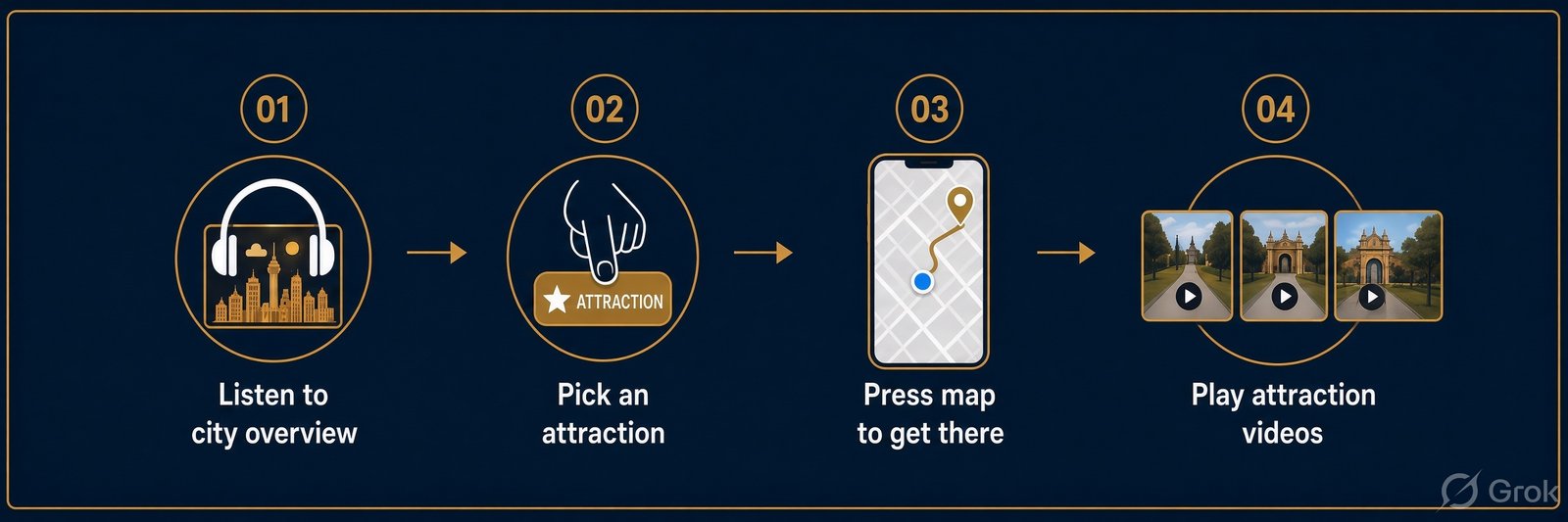
You don’t need an app. Open this page in your phone’s browser and play the videos as you walk. The videos stream, so use mobile data or free Wi-Fi in cafés and museums.