How to tour Seoul

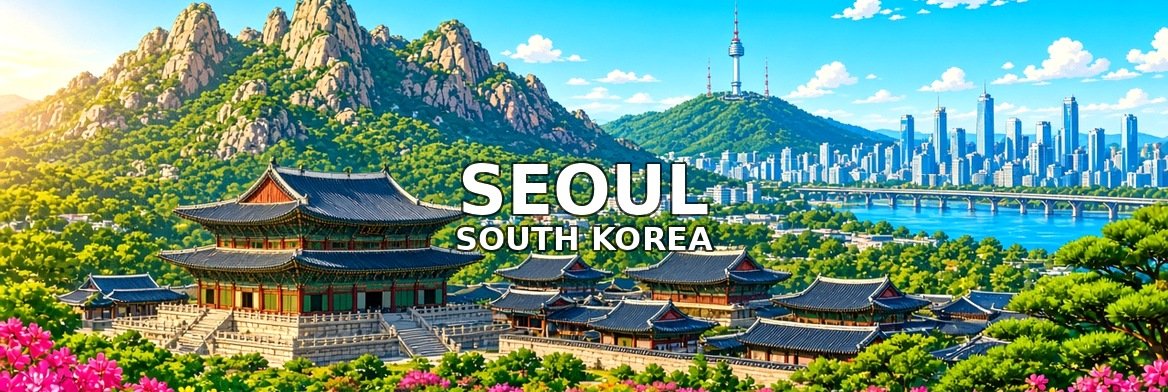
Seoul, the capital of South Korea, has been a royal city for more than six hundred years. Palaces and hanok lanes sit beneath granite mountains, next to glass towers, busy markets and the Han River.
This tour starts at Gwanghwamun Gate and Gyeongbokgung Palace, wanders the lanes of Bukchon Hanok Village and Insadong, visits Jogyesa Temple, follows the Cheonggyecheon Stream to Gwangjang Market and Dongdaemun Design Plaza, then rides the Namsan Cable Car up to N Seoul Tower. Each stop has five short films to guide you through it.
1. Gwanghwamun Gate
Gwanghwamun Square · start here
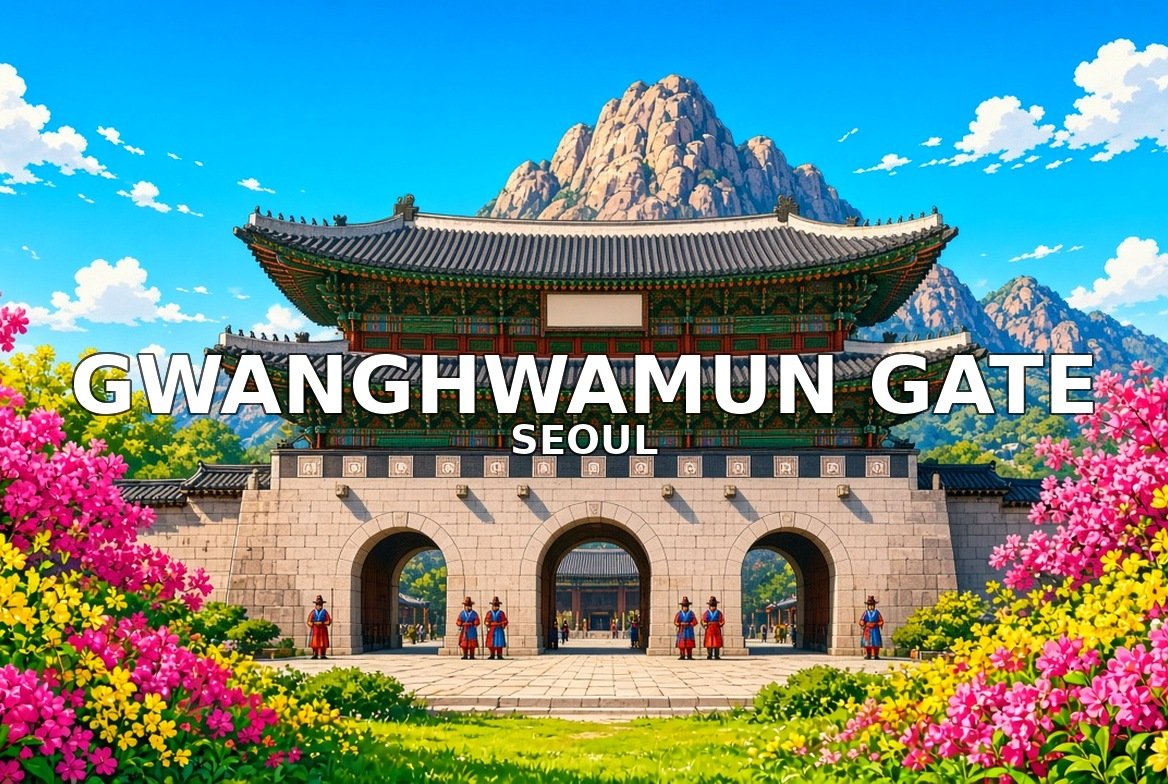
Gwanghwamun is the main gate of Gyeongbokgung Palace, first built in 1395 and restored in 2010. In front, Gwanghwamun Square has statues of King Sejong and Admiral Yi Sun-sin.
Walk this order. The Great Gate of the Palace → Changing of the Royal Guard → Gwanghwamun Square → King Sejong and the Korean Alphabet → Admiral Yi Sun sin and the Turtle Ship.


2. Gyeongbokgung Palace
Joseon royal palace · guard ceremony
Gyeongbokgung, built in 1395, was the main royal palace of the Joseon dynasty. Its throne hall, Gyeonghoeru pavilion on its pond and the changing of the royal guard draw visitors every day.
Walk this order. Heungnyemun and the Royal Bridge → Geunjeongjeon Throne Hall → Gyeonghoeru Pavilion → Hyangwonjeong and the Royal Quarters → The National Folk Museum of Korea.
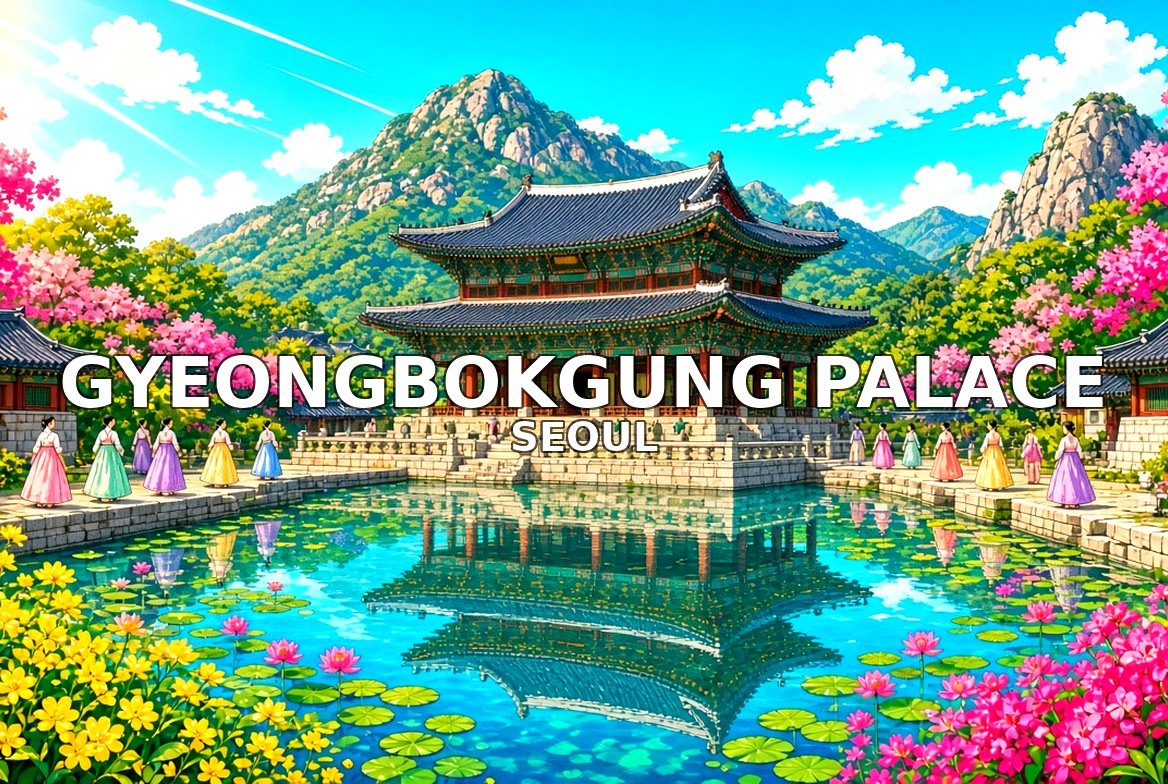


3. Bukchon Hanok Village
Hanok lanes · traditional houses
Bukchon Hanok Village, between Gyeongbokgung and Changdeokgung, keeps hundreds of traditional hanok houses with tiled roofs along steep, quiet lanes where people still live.
Walk this order. Into the Lanes of Bukchon → How a Hanok Is Built → The Rooftop Views of Gahoe dong → Samcheong dong Road → Unhyeongung Palace.
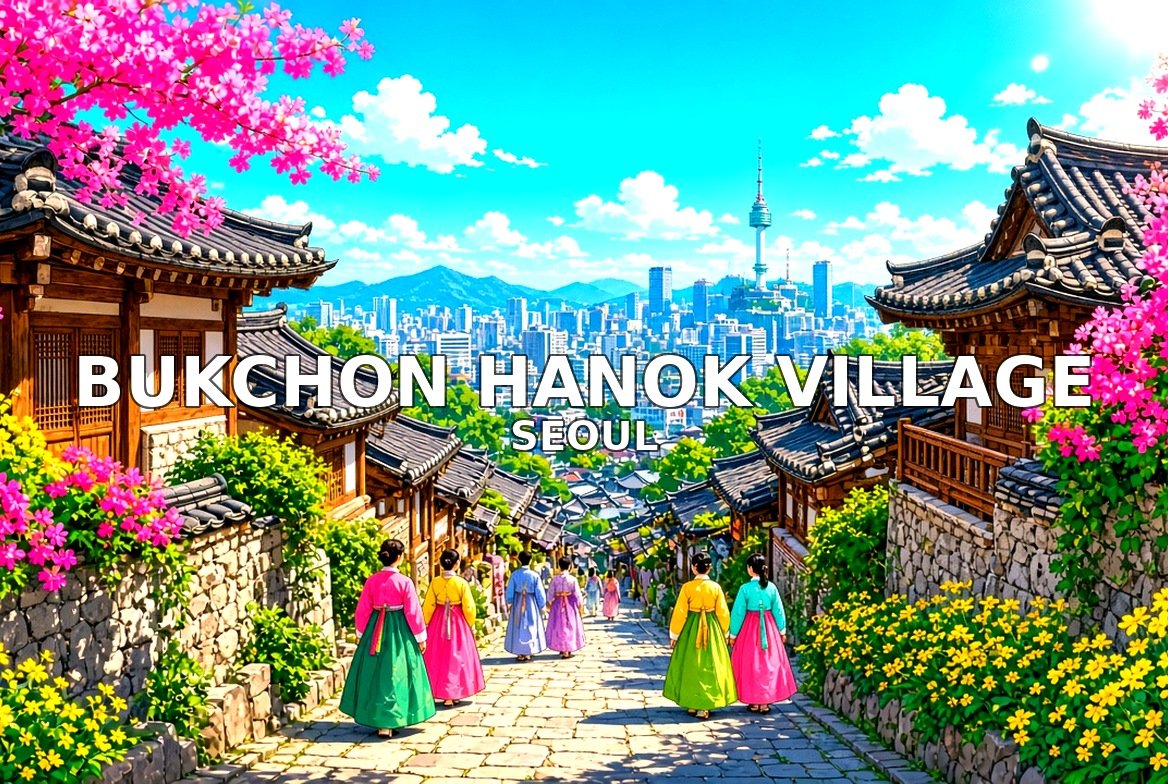


4. Insadong
Street of arts · tea and crafts
Insadong is Seoul’s street of traditional arts, with galleries, tea houses, calligraphy brushes, pottery and the spiral Ssamziegil shopping courtyard.
Walk this order. Insadong gil, the Street of Arts → Ssamziegil → Galleries, Paper and Brushes → Traditional Teahouses → Tapgol Park.
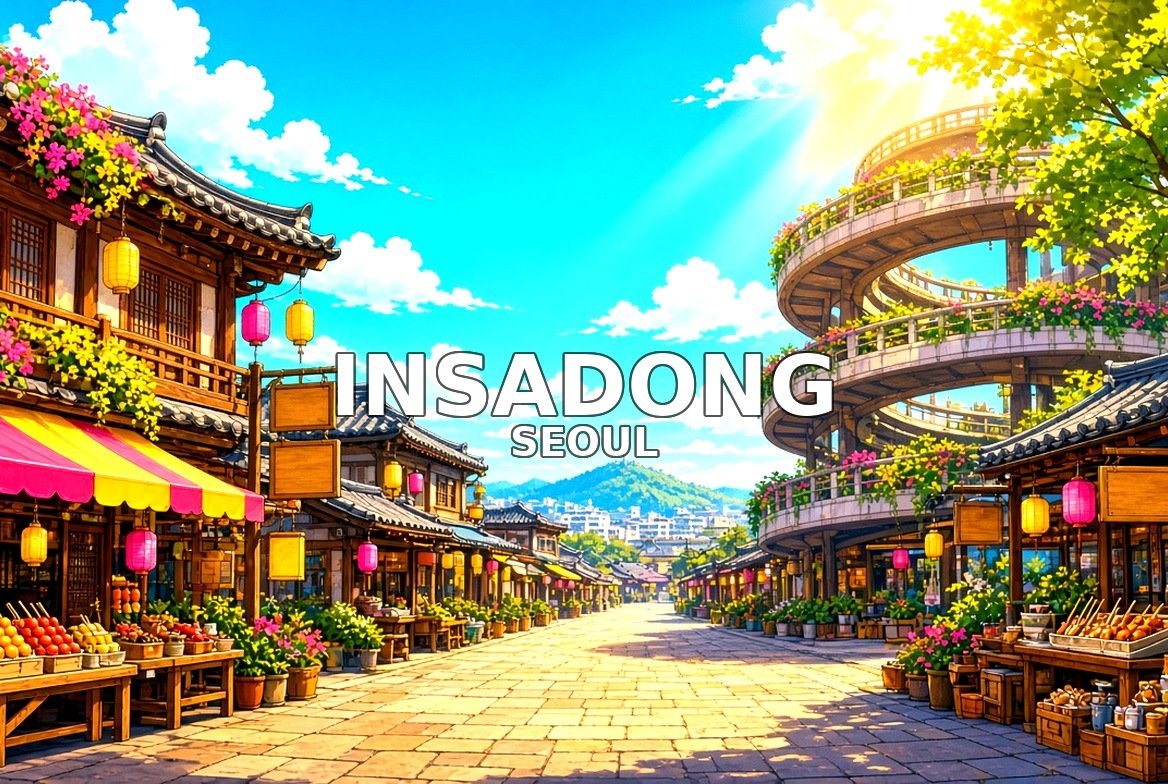


5. Jogyesa Temple
Korean Buddhism · lantern courtyard
Jogyesa is the chief temple of the Jogye Order of Korean Buddhism. Its main hall stands under old trees, and the courtyard fills with colourful lanterns around Buddha’s Birthday.
Walk this order. The Heart of Korean Buddhism → Inside the Main Hall → The Ancient Trees → The Pagoda and the Bell Pavilion → Lanterns and the Lotus Festival.
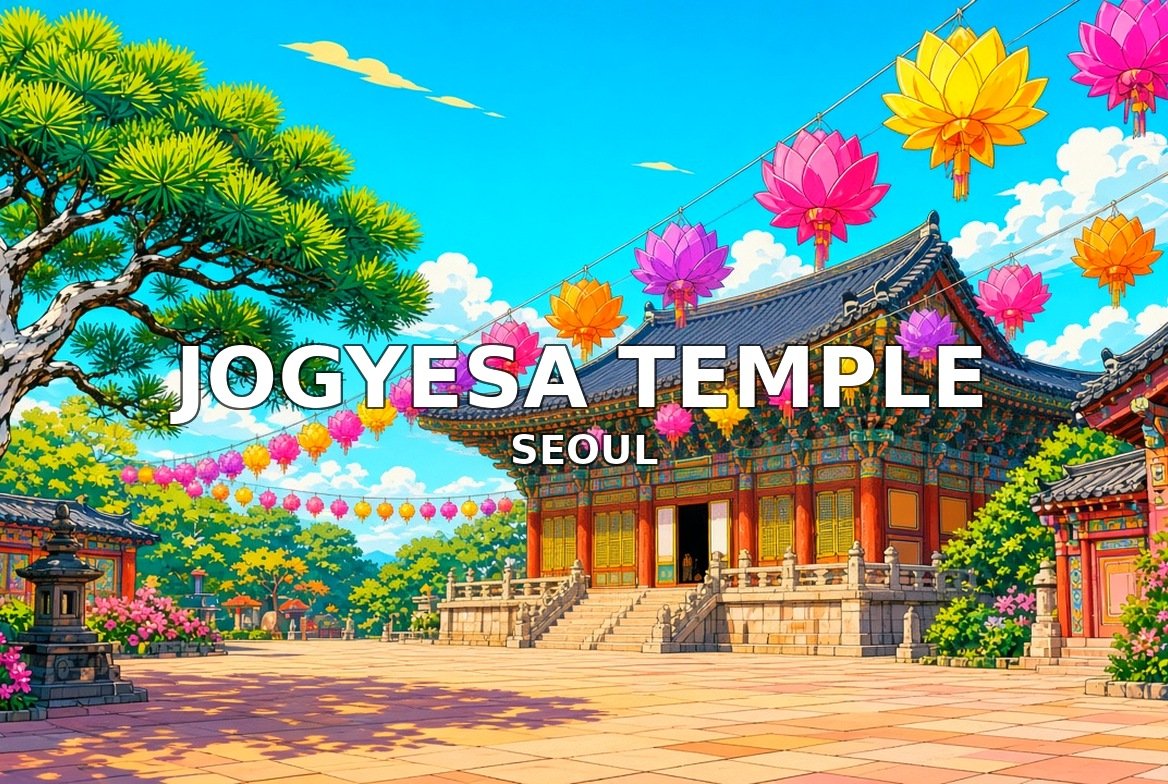


6. Cheonggyecheon Stream
Downtown stream · a restored waterway
Cheonggyecheon is a stream restored in 2005 after decades under a road and an elevated highway. Its 11 kilometre walkway runs below street level through downtown.
Walk this order. Cheonggye Plaza and the Spring Sculpture → From Highway Back to Stream → Bridges and Stepping Stones → Along the Banks → Lights on the Water.



7. Gwangjang Market
Jongno · street food since 1905
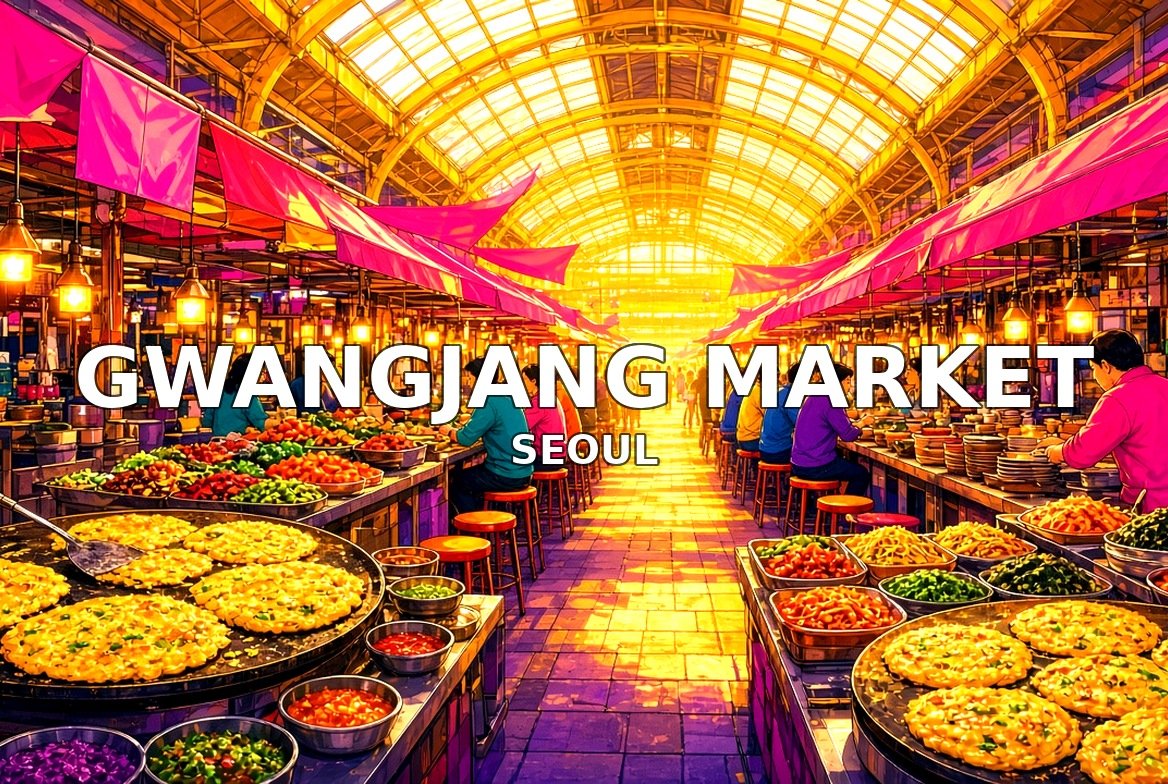
Gwangjang Market, opened in 1905, is one of Korea’s oldest markets, famous for its food alley of mung bean pancakes, mayak gimbap and fresh noodles.
Walk this order. Inside a Historic Market → Bindaetteok, the Mung Bean Pancake → Mayak Gimbap and Street Snacks → Noodles, Raw Beef and Market Dining → Banchan, Kimchi and Market Life.


8. Dongdaemun Design Plaza
Dongdaemun · Zaha Hadid’s landmark
Dongdaemun Design Plaza, designed by Zaha Hadid and opened in 2014, is a flowing silver landmark of exhibitions and design, beside remains of the old city wall.
Walk this order. Zaha Hadid’s Curving Landmark → Seoul Fashion Week and Design Events → Dongdaemun History and Culture Park → Heunginjimun, the Great East Gate → The Night Markets of Dongdaemun.



9. Namsan Cable Car
Myeong-dong · up Namsan
The Namsan Cable Car has climbed from near Myeong-dong to the top of Namsan mountain since 1962, giving wide views over central Seoul.
Walk this order. From Myeong dong to the Mountain → Riding the Namsan Cable Car → Namsan Park → The City Wall and the Summit Views → The Beacon Mounds of Namsan.



10. N Seoul Tower
Namsan summit · the city view
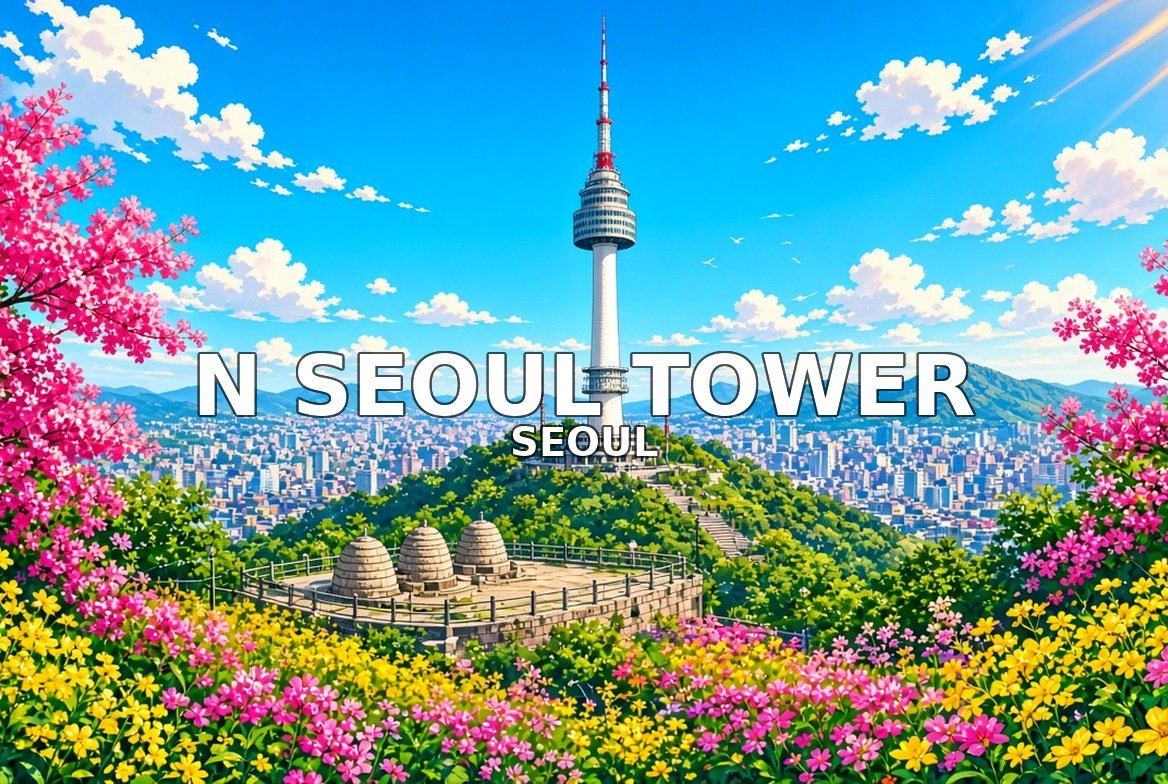
N Seoul Tower stands on Namsan’s summit, 236 metres high, with an observatory over the whole city and the famous love-lock fences around its terrace.
Walk this order. The Tower on the Mountain → The Observatory → The Love Locks → The Tower at Night → Farewell to Seoul.