Melbourne Walking Tour: 50 Free Video Stops

How to tour Melbourne

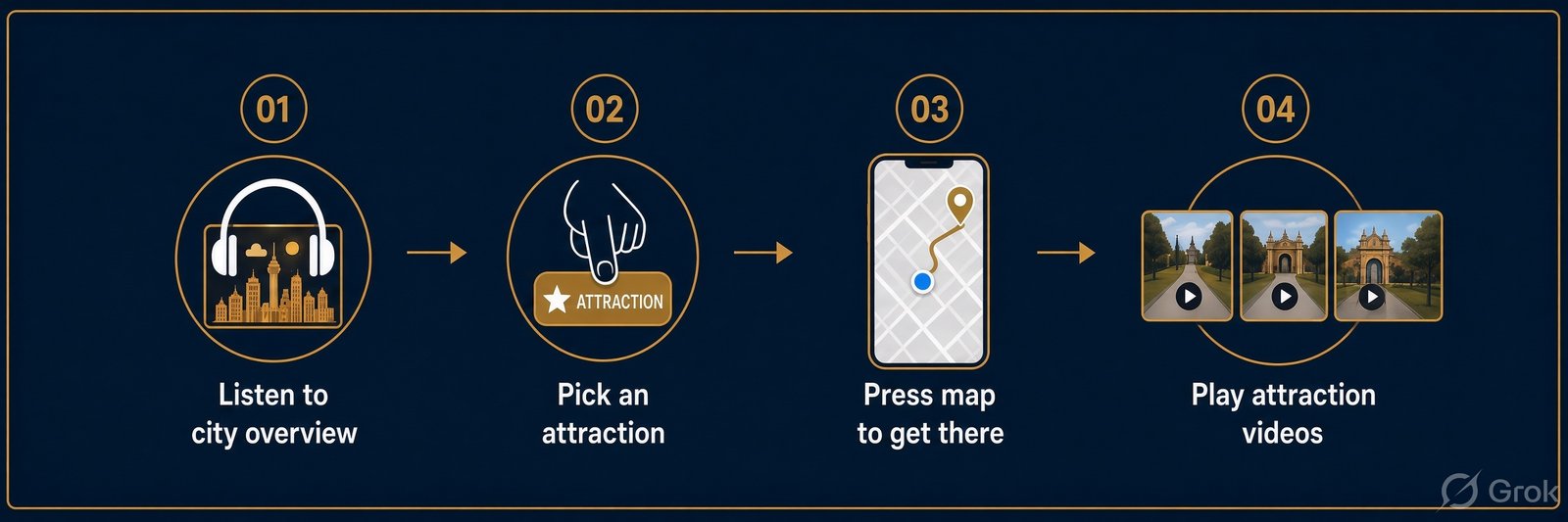
Open this free self-guided walking tour of Melbourne on your phone as you walk. There’s no app to download, no sign-up and no guide to tip. Tap a stop for a short narrated video of the sight in front of you, then use the map link to reach the next one. It starts at Federation Square and finishes at St Kilda.
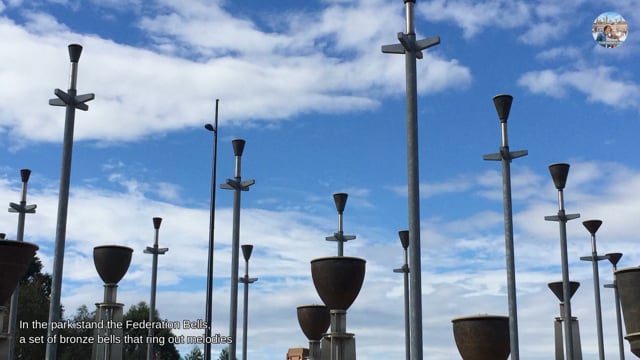
Melbourne is the capital of Victoria and Australia’s second-largest city, set around Port Phillip Bay at the mouth of the Yarra River. The Wurundjeri and Bunurong peoples of the Kulin Nation have lived here for tens of thousands of years. Founded in 1835, the town boomed during the Victorian gold rush of the 1850s and grew into one of the richest cities in the world. Today Melbourne is known for its laneways, street art, coffee, trams and grand Victorian buildings. The city centre is laid out on the Hoddle Grid beside the Yarra, with Federation Square and Flinders Street Station at its heart, gardens to the east and south, and the beach suburb of St Kilda on the bay. On this tour you start at Federation Square and Flinders Street Station, explore the street art of Hosier Lane, visit the Queen Victoria Market and the State Library Victoria, stroll through Carlton Gardens and the Royal Botanic Gardens, pay your respects at the Shrine of Remembrance, look down from Eureka Skydeck in Southbank and finish by the sea at St Kilda. The free tram zone covers the city centre; take a tram out to St Kilda.1. Melbourne walking tour: Federation Square
Fed Square · start here · 45–60 minutes
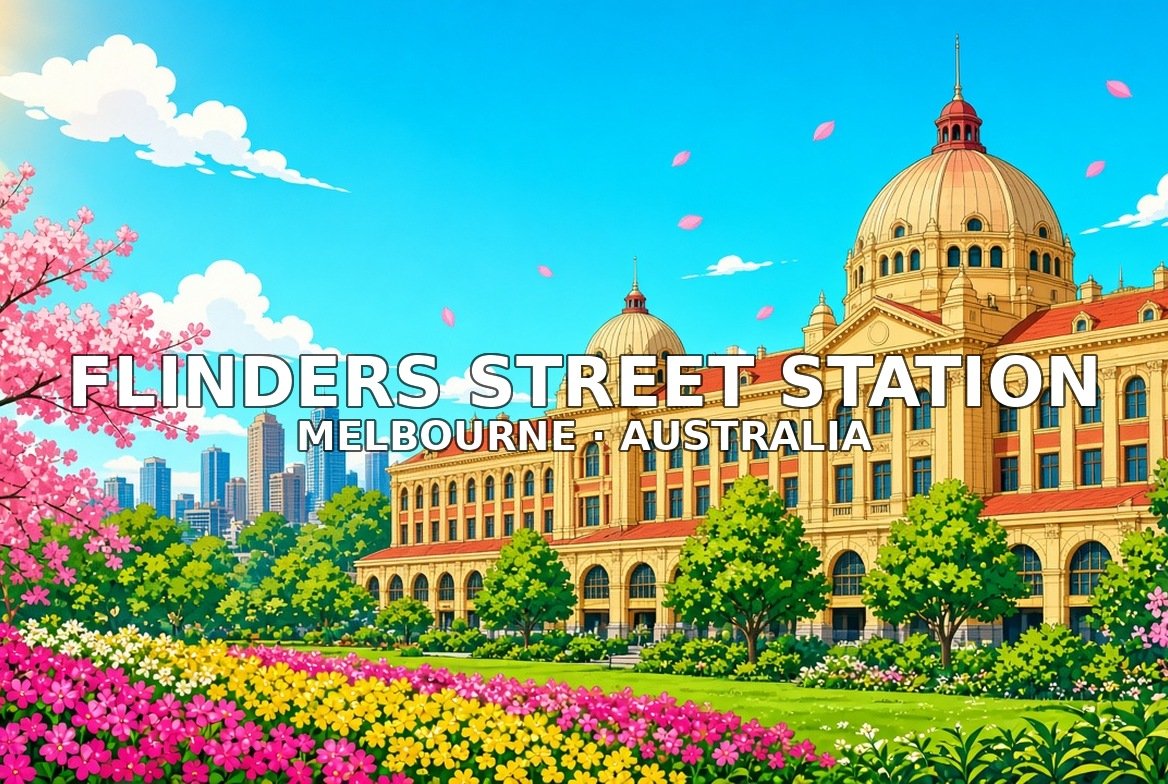
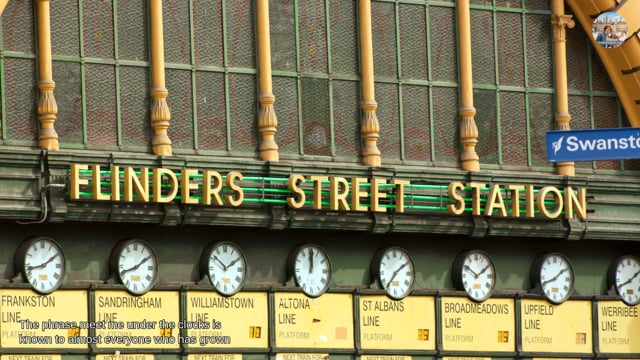
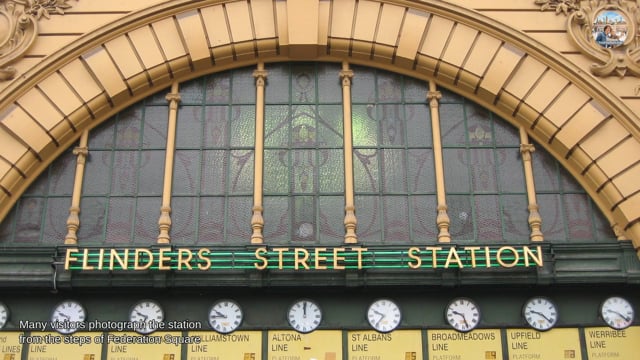
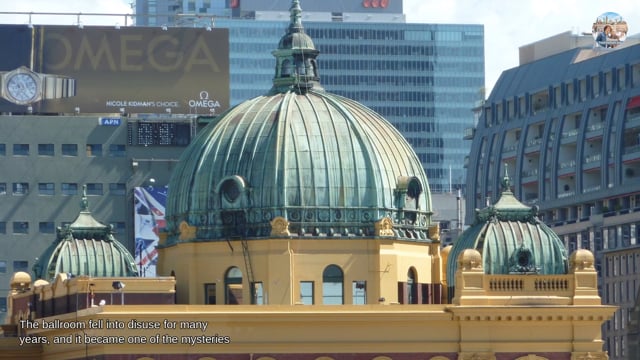
2. Flinders Street Station
From stop 1 · 2 minutes · 20–30 minutes
3. Hosier Lane
From stop 2 · 4 minutes · 20–30 minutes
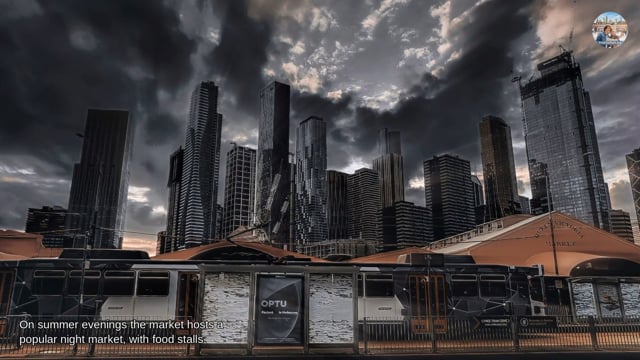
4. Queen Victoria Market
North of the grid · 15 minutes · 60–90 minutes
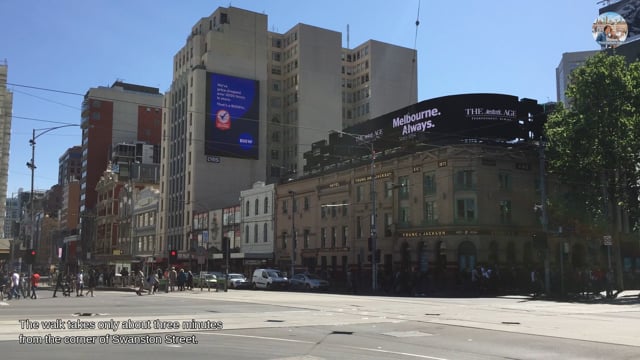
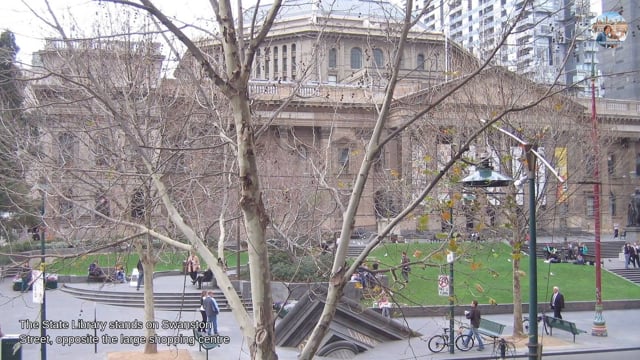
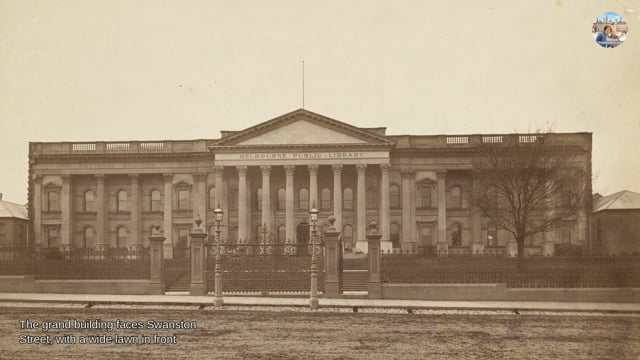
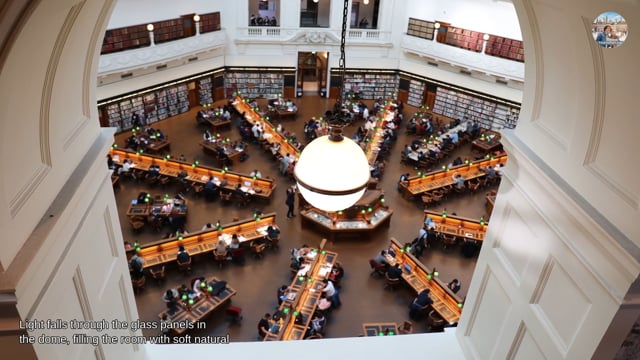
5. State Library Victoria
328 Swanston Street · 60–90 minutes
6. Carlton Gardens
From stop 5 · 10 minutes · 45–60 minutes
7. Royal Botanic Gardens
Birdwood Avenue · 60–90 minutes
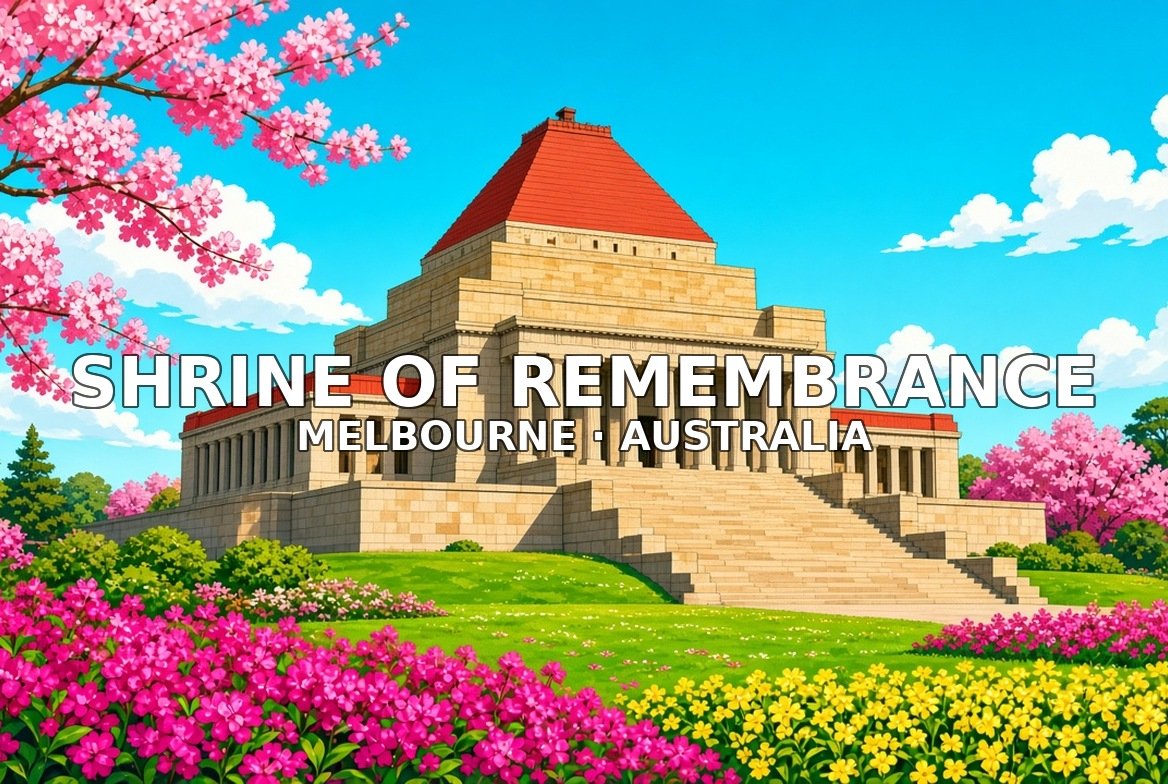
8. Shrine of Remembrance
Birdwood Avenue · 45–60 minutes
9. Southbank Eureka
From the Yarra · 45–60 minutes
10. St Kilda
Tram 16 / 96 · 60–90 minutes
Melbourne Walking Tour Overview Detail
This Melbourne walking tour links 10 sights and 50 short video stops narrated by Clarissa, from Federation Square and the clocks of Flinders Street Station to the street art of Hosier Lane, the city gardens and the seaside at St Kilda. Most stops sit inside or beside the central grid, so the notes below turn them into easy walking days, with timing, trams, etiquette and the free sights worth knowing. For official events and visitor information, also check What’s On Melbourne, the City of Melbourne’s official visitor guide.
Best routes for your Melbourne walking tour using the 50 stops
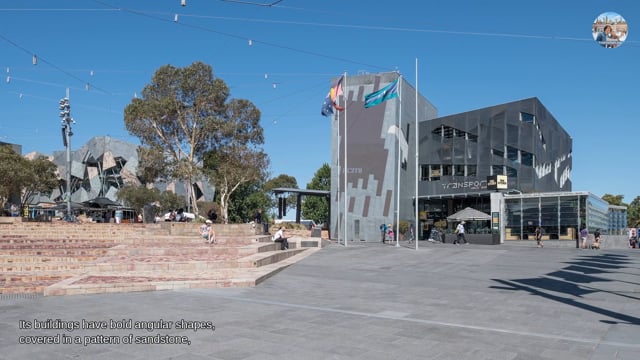
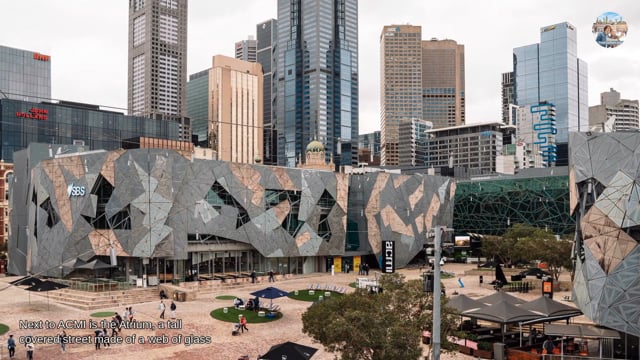
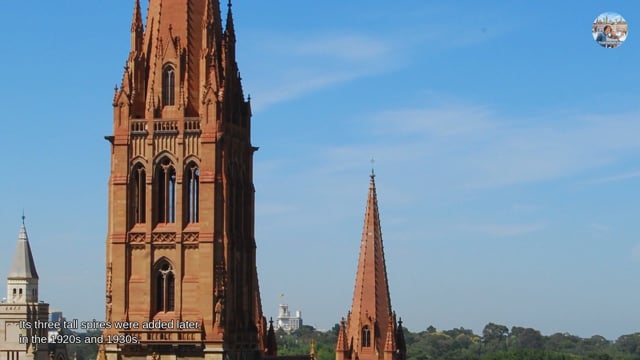
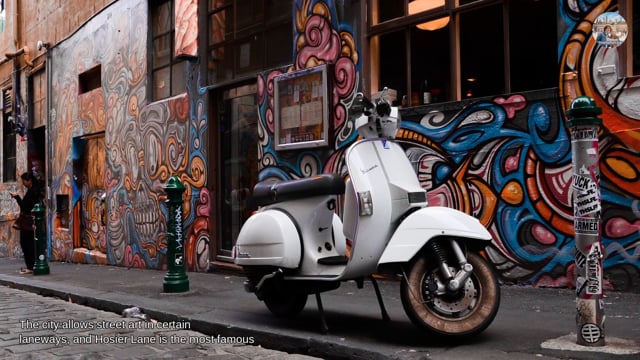
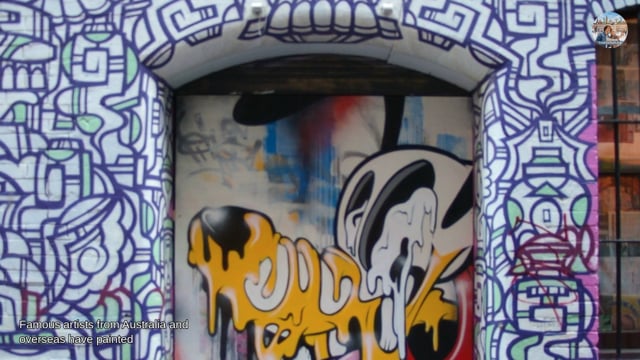
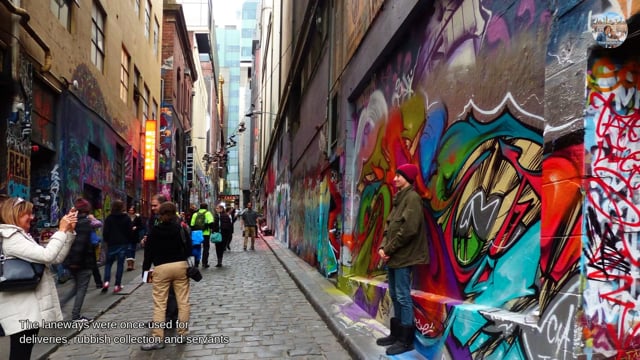
Route 1, the river corner and the laneways (stops 1 to 3). Start at Federation Square on the Yarra and play the videos on the plaza, ACMI, the Ian Potter Centre and Birrarung Marr. Cross the road to Flinders Street Station, the yellow-and-green landmark where Melburnians meet under the clocks, with St Paul’s Cathedral on the opposite corner. Then walk one block to Hosier Lane, the city’s best-known street-art laneway, and follow the paint through Rutledge Lane to the cafes of Degraves Street.
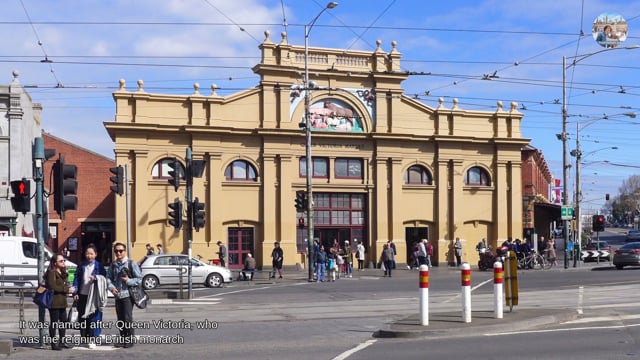
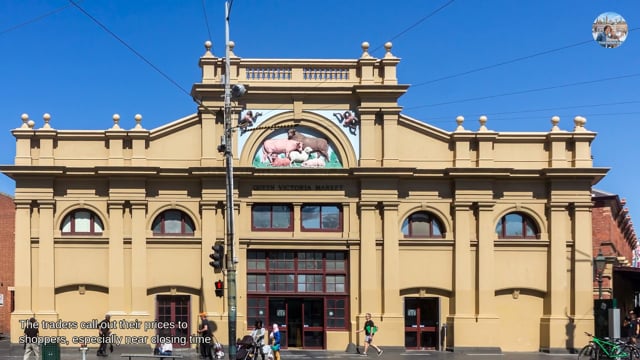
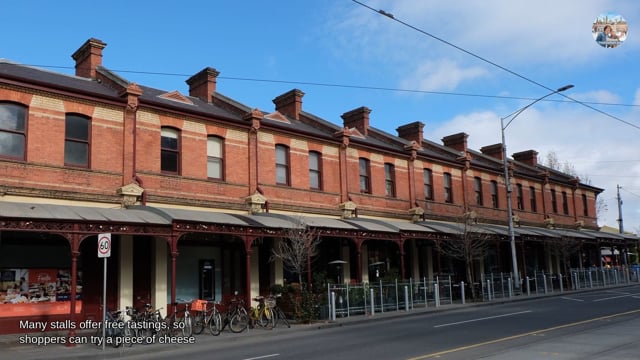
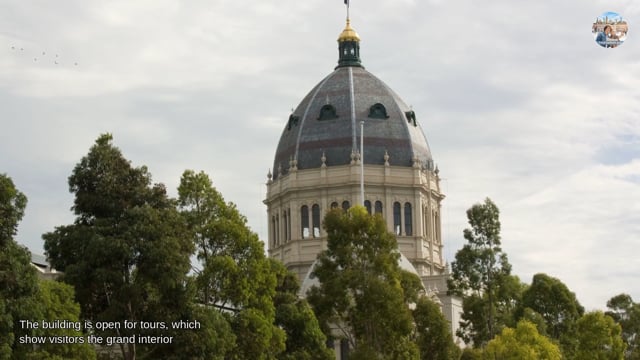
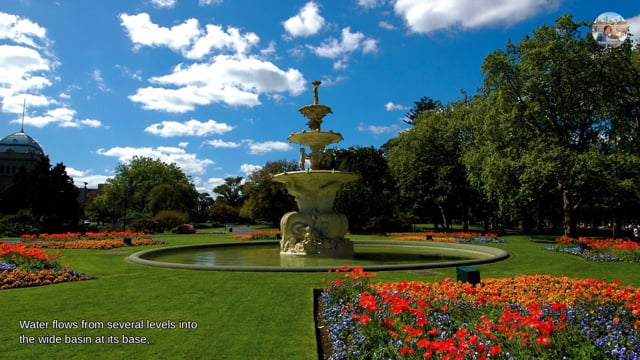
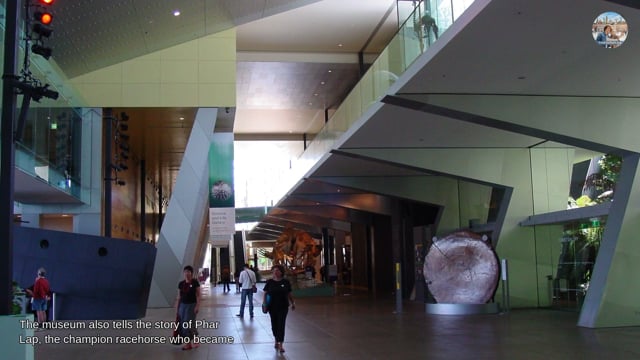
Route 2, the northern grid (stops 4 to 6). Walk or take a tram up to the Queen Victoria Market, trading since 1878, with its meat and fish hall, deli hall and open-air sheds. Head east to State Library Victoria on Swanston Street, where the domed La Trobe Reading Room is the essential interior. Finish in Carlton Gardens around the Royal Exhibition Building, a UNESCO World Heritage Site, with the Hochgurtel Fountain and Melbourne Museum beside it. This is the busiest part of the Melbourne walking tour for food and culture.
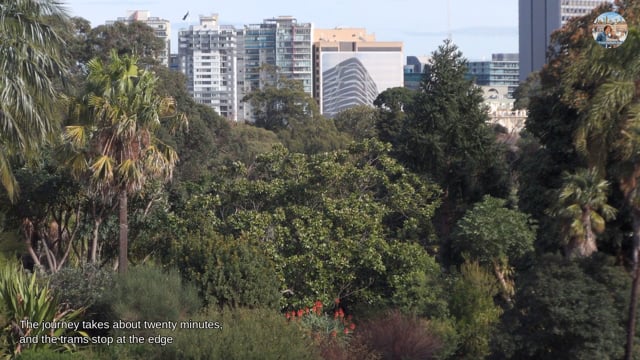
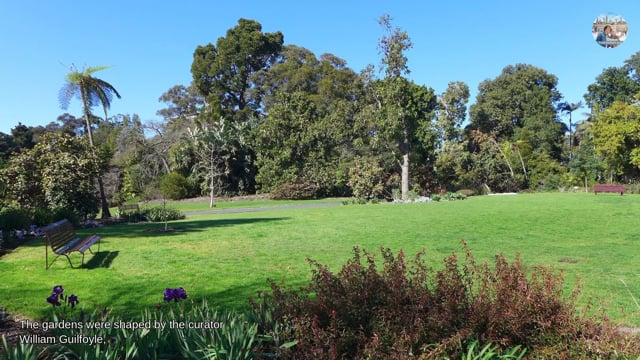
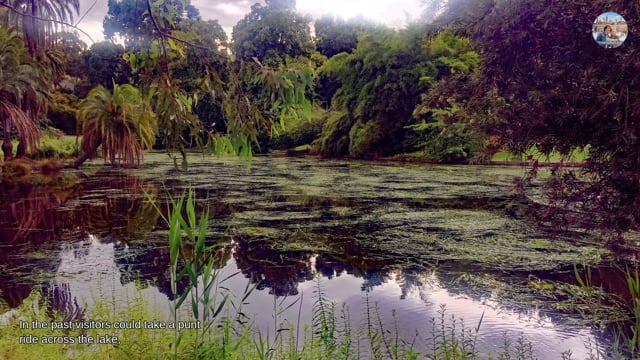
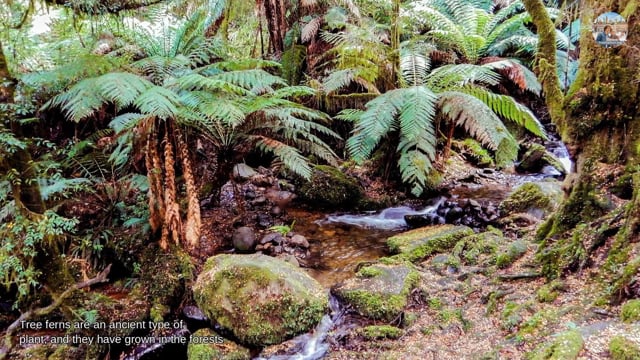
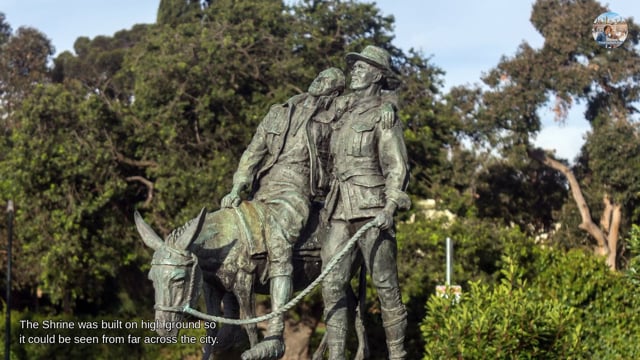
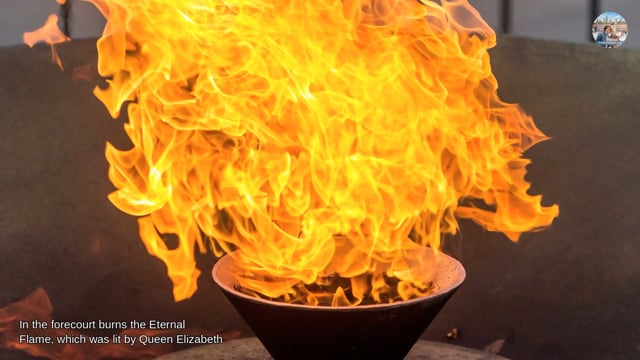
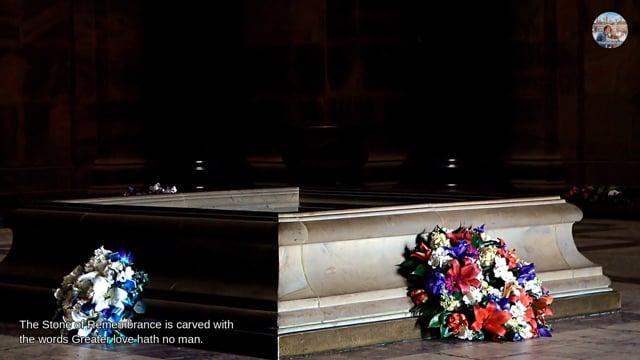
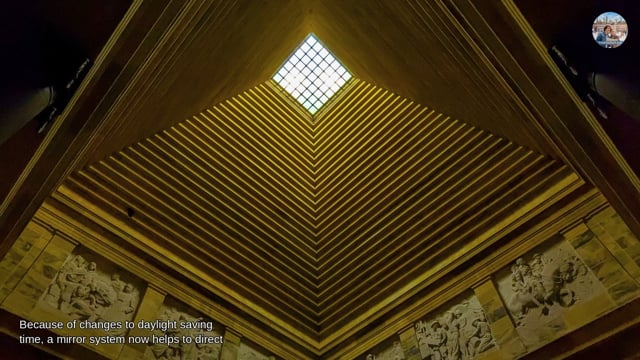
Route 3, gardens and remembrance (stops 7 and 8). Cross the river and enter the Royal Botanic Gardens on Birdwood Avenue for the Ornamental Lake, Fern Gully and Guilfoyle’s Volcano. Next door, the Shrine of Remembrance stands on the Domain axis, with its sanctuary, eternal flame and balcony view straight up St Kilda Road to the city. Allow a slow half day, because the gardens are large and best enjoyed without hurrying.
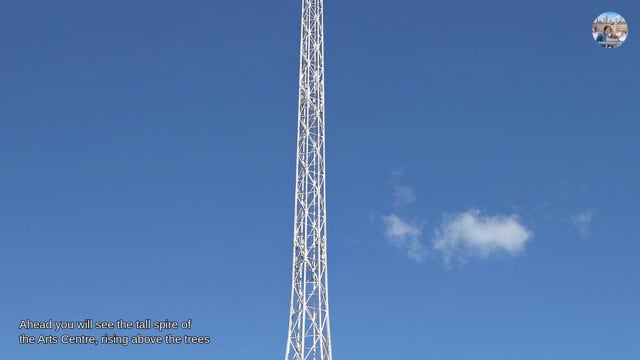
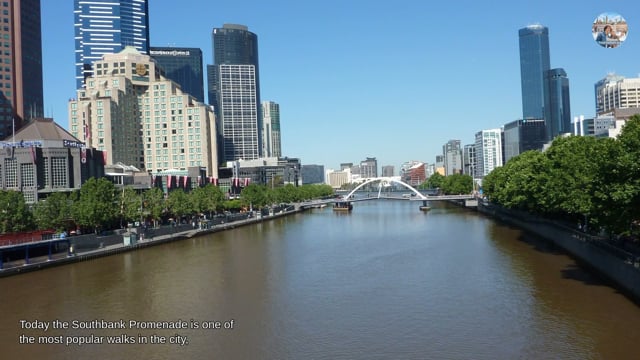
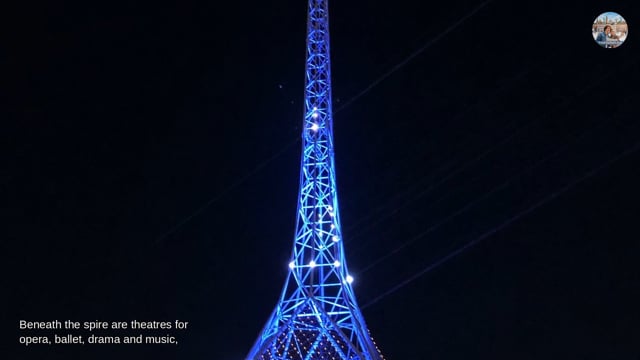
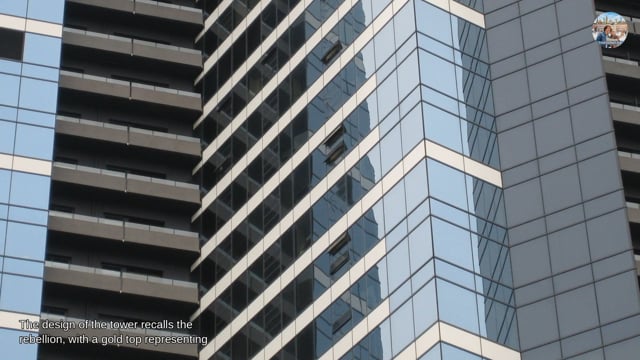
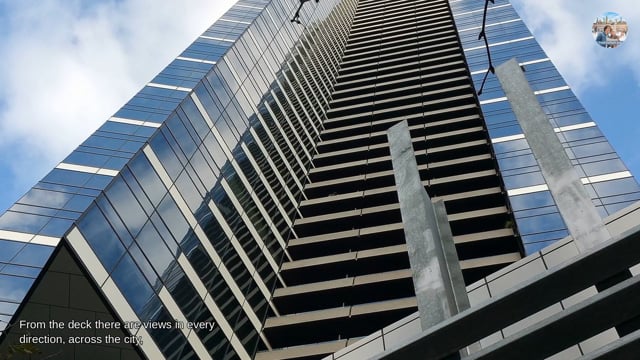
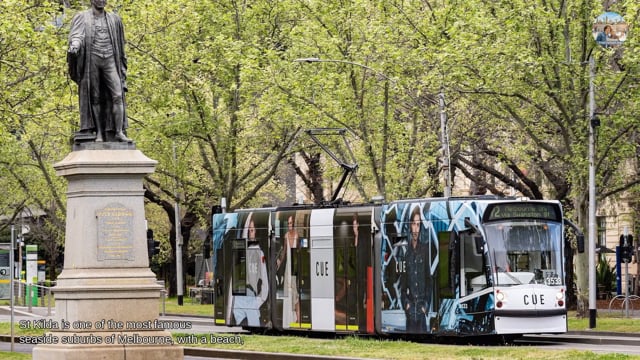
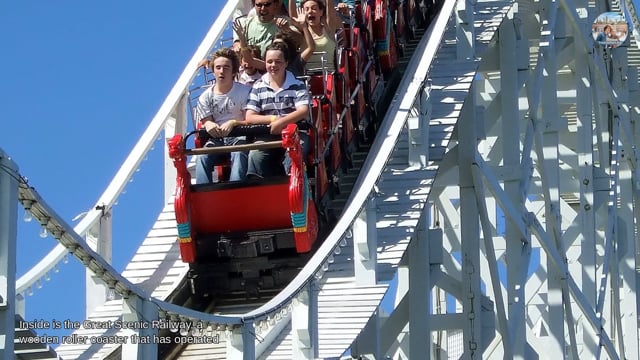
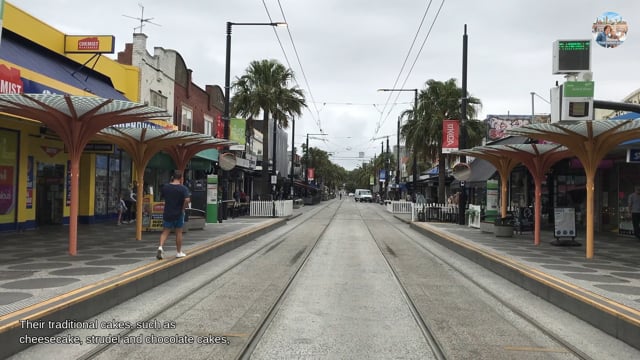
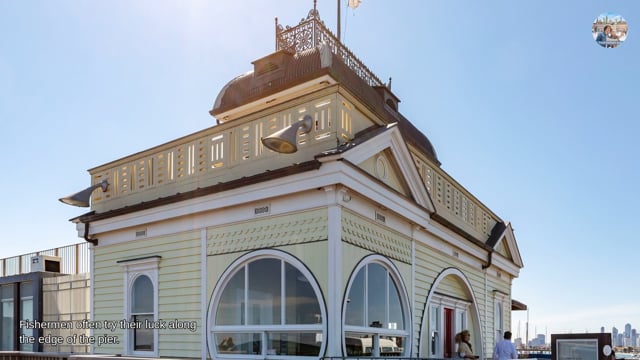
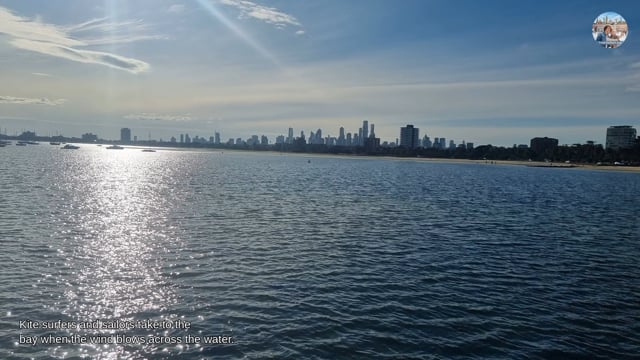
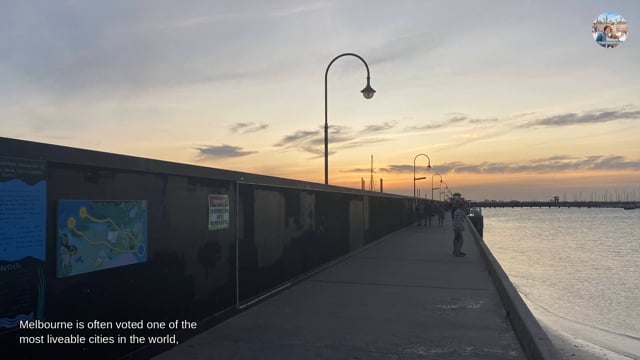
Route 4, Southbank and the bay (stops 9 and 10). Walk back to the river along the Southbank promenade beneath the Arts Centre spire and Eureka Tower, where the Skydeck gives one of the highest views in the city. Then take tram 16 or 96 to St Kilda for Luna Park, Acland Street, St Kilda Pier and the beach. Finish your Melbourne walking tour on the foreshore at sunset, with the city skyline across the bay.
The central grid was laid out by the surveyor Robert Hoddle in 1837, and the wealth of the 1850s gold rush paid for the grand buildings you pass on these routes, from the library and the exhibition building to the arcades between Collins and Bourke Streets. Long before that, the Wurundjeri and Bunurong peoples lived along the Birrarung, the river now called the Yarra, and Birrarung Marr beside Federation Square keeps that name. Look out for the Aboriginal place names and artworks along the river as you walk.
For photos, the best free viewpoints on this Melbourne walking tour are Princes Bridge looking back at Flinders Street Station, the Shrine balcony, the lawns of Carlton Gardens in front of the Royal Exhibition Building and the end of St Kilda Pier. Hosier Lane changes almost weekly, so every visit gives you new pictures.
With two days, do Routes 1 and 2 on the first day and Routes 3 and 4 on the second. With one day, keep to Federation Square, the laneways, the State Library and Southbank, the core free walking tour Melbourne visitors can do on foot.
Best times and transport for a Melbourne walking tour
Melbourne is famous for four seasons in one day, so carry a light layer and an umbrella whatever the forecast says. Spring, from September to November, and autumn, from March to May, are the most comfortable seasons for a Melbourne walking tour. Summer can bring very hot days followed by sudden cool changes, and winter is cool and grey but good for museums, libraries and laneway cafes.
Queen Victoria Market does not trade every day, and it is closed on several weekdays and some public holidays, so check the current trading days before you plan Route 2. Gallery, museum and Skydeck hours also vary, and the Shrine and the State Library have their own opening times. Check each official site before you go, especially around Christmas, Easter and Anzac Day.
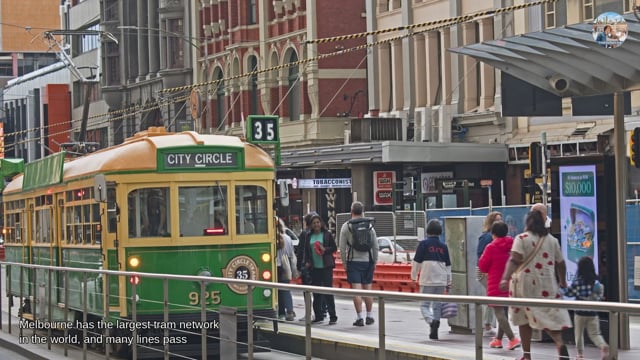
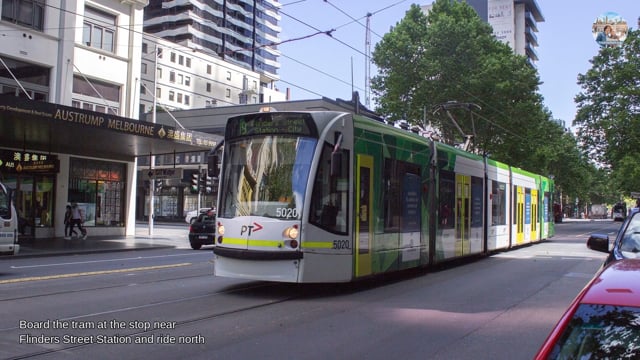
Trams are the easiest way to get around. Travel on trams within the Free Tram Zone in the city centre is free, and it covers most of the stops on Routes 1 and 2. Outside the zone, including the ride to St Kilda, you need a myki card or a supported payment option, so check the current fare rules with Public Transport Victoria. Flinders Street Station is the hub for suburban trains, and Southern Cross Station is the hub for regional and airport services.
The riverside paths along the Yarra are also a pleasant way to move between stops on foot or by bike. From Federation Square you can follow the river past Birrarung Marr toward the gardens, or walk west along Southbank to the casino precinct, without meeting traffic lights. Allow more time than the map suggests, because the gardens and the Domain are larger than they look.
From Melbourne Airport, the SkyBus runs to Southern Cross Station, a short walk from the start of this Melbourne walking tour at Federation Square. If you are staying in St Kilda or Southbank, start with Route 4 and walk the stops in reverse, because every stop has its own Map button.
Etiquette, food and safety on your Melbourne walking tour
The Shrine of Remembrance is Victoria’s main war memorial, so keep your voice low in the sanctuary and follow the staff’s instructions. At Hosier Lane, admire and photograph the art, but don’t add your own paint unless you have permission, and keep out of the roadway, where cars still pass. Stand on the left on escalators, let passengers off trams before you board, and offer seats to people who need them.
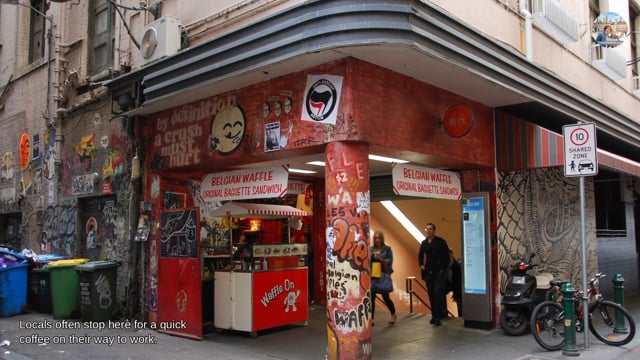
Melbourne takes its coffee seriously, so start the day with a flat white in a laneway cafe. Try the hot jam doughnuts and the international food stalls at Queen Victoria Market, dumplings in Chinatown, cakes on Acland Street in St Kilda and modern Australian food along Southbank. Tipping is not expected in Australia, though rounding up for good service is welcome. Tap water is safe to drink, and public drinking fountains are common.
Melbourne is a safe city, but watch your bag in crowded laneways and on busy trams, and keep to well-lit streets late at night. The Australian sun is strong even on cool days, so wear a hat and sun cream at the gardens and the beach. At St Kilda, swim only where it is calm, and if you see little penguins near the pier at dusk, follow the rules for viewing them without flash photography.
Free sights, museums and accessibility on a Melbourne walking tour
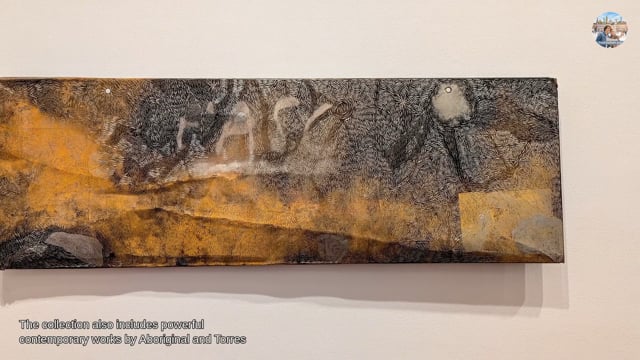
Many sights on this Melbourne walking tour are free. Federation Square, the Hosier Lane art, State Library Victoria, the Carlton Gardens, the Royal Botanic Gardens, the Shrine of Remembrance, the Southbank promenade and St Kilda beach all cost nothing to visit. The Ian Potter Centre and ACMI usually have free permanent collections, with charges only for special exhibitions. You pay for Eureka Skydeck, Melbourne Museum and rides at Luna Park.
Some galleries and attractions offer reduced prices for children, students and seniors, and many hold free events and late openings. Prices and programmes change, so check the official sites before your Melbourne walking tour and book any paid attractions directly.
Melbourne is one of the easier Australian cities for wheelchair users. The central grid is flat, kerb ramps are common, and many trams on major routes have low floors and level-access stops, although some older trams and stops still have steps. The State Library, Federation Square and the Shrine have accessible entrances, and the Botanic Gardens have sealed main paths. Hosier Lane and some side laneways are cobbled.
After this Melbourne walking tour, carry on with more free walks in Australia and New Zealand: the Sydney walking tour, the Canberra walking tour, the Adelaide walking tour and the Auckland walking tour. You can browse every city on the Free City Tours home page.
Melbourne walking tour FAQ
Is this Melbourne walking tour really free?
Yes. All 50 video stops on this Melbourne walking tour are free to watch, and Federation Square, Hosier Lane, State Library Victoria, the gardens and the Shrine are free to visit. Trams inside the Free Tram Zone are free too. It is a genuine free walking tour Melbourne visitors can follow at their own pace.
How long does the Melbourne walking tour take?
Allow two days. The river corner, laneways, market and library fill one day, and the gardens, the Shrine, Southbank and St Kilda fill the second, ideally ending at the beach at sunset.
Where does the Melbourne walking tour start?
It starts at Federation Square, opposite Flinders Street Station, with The Plaza video. You can join at any stop, because each one has its own Map button and five short videos.
Is the Melbourne walking tour suitable for children and wheelchair users?
Children usually enjoy the market, the museum, the Botanic Gardens and Luna Park at St Kilda. The city centre is flat with kerb ramps, and many trams have low floors, while Hosier Lane and some laneways are cobbled.
Do I need an app or mobile data for the Melbourne walking tour?
You don’t need an app. Open this page in your phone’s browser and play the videos as you go. The videos stream, so use mobile data or Wi-Fi; free Wi-Fi is available at the State Library and in some public places.
More Free City Tours
Free City Tours offers free self-guided walking tours of 115 exciting cities across all continents, narrated by Clarissa.
Every city page gives you the main sights in practical walking order, live map directions from where you stand, and short station films.
Choose another city below.
Adelaide
Agra
Amsterdam
Antigua Guatemala
Athens
Auckland
Bali
Bangkok
Barcelona
Beijing
Berlin
Bogotá
Bologna
Brisbane
Brussels
Buenos Aires
Cairo
Canberra
Cancún
Cape Town
Cartagena
Chicago
Copenhagen
Cusco
Delhi
Dubai
Dublin
Edinburgh
Fez
Florence
Frankfurt
Fukuoka
George Town Penang
Hanoi
Helsinki
Ho Chi Minh City
Hong Kong
Istanbul
Jaipur
Jerusalem
Johannesburg
Kraków
Kuala Lumpur
Kyoto
La Paz
Las Vegas
Lima
Lisbon
London
Los Angeles
Los Cabos
Luxor
Madrid
Marrakech
Mecca
Medellín
Medina
Melbourne
Mexico City
Miami
Milan
Montevideo
Montreal
Munich
Nairobi
New York
Nice
Orlando
Osaka
Oslo
Palma de Mallorca
Panama City
Paris
Perth
Phuket
Porto
Prague
Pretoria
Quebec City
Quito
Rhodes
Rio de Janeiro
Riyadh
Rome
Salvador
San Francisco
Santiago
São Paulo
Sapporo
Seoul
Seville
Shanghai
Siem Reap
Stockholm
Stone Town Zanzibar
Sydney
Taipei
Tallinn
Tbilisi
Tel Aviv
Thessaloniki
Tokyo
Toronto
Tunis
Valencia
Vancouver
Venice
Verona
Victoria Falls
Vienna
Vilnius
Warsaw
Washington DC
Wellington
Zurich