Porto Walking Tour Overview Detail
This Porto walking tour links 10 sights and 50 short video stops narrated by Clarissa, from the riverside Ribeira to the Atlantic at Foz do Douro. The notes below turn those stops into practical day plans, with walking order, timing, transport, etiquette and the free sights worth knowing before you go. For official visitor information and events, also check Visit Porto, the official tourism website of the City of Porto.
Best routes for your Porto walking tour using the 50 stops
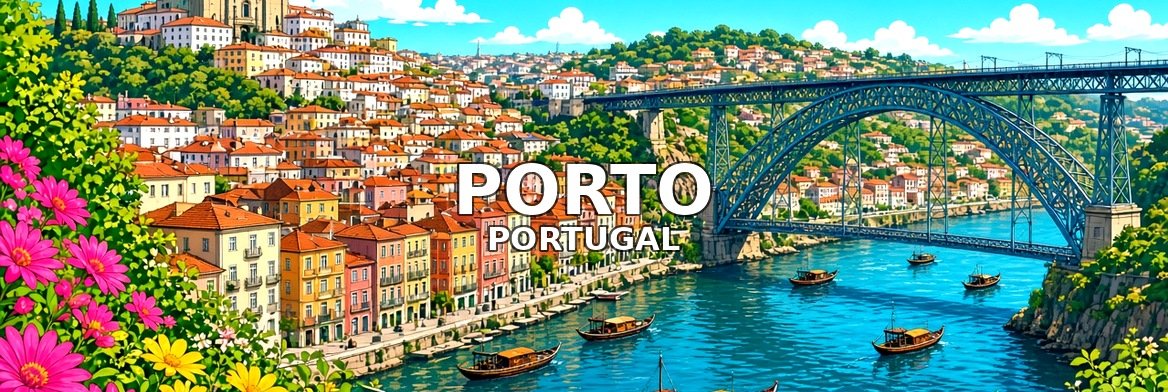
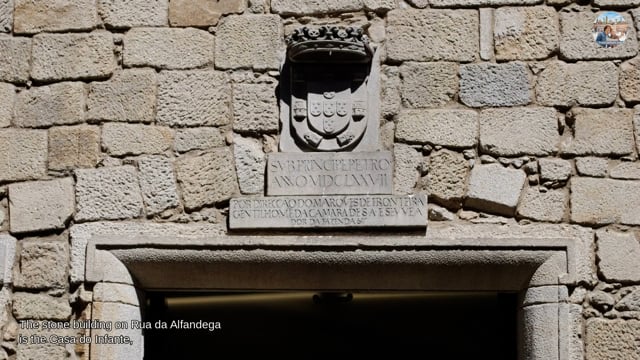
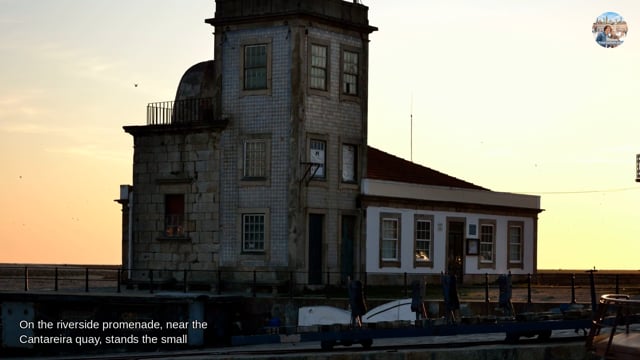
Route 1, the river and the bridge (stops 1 and 2). Start on the Cais da Ribeira, the oldest riverside quarter and part of the UNESCO World Heritage historic centre since 1996. Follow the videos to Praça da Ribeira, the rabelo boats that once carried port wine down the Douro, the Casa do Infante, and the São Francisco Church and the Palácio da Bolsa. Then walk east along the quay to the Dom Luís I Bridge, the double-deck iron arch completed in 1886 to a design by Théophile Seyrig, a former partner of Gustave Eiffel.
Route 2, the uphill centre (stops 3 to 6). Cross the upper deck beside Metro line D and climb to the Clérigos Tower, Nicolau Nasoni's granite bell tower finished in 1763, for the view from the top after more than 200 steps. Walk east to the Sé, Porto's fortress-like cathedral, with its rose window, silver altar and azulejo-lined Gothic cloister. Head west to Livraria Lello, opened in 1906, for the crimson forked staircase, then downhill to São Bento station, opened in 1916, where about 20,000 blue and white tiles by Jorge Colaço fill the atrium.
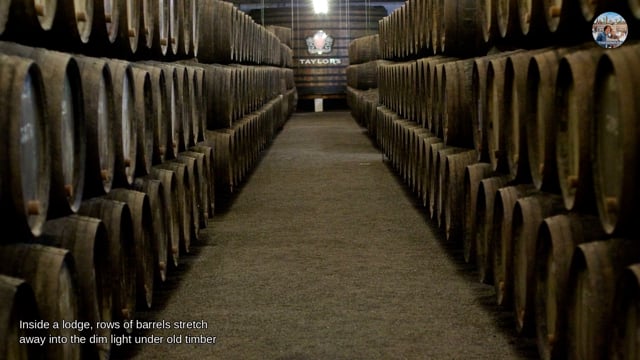
Route 3, the port lodges (stop 7). From São Bento, walk down to the river and over the lower deck of the bridge to Vila Nova de Gaia, where port wine has aged for centuries in cool riverside lodges. The videos cover the Cais de Gaia waterfront, the story of the Douro Valley, a lodge visit, the styles of port and the great port houses, such as Sandeman, Taylor's, Graham's and Cálem. The cable car above the Gaia waterfront and the Serra do Pilar viewpoint give the best views back to Porto.
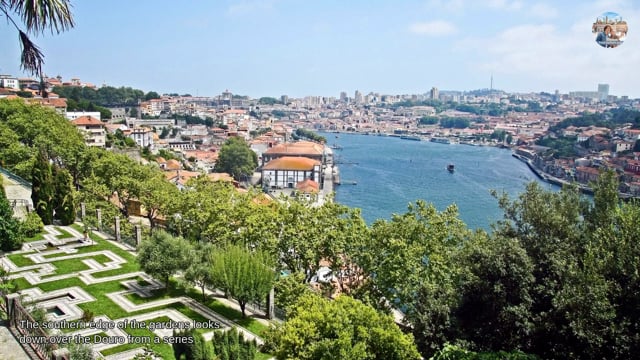
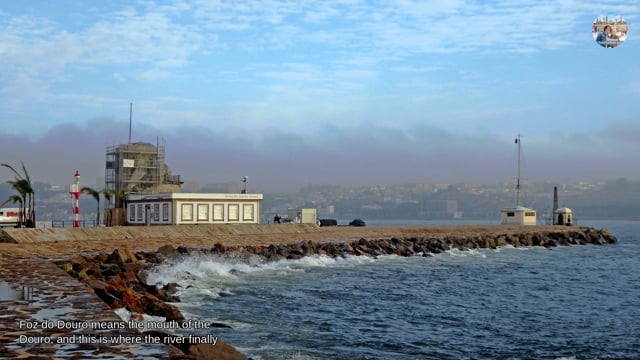
Route 4, gardens and the sea (stops 8 to 10). Head west to the Crystal Palace Gardens, laid out by Émile David on a hill above the Douro, with river viewpoints and peacocks among the trees. Take the historic tram 1 or the bus west along the river to Foz do Douro, where the Douro meets the Atlantic, for the Felgueiras lighthouse and the seafront of Avenida do Brasil. Ride back to the centre to finish at the Bolhão market, reopened in 2022 after a full restoration, and Rua de Santa Catarina.
If you only have one day, Routes 1 and 2 give the best Porto walking tour on foot, because the Ribeira, the bridge, Clérigos, the cathedral, Livraria Lello and São Bento sit within a short, if hilly, walk of each other. A three-day Porto walking tour works well as Routes 1 and 2 on day one, the port lodges on day two, and the gardens, Foz and Bolhão on day three.
For photos, the best free viewpoints on this Porto walking tour are the upper deck of the Dom Luís I Bridge, the Serra do Pilar terrace in Gaia at sunset, the cathedral terrace looking over the rooftops to the river, and the Miradouro da Vitória above the old Jewish quarter. Early mornings on the Ribeira quay, before the cafés open, are the quietest time for pictures.
Best times and transport for a Porto walking tour
Spring and early autumn are the best seasons for a long Porto walking tour, with mild temperatures and fewer crowds than in July and August. Winters are cool and often rainy, so pack a waterproof jacket and shoes with grip for the wet granite. On the night of 23 June, the São João festival fills the city with street parties, grilled sardines and fireworks over the river, a lively but very crowded time to visit.
Livraria Lello needs a timed ticket, which you can put toward the price of a book, so book ahead in busy seasons. The Clérigos tower, the cathedral cloister and the port lodge tours also need tickets. Check current opening times and tour slots on each official website before your Porto walking tour.
Porto's metro, buses and the riverside trams make the hills easier. The rechargeable Andante card covers the metro and most buses, and Metro line D crosses the upper deck of the Dom Luís I Bridge. The Funicular dos Guindais links the Ribeira with the upper town near the bridge, and the cable car in Gaia runs along the waterfront. Tram 1 runs along the river toward Foz, and bus 500 links Foz with the centre.
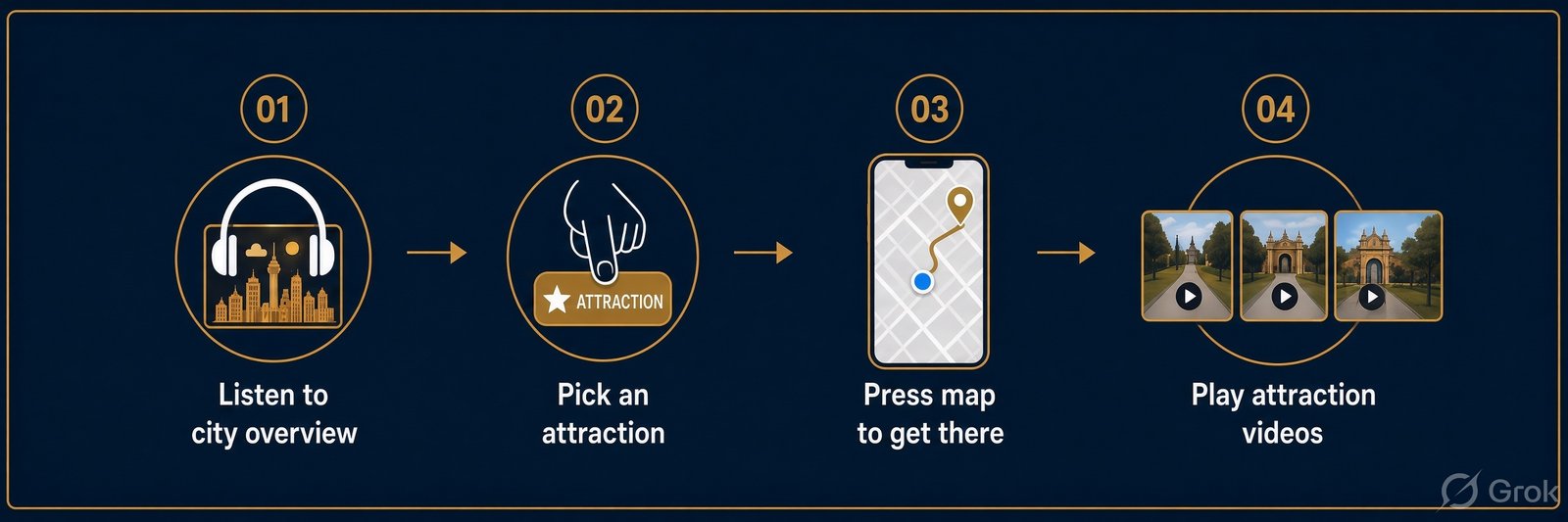
Use the Map button at each stop to check walking time. Distances are short, but the climbs between the river and the upper town are steep, so plan to walk downhill where you can and ride up on your Porto walking tour.
Etiquette, food and safety on your Porto walking tour
Inside the cathedral, the Clérigos Church and São Francisco, dress respectfully, keep your voice low and avoid visiting during Mass. A simple “Bom dia” or “Obrigado” (or “Obrigada”) is always appreciated. At Livraria Lello and São Bento, crowds can be thick, so be patient and step aside to take photos.
For food, try a francesinha, Porto's famous meat sandwich covered in melted cheese and a spicy beer sauce, or a bifana, a simple pork sandwich. Tripas à moda do Porto, a tripe and bean stew, explains why locals are called tripeiros. Pastéis de nata and coffee make a quick break, and the Bolhão market is good for fruit, cheese and cured meats for a picnic. In the port lodges, tastings are for adults only. A small tip for good service is welcome on a Porto walking tour.
Porto is a safe city, but pickpockets work the busiest spots, including the Ribeira, São Bento, tram 1 and the queues at Livraria Lello. Keep bags closed and your phone in a front pocket. On the bridge's upper deck, stay out of the metro track area and use the footpath only.
Wear comfortable shoes with good grip, because the granite cobbles are steep and slippery when wet. Carry water in summer and a light layer in the evening, when the Atlantic breeze cools the river and the coast at Foz.
Free sights, tickets and accessibility on a Porto walking tour
Several stops cost nothing at all. The Ribeira, both decks of the Dom Luís I Bridge, the cathedral terrace, the São Bento atrium, the Crystal Palace Gardens, the seafront at Foz do Douro and the Bolhão market are free to walk or enter, and the Gaia waterfront is free to stroll. The Clérigos tower, the cathedral cloister, Livraria Lello and the port lodge tours need tickets. That is why this free walking tour Porto visitors can start at any hour works well: the 50 videos are free, and you only pay for what you choose to enter.
If you plan to ride a lot and visit several paid sights, compare the official city pass with single tickets, and check for reduced prices for children, students and seniors. Prices and opening times change, so always confirm them on each official website before your Porto walking tour.
For accessibility, the Ribeira quay, the Gaia waterfront, the lower deck of the bridge and the Foz seafront are fairly flat, which makes them the easiest stops for wheelchair users and strollers. The metro is step-free, but the old town is very hilly and cobbled, and the Clérigos tower and Livraria Lello's staircase involve many steps. Taxis and ride-hailing apps help with the climbs between stops.
When you finish this Porto walking tour, carry on with more free walks on the Iberian Peninsula: the Lisbon walking tour, an easy train ride south, the Madrid walking tour, the Seville walking tour and the Barcelona walking tour. You can browse every city on the Free City Tours home page.
Porto walking tour FAQ
Is this Porto walking tour really free?
Yes. All 50 video stops on this Porto walking tour are free to watch, and the Ribeira, the Dom Luís I Bridge, the São Bento atrium, the Crystal Palace Gardens, Foz do Douro and the Bolhão market are free to visit. You only pay for the sights you choose to enter, such as the Clérigos tower, Livraria Lello or a port lodge tour. It is a genuine free walking tour Porto visitors can follow at their own pace.
How long does the Porto walking tour take?
Allow three days to see everything properly: one for the Ribeira, the bridge and the uphill centre, one for the port lodges in Gaia, and one for the Crystal Palace Gardens, Foz do Douro and the Bolhão market. With one day, follow Routes 1 and 2.
Where does the Porto walking tour start?
It starts on the Cais da Ribeira by the Douro, with the Cais da Ribeira Quay video. You can join at any stop, because each one has its own Map button and five short videos.
Is the Porto walking tour suitable for children and wheelchair users?
Yes, with some planning. Children enjoy the bridge, the cable car, the trams and the peacocks in the Crystal Palace Gardens. Wheelchair users will find the Ribeira quay, the Gaia waterfront and Foz the easiest stops, and the metro is step-free, while the old town is steep and cobbled.
Do I need an app or mobile data for the Porto walking tour?
You don't need an app. Open this page in your phone's browser and play the videos as you walk. The videos stream, so use mobile data or café Wi-Fi, or watch them at your hotel the night before.