How to tour Krakow

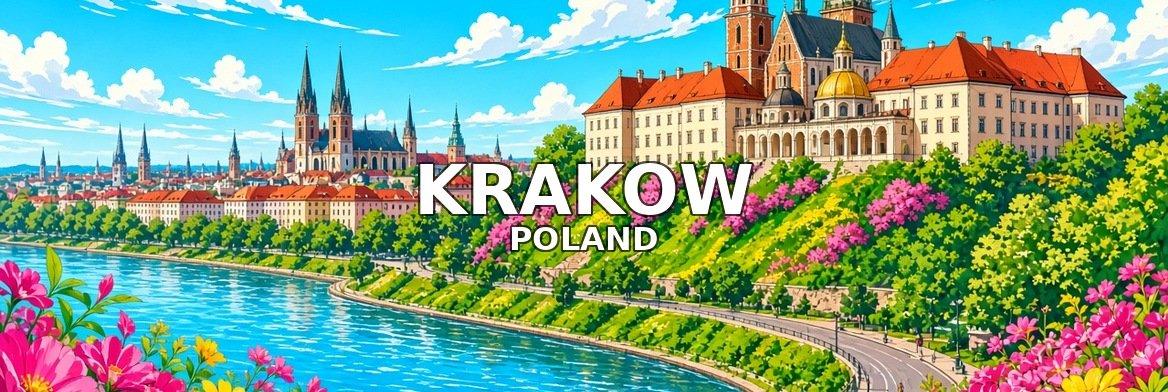
Krakow is the old capital of Poland. Wawel Castle sits on the hill. The Main Market Square and St. Mary’s Basilica mark the centre. Auschwitz-Birkenau is the memorial outside the city.
Kazimierz and Schindler’s Factory tell the Jewish story. Planty Park rings the old town. The Cloth Hall and Rynek Underground sit on the square. Tyniec Abbey closes the walk by the river.
On this walk you start at Wawel, move through the square and the memorials, and end at the abbey.
1. Wawel Castle
Wawel Hill, above the Vistula · start here · 2–3 hours
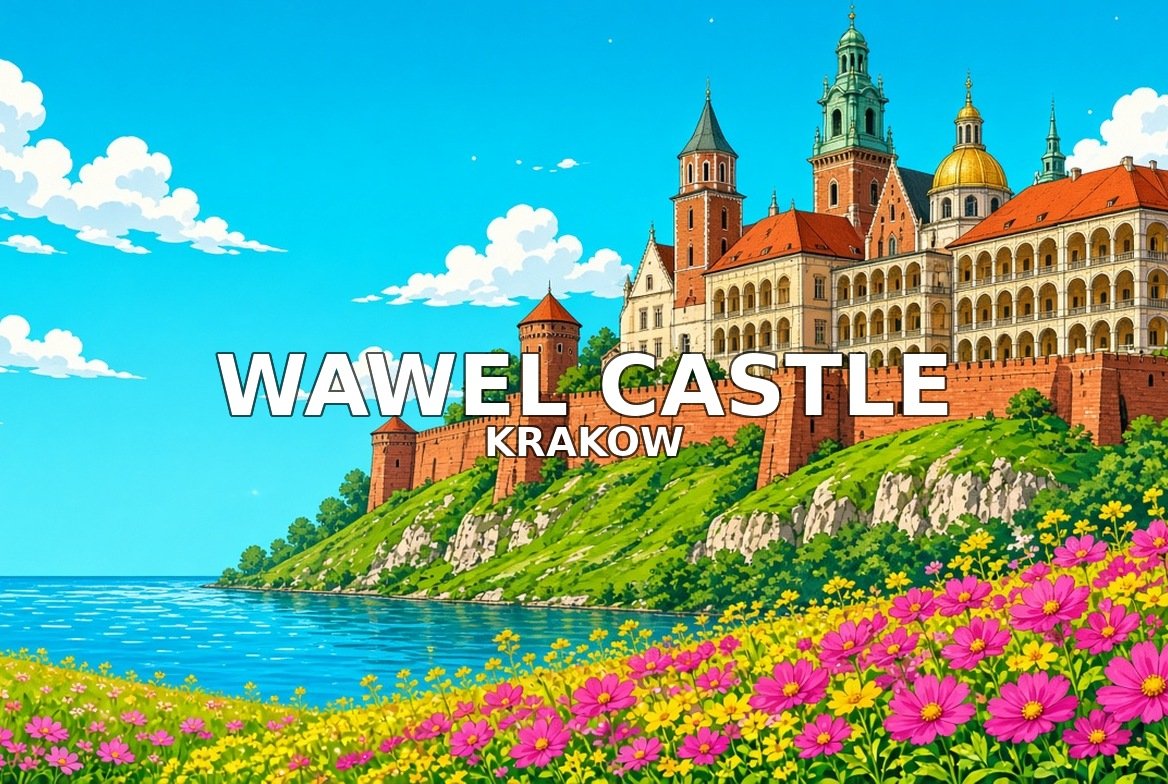
Wawel Hill was the seat of Polish kings for more than five hundred years. The Royal Castle has a Renaissance arcaded courtyard, built for King Sigismund I the Old in the early 1500s. Next to it stands Wawel Cathedral, where most Polish kings were crowned and buried. Its Sigismund Tower holds the great Sigismund Bell, cast in 1520. The grounds are free. The state rooms, cathedral towers and Dragon’s Den need tickets. Walk this order. Vistula embankment, cathedral forecourt, Sigismund Bell Tower, arcaded courtyard, down through the Dragon’s Den to the river, then north up Grodzka Street.
2. Main Market Square
From stop 1 · 15 minutes north along Grodzka Street · 45–60 minutes
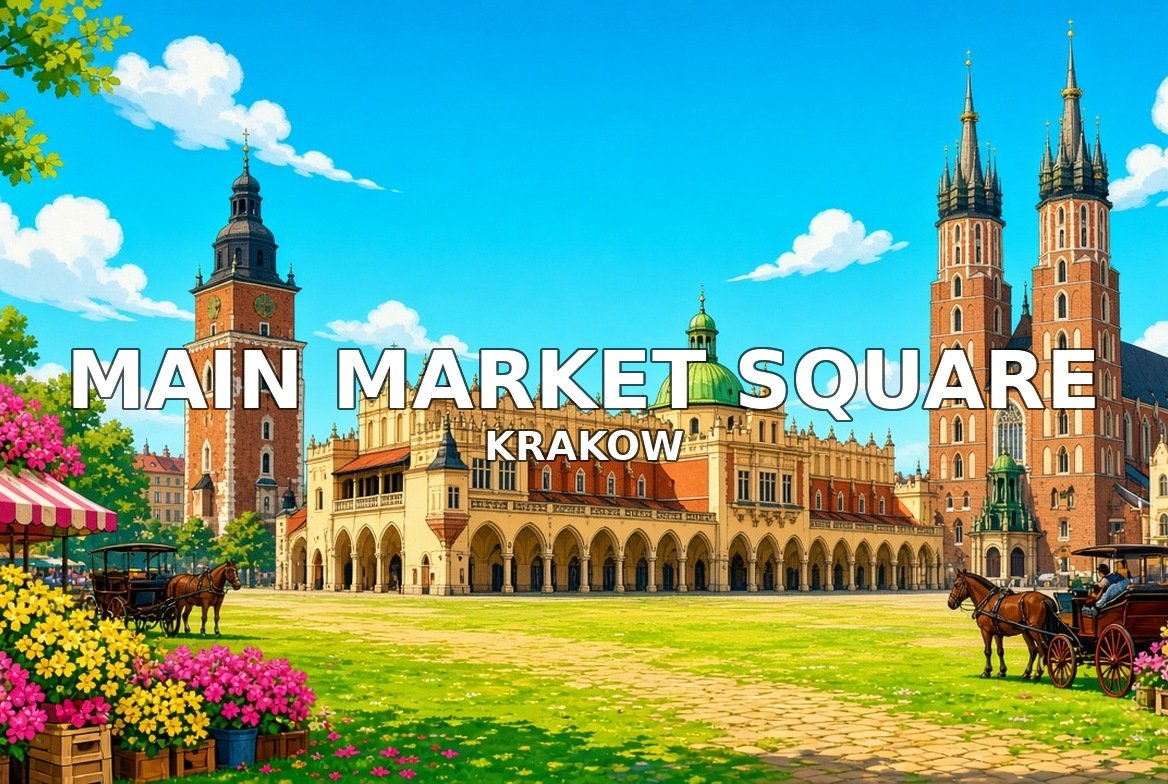
Rynek Główny was laid out in 1257, when Krakow received its town charter. At about 200 metres on each side, it is one of the largest medieval town squares in Europe. The Town Hall Tower is the only part of the old town hall still standing. The monument to Adam Mickiewicz was unveiled in 1898. Free to walk. Walk this order. Town Hall Tower, Mickiewicz Monument, St Adalbert’s Church, the palace fronts, Floriańska Street, back to the north east corner for St Mary’s.

3. St. Mary's Basilica
From stop 2 · north east corner of the square · 30–45 minutes
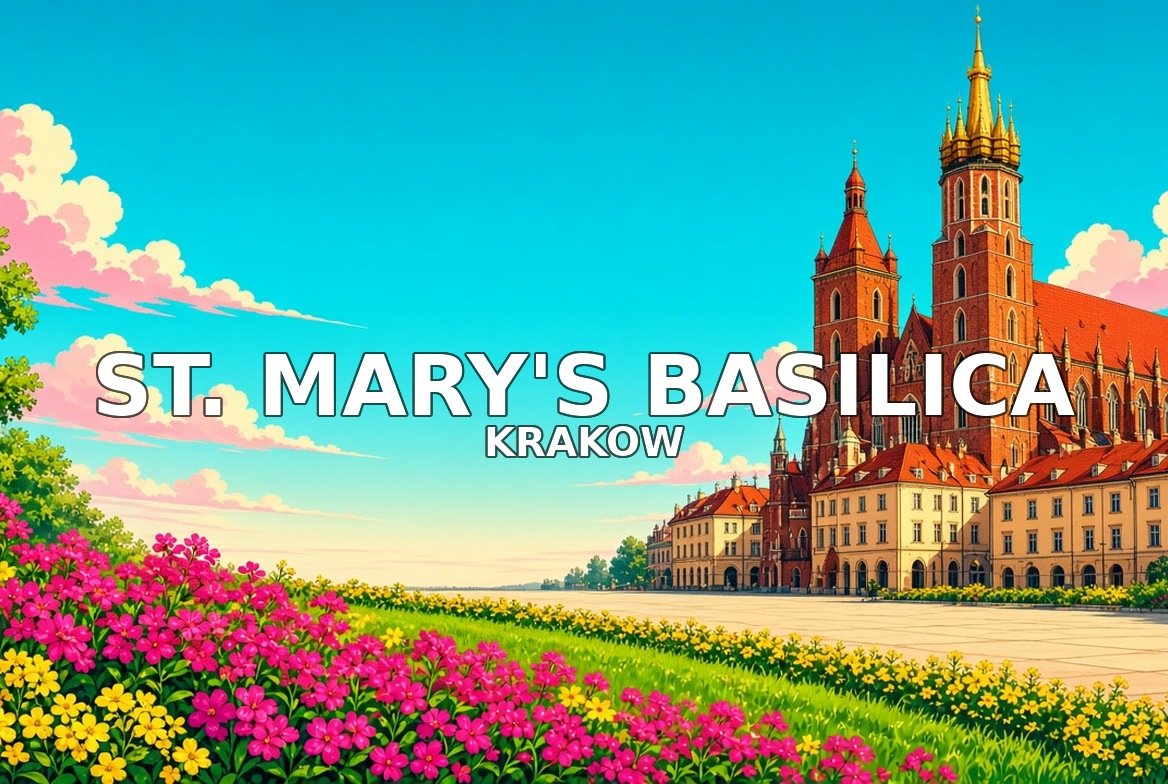
St Mary’s Basilica is a brick Gothic church rebuilt in the 14th century. Its two towers are different heights. Every hour a trumpeter plays the Hejnał from the taller tower, and the tune stops in the middle. Inside is the altarpiece carved by Veit Stoss between 1477 and 1489. Visitors need a ticket and use the side entrance. Walk this order. Western facade, trumpeter’s tower, Veit Stoss altarpiece, the painted nave, out to Mariacki Square.
4. Auschwitz Birkenau
From stop 3 · day trip to Oświęcim, about 70 km west · 3.5–4 hours
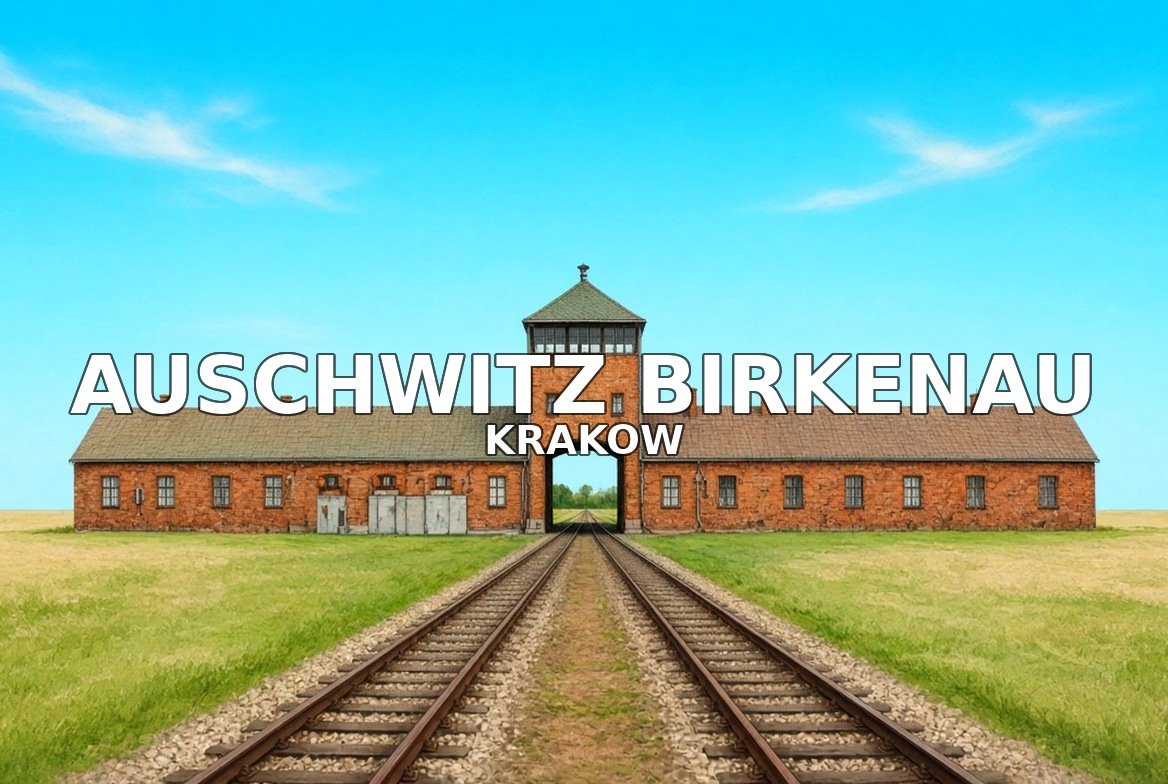
Auschwitz Birkenau was the largest German Nazi concentration and extermination camp. About 1.1 million people were murdered here, most of them Jews. It is a memorial and museum, and a UNESCO World Heritage Site since 1979. Auschwitz I has the gate with the words Arbeit macht frei. Birkenau, about 3 km away, is the larger camp with the railway gatehouse. Entry is free, but book a timed pass on the museum website. Walk this order. Main camp gate, Block 11 and its yard, the exhibition blocks, shuttle to the Birkenau gatehouse, railway to the International Monument, return to Krakow.
5. Kazimierz
From stop 4 · back in Krakow, 20 minutes south of the square · 60–90 minutes
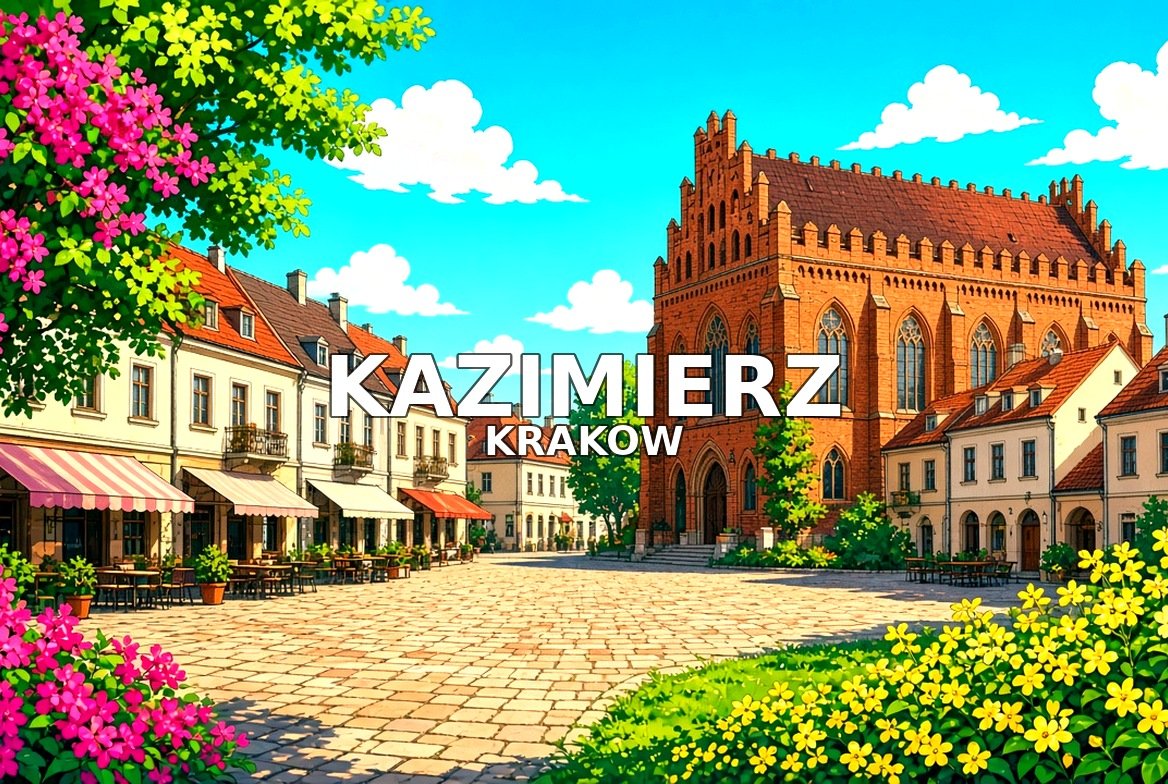
Kazimierz was founded in 1335 by King Casimir III as a separate town beside Krakow. For centuries it was a centre of Jewish life in Poland. Szeroka Street is lined with old synagogues. The Remuh Synagogue dates from the 16th century. Plac Nowy is the round market hall. Free to walk. Walk this order. Szeroka Street, Remuh Synagogue, Plac Nowy, Corpus Christi Basilica, Skałka Church, then east over the Bernatek Footbridge.
6. Schindler's Factory
From stop 5 · 15 minutes across the river to Zabłocie · 60–90 minutes
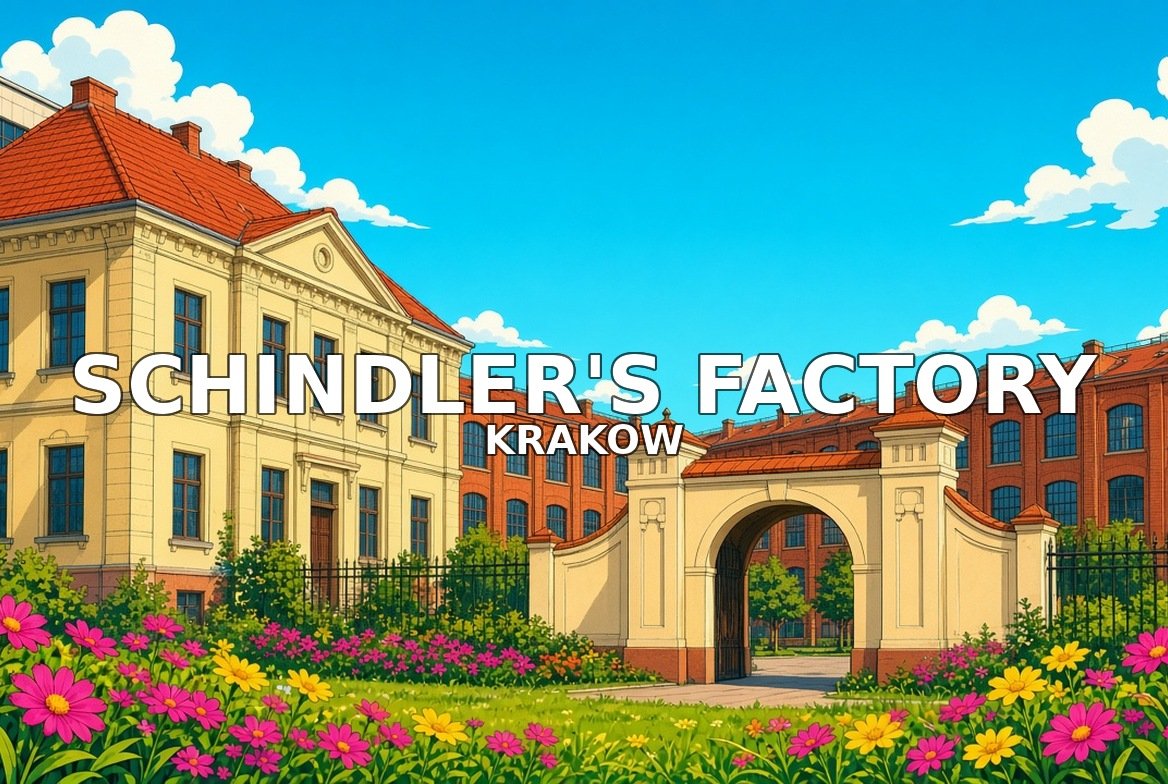
Oskar Schindler ran an enamelware factory at Lipowa Street 4. During the war he protected about 1,200 Jewish workers here. The building now holds the Museum of Krakow exhibition Krakow under Nazi Occupation 1939–1945. Tickets are timed. Ghetto Heroes Square has a memorial of empty chairs. Walk this order. Lipowa Street gate, the occupation exhibition, Ghetto Heroes Square, Pharmacy Under the Eagle, Bernatek Footbridge, tram back to the Old Town.
7. Planty Park
From stop 6 · 20 minutes by tram to the Barbican · 45–60 minutes
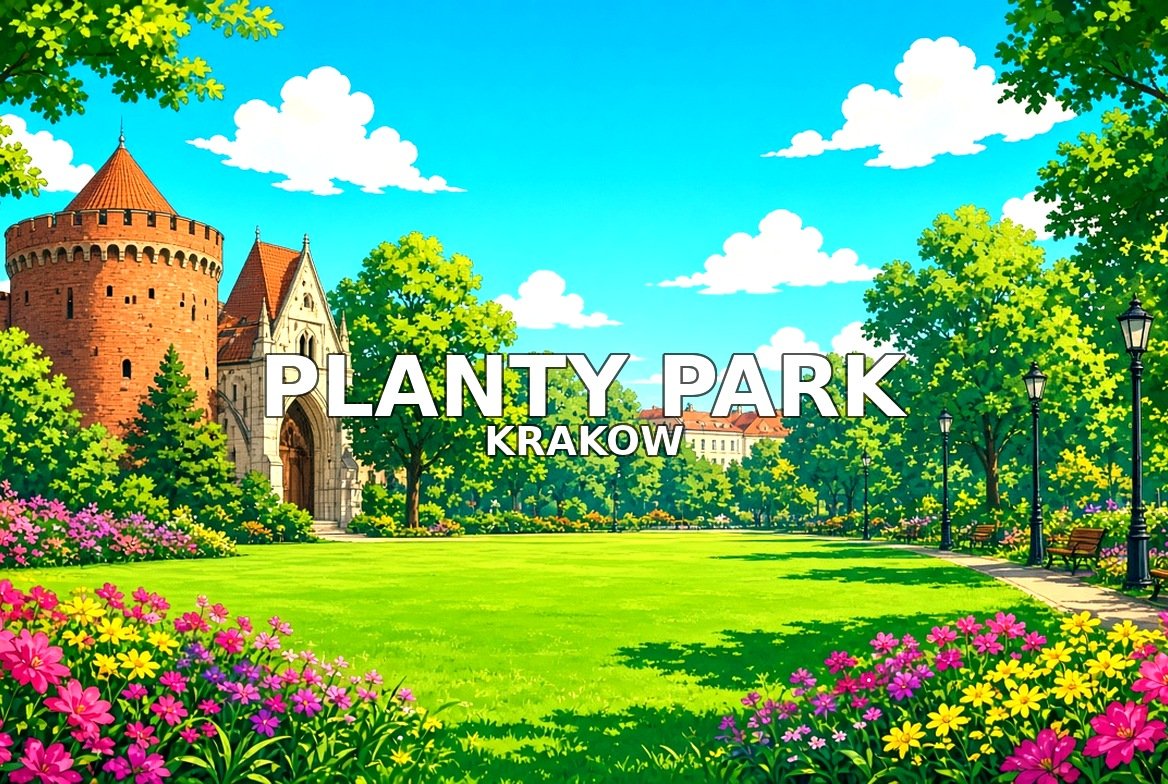
The Planty is a ring of gardens about 4 km long that circles the Old Town, laid out between 1822 and 1830 where the walls and moat used to be. A short stretch of wall still stands by the Florian Gate, with the round brick Barbican of 1498 and 1499. Free. Walk this order. Barbican, Florian Gate and the city walls, Słowacki Theatre lawns, university gardens, path below Wawel, then up into the square.
8. Cloth Hall
From stop 7 · 5 minutes to the centre of the square · 30–45 minutes
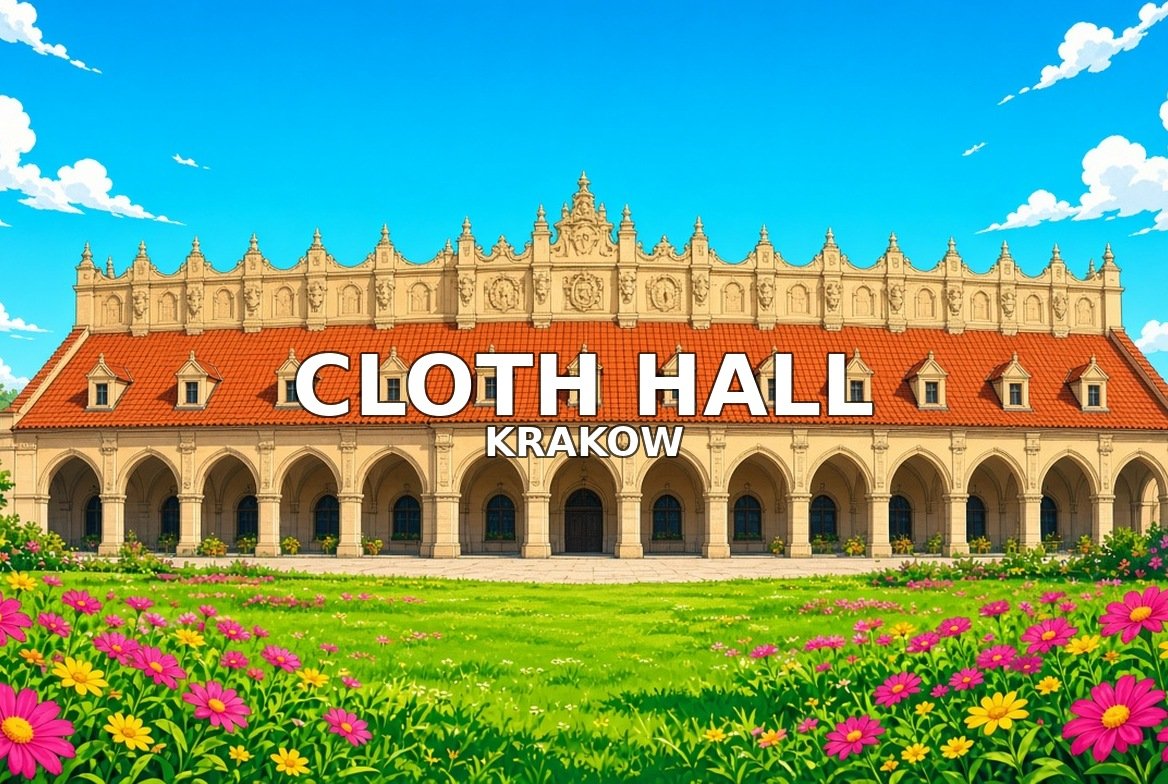
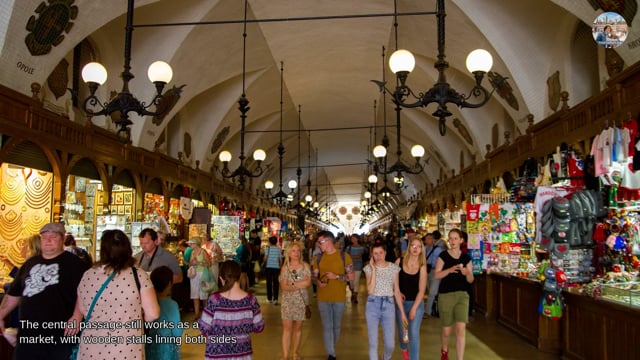
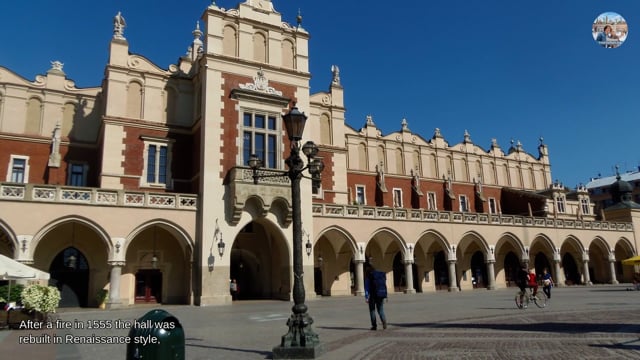
The Cloth Hall, Sukiennice, stands in the middle of the Main Market Square. After a fire in 1555 it was rebuilt with a Renaissance attic. The neo-Gothic arcades were added between 1875 and 1879. The central hall is still a market. Upstairs is the Gallery of 19th Century Polish Art. The market hall is free. The gallery needs a ticket. Walk this order. Neo-Gothic arcades, central market hall, Renaissance attic, gallery, Noworolski café, then the underground entrance beside the hall.
9. Rynek Underground Museum
From stop 8 · entrance on the north side of the Cloth Hall · 60–90 minutes
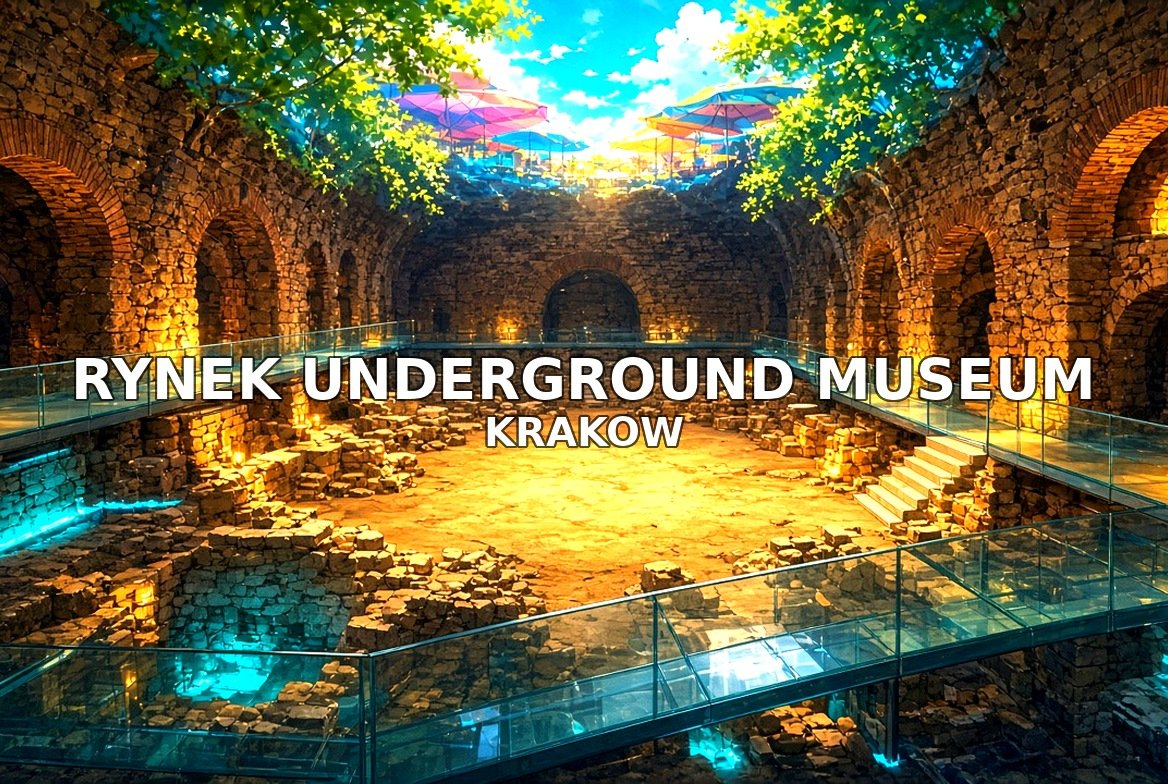
Rynek Underground lies about 4 metres under the Main Market Square. It opened in 2010. Glass walkways pass over medieval roads, merchant stalls and an 11th century cemetery. Entry is by timed ticket. Walk this order. Museum entrance, medieval roadways, merchant stalls, the early cemetery, city model hall, back up to the square.
10. Tyniec Abbey
From stop 9 · bus 112 from Rondo Grunwaldzkie, about 30 minutes · 60–90 minutes
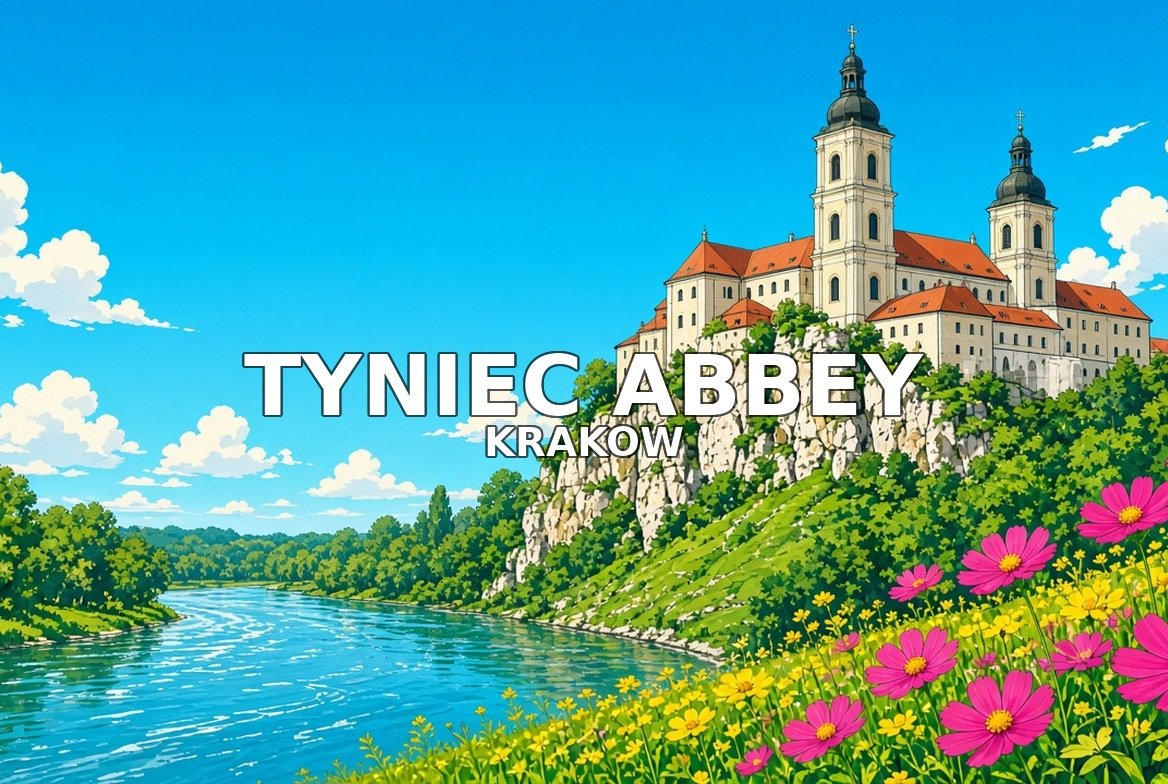
Tyniec Abbey is a Benedictine monastery on a limestone cliff above the Vistula, about 12 km south west of central Krakow. It was founded in 1044 and monks still live here. The grounds are free. The museum needs a ticket. Walk this order. Vistula riverbank, abbey gatehouse, Church of Saints Peter and Paul, monastery courtyard, the cliff top view. This is the end of the walk.